-
Posted by Daily Cargo News
- |
-
20 Aug, 2026
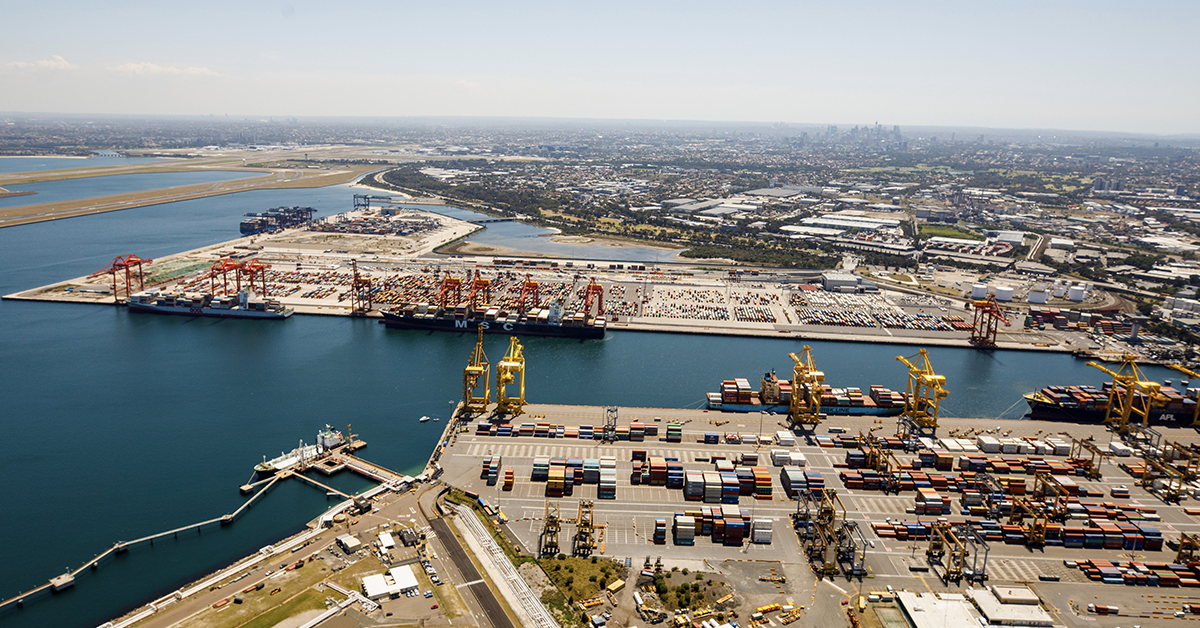
A RECORD 504,000 TEUs was moved by rail directly through Port Botany’s container stevedore terminals, achieving a 19% rail mode share in financial year 2026, and becoming the first port in Australia to reach the half million mark.
Port Botany is the only port in Australia to have on-dock port rail at each of its container terminals.
These terminals are directly connected to a network of metropolitan and interstate intermodal terminals, including by dedicated freight only rail.
This unparalleled rail network sees about 90 trains a week being processed at the port.
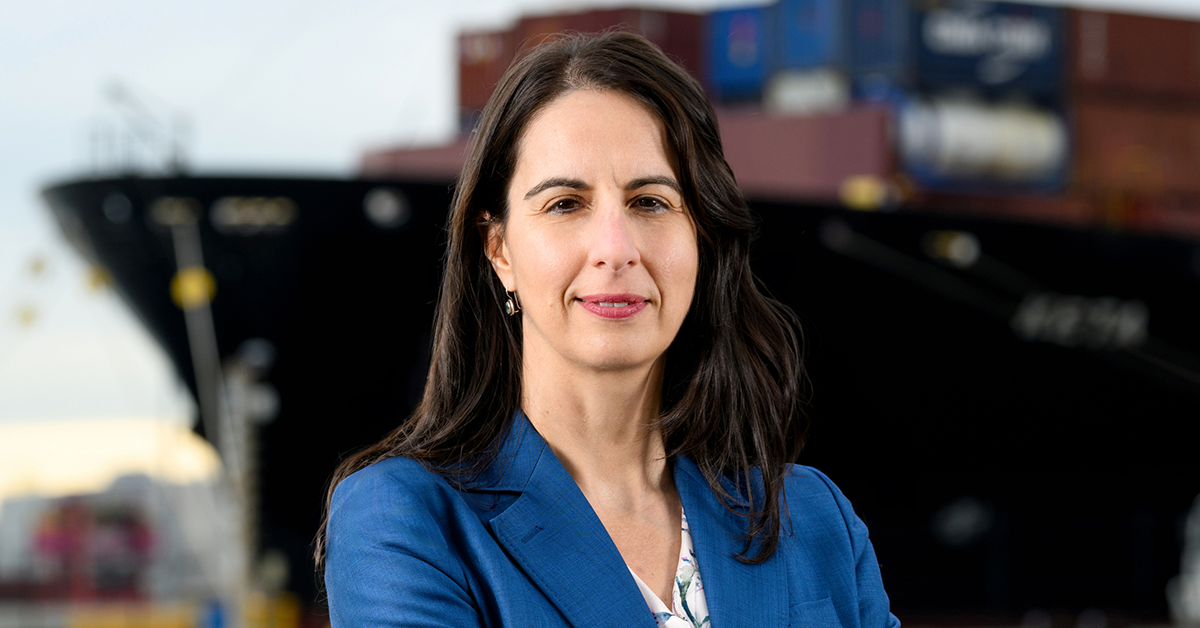
NSW Ports chief executive Marika Calfas said the port’s established “dedicated freight rail connection to the vast Sydney metropolitan intermodal network has seen container volumes on rail continually grow.
“The evolution of this intermodal network has been occurring progressively over the past 20 years, with the most significant progress in the past five years through the combined effort of intermodal terminal operators, rail operators, stevedores, NSW Ports and ARTC,” Ms Calfas said.
“NSW Ports’ On-Dock Rail Investment Program has, and will continue, to support the growth of containers to and from the port by rail. Through this program, our long-term goal is to move 3 million TEU by rail.
“Increasing the use of rail is a core part of our strategy and we continue to invest in the ports’ capabilities to sustainably transport NSW’s growing freight task,” Ms Calfas said.
Phase 2 of the On-Dock Rail Investment Program at Port Botany is in partnership with DP World. The $400 million co-investment program is designed to increase the port’s total annual rail capacity.
Phase 2 is expected to create a one million TEU per year capacity on-dock rail terminal, adding to the 1 million TEU per annum rail capacity delivered in Phase 1.
Phase 1 at Patrick Terminals began operations in late 2023.

Trade Volume Report for Financial Year 2026:
For overall volume throughput, Port Botany handled 2.95 million TEU, a 6% increase on the previous financial year.
Port Botany's bulk liquid trade delivered strong growth in FY26, with fuel volumes reaching over 5.3 billion litres, an 8% increase on the previous year. This reinforces
Port Botany's position as a critical hub for the supply of fuel throughout the state.
At Port Kembla, motor vehicles were an area of significant activity, with the port handling about 390,000 vehicles during the financial year. This is said to reinforce the crucial role Port Kembla plays as the import hub for NSW’s motor vehicles.
Port Kembla also continued to play a vital role in supporting NSW’s construction sector, handling 1.1 million tonnes of cement imports in FY26. The volume of cement processed through Port Kembla is directly linked with building and infrastructure activity across the state.
Ms Calfas said it had been “a year of solid trade volumes achieved across Port Botany and Port Kembla”.
“Our ports and intermodal terminals continue to play a critical role in keeping goods moving for businesses and consumers across New South Wales,” she said.