-
Posted by Paul Zalai
- |
-
24 Apr, 2026
ALL sectors of the logistics industry are reporting difficulties attracting and retaining staff in an increasingly competitive labour market. These pressures extend across the entire supply chain from warehouse operators and transport drivers through to experienced trade and compliance professionals.
Among the most critical of these professions is that of the licensed customs broker.
Customs brokers sit at the intersection of trade facilitation and border protection. They are responsible for ensuring that goods entering and leaving Australia comply with complex customs, biosecurity, trade sanctions and revenue laws. Their role is not administrative in nature, it is statutory. Customs brokers carry personal accountability under the Customs Act 1901 and associated licensing determinations.
When there is a shortage of experienced customs brokers, the consequences extend beyond business inconvenience. Delays in cargo clearance, increased compliance risk, revenue leakage, biosecurity safeguards and reduced capacity to detect illicit trade are all potential outcomes.
In short, customs brokerage capability is directly linked to national supply chain resilience.
A Structural Workforce Challenge
Australia is now facing a structural shortage of licensed customs brokers. This is not a short-term recruitment cycle; it is a demographic and regulatory issue.
The workforce is ageing. Nearly half of Australia’s licensed brokers are aged 50 or older, while fewer than 11 per cent are under 40. Year-on-year data shows declining participation in the 20–29 and 30–39 age brackets, with those cohorts falling by more than 12 per cent. Without targeted succession planning and new entrant pathways, the profession faces a widening capability gap over the next decade.
Geographic concentration presents another vulnerability. Approximately 76 per cent of licensed customs brokers are in New South Wales and Victoria, leaving limited depth in regional and smaller jurisdictions. The profession also remains heavily male-dominated, with women representing only 26 per cent of licensed brokers highlighting an untapped recruitment opportunity.
At the same time, regulatory complexity continues to increase. Customs brokers must navigate evolving biosecurity settings, trade sanctions, valuation rules, free trade agreement compliance requirements and revenue collection obligations. Personal liability settings remain significant, which can discourage new entrants considering the risk profile of the profession.
These domestic pressures mirror trends in other mature trading economies. Reports from the United States and United Kingdom indicate similar shortages emerging where regulatory burdens have intensified.
Trade Growth Will Amplify the Problem
The timing of this workforce contraction is particularly concerning.
The Australian Border Force has forecast trade volumes to grow by approximately 50 per cent by 2032, coinciding with the Brisbane Olympic Games.
Globally, there is also a trend toward reviewing or eliminating de minimis arrangements, which would result in more e-commerce consignments being subject to formal customs reporting and revenue collection processes.
In other words, compliance demand is increasing at the same time that experienced trade professionals are declining.

AI as an Enabler — Not a Replacement
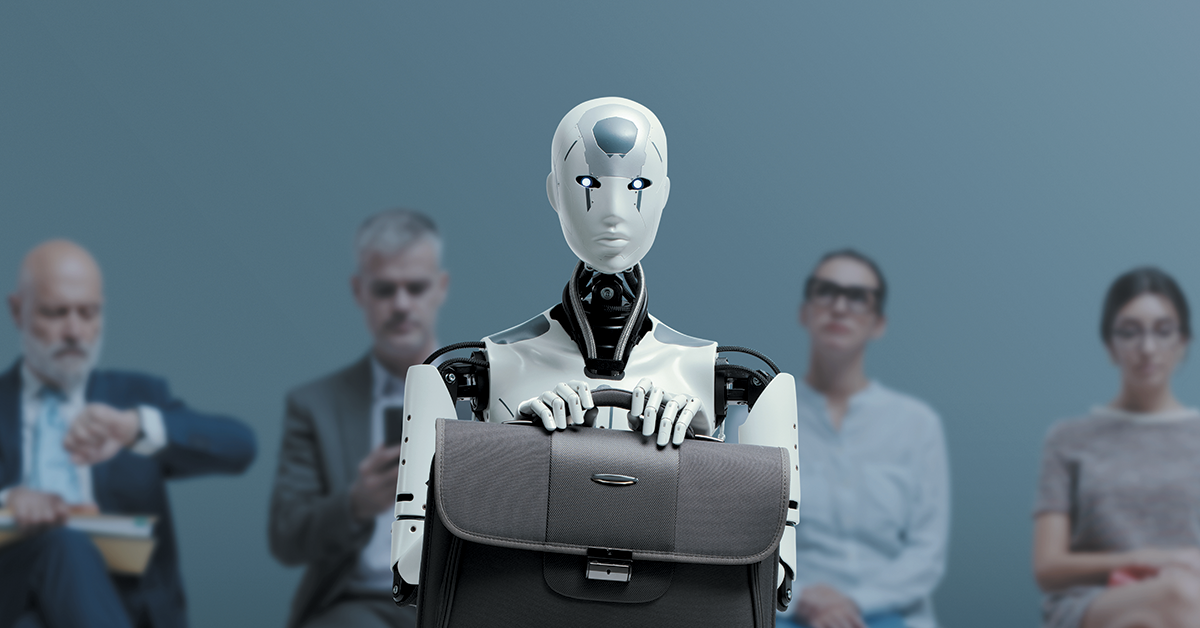
Against this backdrop, artificial intelligence is emerging as a practical tool to support, but not replace, licensed customs brokers.
AI technologies can automate data extraction from commercial invoices, packing lists and supporting documents. They can identify inconsistencies or missing information prior to lodgement, reducing rework and delays. Machine learning models can assist in tariff classification by referencing historical rulings and patterns. Predictive analytics can support risk assessment and anomaly detection. Digital systems can also enhance record-keeping and audit readiness.
These capabilities offer meaningful productivity gains in an environment of constrained labour supply.
However, AI has clear limitations.
It cannot interpret legislative intent, apply contextual judgement to complex fact patterns, or assume statutory liability. AI systems are only as reliable as the data on which they are trained. Poor governance can lead to embedded errors, bias or inappropriate reliance on automated outputs. Privacy and data security risks must also be carefully managed when handling sensitive client information.
There is also the danger of “automation complacency” where users place unwarranted confidence in system-generated advice without adequate oversight.
Under Australian law, statutory responsibility remains firmly with the licensed customs broker. AI may assist in workflows, but it does not displace legal accountability under the Customs Act 1901 or associated licensing determinations.
The opportunity, therefore, is not substitution but augmentation. AI can function as an intelligent assistant, scaling the capacity of a limited workforce, reducing manual administrative burden and enabling customs brokers to focus on higher-value advisory and compliance functions.
In this model, customs brokers evolve from transaction processors to strategic compliance advisers strengthening both trade facilitation and regulatory integrity.
Governance, Ethics and Professional Responsibility
The integration of AI into customs brokerage operations must be accompanied by strong governance settings.
Transparency in AI-assisted processes, maintenance of manual oversight, robust audit trails, and clear disclosure where appropriate are essential. Customs brokers must ensure confidentiality and data protection standards are maintained. Decision-making processes should avoid “black box” outcomes that cannot be explained or justified if reviewed by regulators.
Professional education will also be critical. Continuous professional development must evolve to address AI literacy, risk management and ethical obligations.
Recognising this need, Freight & Trade Alliance (FTA) will deliver formal Continuing Professional Development (CPD) programs during May and June 2026 focused specifically on the opportunities, limitations, statutory obligations and ethical considerations associated with AI in customs brokerage.
The objective is clear: to ensure that technological innovation strengthens rather than undermines compliance integrity.
A Defining Decade
Australia is entering a defining decade for trade growth. The challenge is not simply moving more goods; it is maintaining compliance, revenue integrity and border protection in an environment of expanding volumes and constrained human capital.
Licensed customs brokers remain indispensable to that task. Artificial intelligence offers a powerful tool to enhance capacity, but it must be deployed responsibly and under professional oversight.
The solution to the skills shortage will not be technology alone. It will require coordinated efforts in recruitment meeting the needs of evolving roles, training, diversity initiatives and regulatory reform. However, if harnessed appropriately, AI can help bridge the gap supporting the profession while safeguarding Australia’s trade system.
This article appeared in the April | May 2026 edition of DCN Magazine