
OPINION: Preparing for takeoff
-
Posted by Freight & Trade Alliance
- |
-
09 Mar, 2026
AUSTRALIA'S air cargo sector is on the cusp of a significant transformation. With Western Sydney International (Nancy-Bird Walton) Airport set to open later this year, alongside ongoing developments at Sydney, Melbourne, Brisbane and Perth, the freight landscape is entering a new era. These changes are not just about capacity; they go to the heart of operational efficiency, regulatory engagement and how airports, airlines and freight operators work together to support Australia’s growing economy.
As part of our advocacy work at the Freight and Trade Alliance (FTA) and the Australian Peak Shippers Association (APSA), we recently provided submissions on several airport draft master plans, reflecting the feedback and operational realities shared by our members.
This process has provided valuable insight into how airport planning is evolving. Airports are no longer simply points of departure and arrival; they are increasingly being designed as integrated logistics hubs, connecting air, road and sea freight, while balancing growth, community expectations, environmental requirements and supply chain resilience.
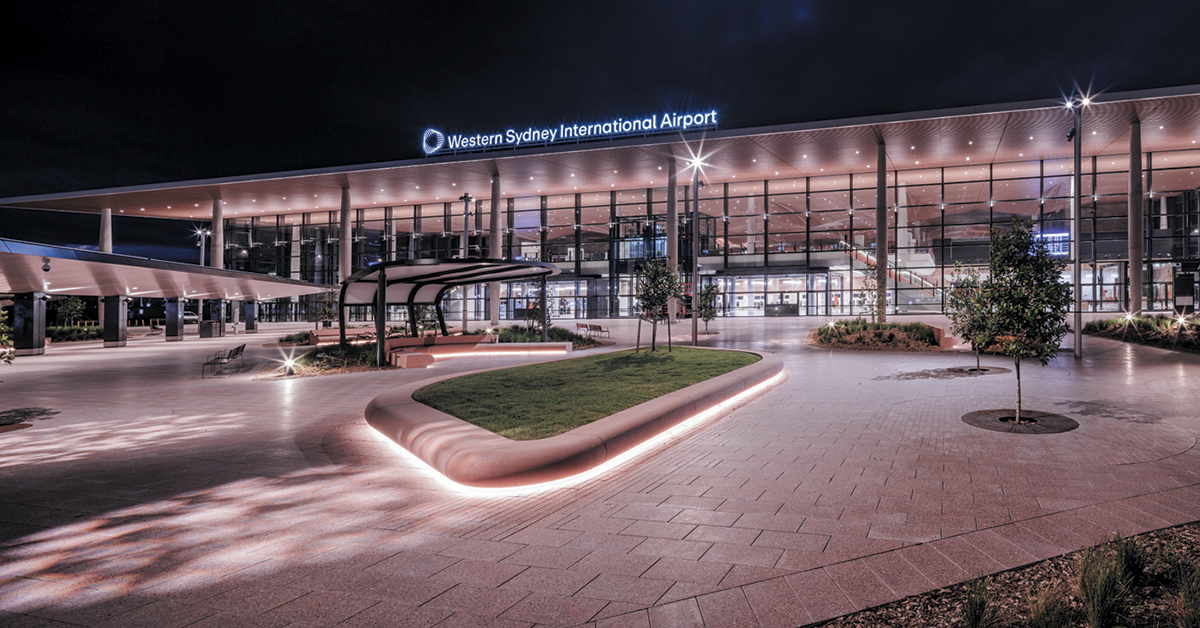
Western Sydney International Airport represents a seismic shift in Australia’s air cargo network. Strategically located to service Western Sydney’s rapidly expanding population and industrial zones, it will provide critical additional capacity to complement Sydney Kingsford Smith Airport. For cargo operators, the new airport offers modern infrastructure, improved access for widebody freighters, streamlined freight handling and opportunities for overnight and express operations that are constrained at existing curfew-limited airports.
However, the master plan has also raised important questions for industry. How will the airport integrate with surrounding road and future rail freight networks? What operating parameters will apply and how will noise and environmental impacts be managed? And critically, how will cargo operators transition to a new operational hub while maintaining service reliability for customers?
In our submissions, we consistently emphasised that successful air cargo operations depend on predictability, connectivity and efficiency. Without these fundamentals, even the most advanced infrastructure will struggle to deliver meaningful value to operators or the broader supply chain.
While Western Sydney International has captured much of the industry’s attention, existing airports are also responding to changing freight dynamics. Sydney, Melbourne, Brisbane and Perth are all reviewing their master plans to accommodate growth in e-commerce, pharmaceuticals and perishables, cargo types that demand speed, reliability and temperature-controlled handling.
At Brisbane Airport, for example, our feedback highlighted the importance of enabling off-peak freight operations to reduce congestion and improve efficiency. Perth Airport’s draft master plan raised questions around road access, freight precinct design and the interface between landside and airside operations. These are not minor considerations.
Airport planning is about far more than expanding tarmac or warehouse space; it is about ensuring freight can move safely, quickly and cost-effectively.
A recurring theme across all submissions was the need for early, meaningful and ongoing consultation between airports, freight operators, airlines and government regulators. Airports are complex ecosystems and their long-term success depends on collaboration. Draft master plans provide a vital opportunity for industry to share operational insights, highlight constraints and ensure growth strategies align with real-world supply chain needs.
This includes practical issues such as freight handling capacity, truck access and scheduling, curfew management, night operations and technology adoption, from automated cargo handling to enhanced security and digital tracking systems. Embedding these considerations into long-term planning is essential if Australia is to remain competitive regionally and globally.
Broader industry trends continue to shape the landscape. E-commerce growth is driving demand for fast, reliable air freight. Temperature-sensitive cargo, particularly pharmaceuticals and fresh produce, is becoming an increasingly significant component of air cargo volumes. Technology is transforming operations through automation, digitalisation and data-driven decision-making, while sustainability is now central to airport planning, with a strong focus on energy efficiency and greener logistics. Recent global disruptions have also reinforced the importance of resilient and flexible supply chains.
Against this backdrop, these issues will be a key focus of discussion at the 2026 Australia & New Zealand Shipping & Logistics Conference, proudly hosted by FTA, APSA and the New Zealand Cargo Owners Council (NZCOC). The inaugural conference will take place on 27–28 August 2026 at the Sheraton Grand Sydney Hyde Park, bringing together exporters, importers, freight forwarders, customs brokers, ports, airports, shipping lines, airlines, transport operators and government stakeholders from across the region to address shared challenges and opportunities.
The coming years will see Australia’s air cargo system evolve into a more interconnected, multi-modal network, with Western Sydney International acting as a new gateway alongside established hubs. From the FTA/APSA perspective, it is clear the industry is at a pivotal moment. Thoughtful planning, early engagement and a strong focus on connectivity, efficiency and sustainability will determine the success of Australia’s air cargo network for decades to come.
This article appeared in the February | March 2026 edition of DCN Magazine