
-
Posted by Allen Newton
- |
-
22 Jun, 2026
DCN updated story — 22 June 2026
BHP WILL meet with the Electrical Trades Union in the Pilbara on Tuesday (23/6) in what is shaping as the most consequential discussion yet in a rapidly escalating industrial dispute that now involves three unions and the prospect of the first protected strike at Port Hedland in more than 30 years.
The meeting comes as the Australian Workers Union moves to join the ETU and the Australian Manufacturing Workers Union in securing protected‑action rights. If the AWU’s ballot is approved by the Fair Work Commission, all three unions will be legally able to shut down BHP’s port operations with five days’ notice.
The AWU’s application covers more than 100 production operators who are part of the Western Mine Workers Alliance, a joint body of the AWU and the Mining and Energy Union. It follows overwhelming “yes” votes from ETU and AMWU members earlier this month, authorising stoppages ranging from 30 minutes to 24 hours.
AWU acting WA secretary Craig Beveridge said workers had reached the end of their patience after more than six months of bargaining.
“They want BHP to stop whingeing and start taking their concerns seriously,” he said. “Workers want an agreement that provides transparency, fair treatment and guaranteed conditions — not having their livelihood at the whim of individual managers.”
Federal resources minister Madeleine King has also weighed in, telling ABC Radio Perth that Pilbara workers are “worth every single cent” and that conditions in the region are “hard, hot” and demanding. She has reportedly asked BHP to explain what she views as inconsistencies in its approach to worker agreements across its operations.
BHP maintains it is bargaining in good faith and has put forward “fair, competitive and reasonable offers” that preserve industry‑leading pay and conditions while ensuring operational flexibility. The company has also begun preparing contingency measures, with reports of labour‑hire firms recruiting electricians at rates of up to $93 an hour.
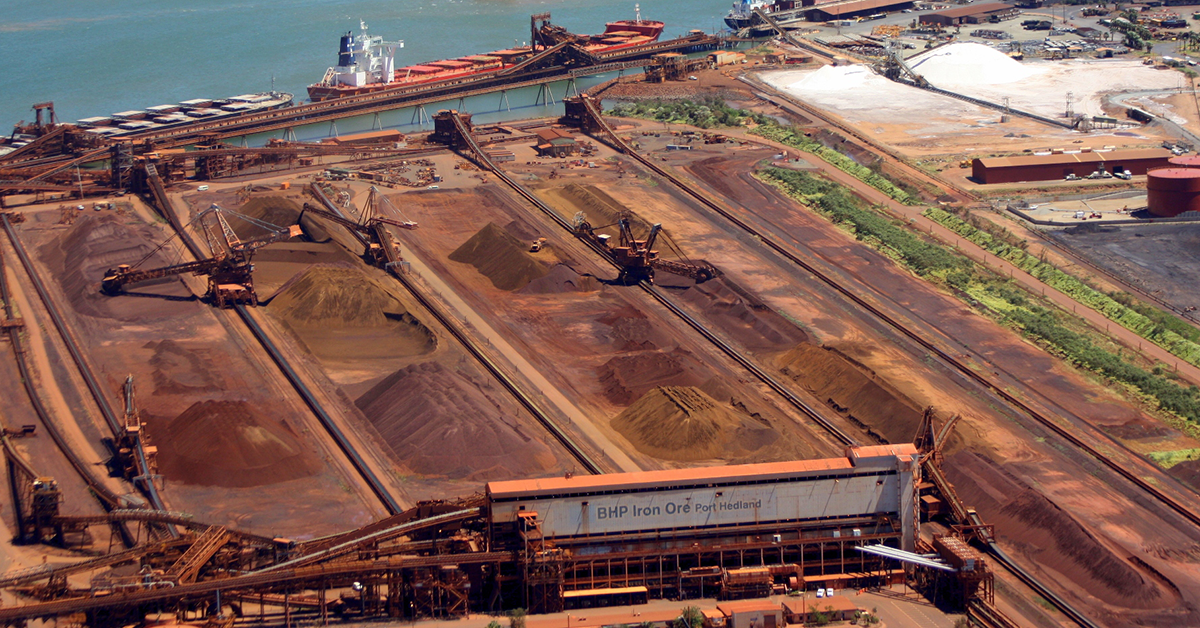
The dispute centres on a new enterprise agreement covering around 450 workers at BHP’s Port Hedland operations. Unions say workers are on “wildly disparate” individual contracts despite performing identical work, and are seeking consistent conditions, transparent progression structures and improved job security.
A strike at Port Hedland — the world’s largest bulk export port — would have significant implications for iron ore shipments. BHP has previously estimated that a full shutdown could cost more than $120 million per day.