-
Posted by Allen Newton
- |
-
18 Sep, 2026
A NEW data dashboard released by the Logistics Institute of Australia is providing fresh insight into the performance and pressure points across Western Australia’s freight networks, with the latest update highlighting strong Pilbara export resilience alongside ongoing exposure to fuel, weather and workforce risks.
The WA Logistics Dashboard, updated monthly, aggregates key indicators across ports, rail, road freight, aviation and supply‑chain risk categories.
The September update shows the state’s freight sector continuing to perform strongly despite global instability, with iron‑ore exports from the Pilbara remaining the dominant element.
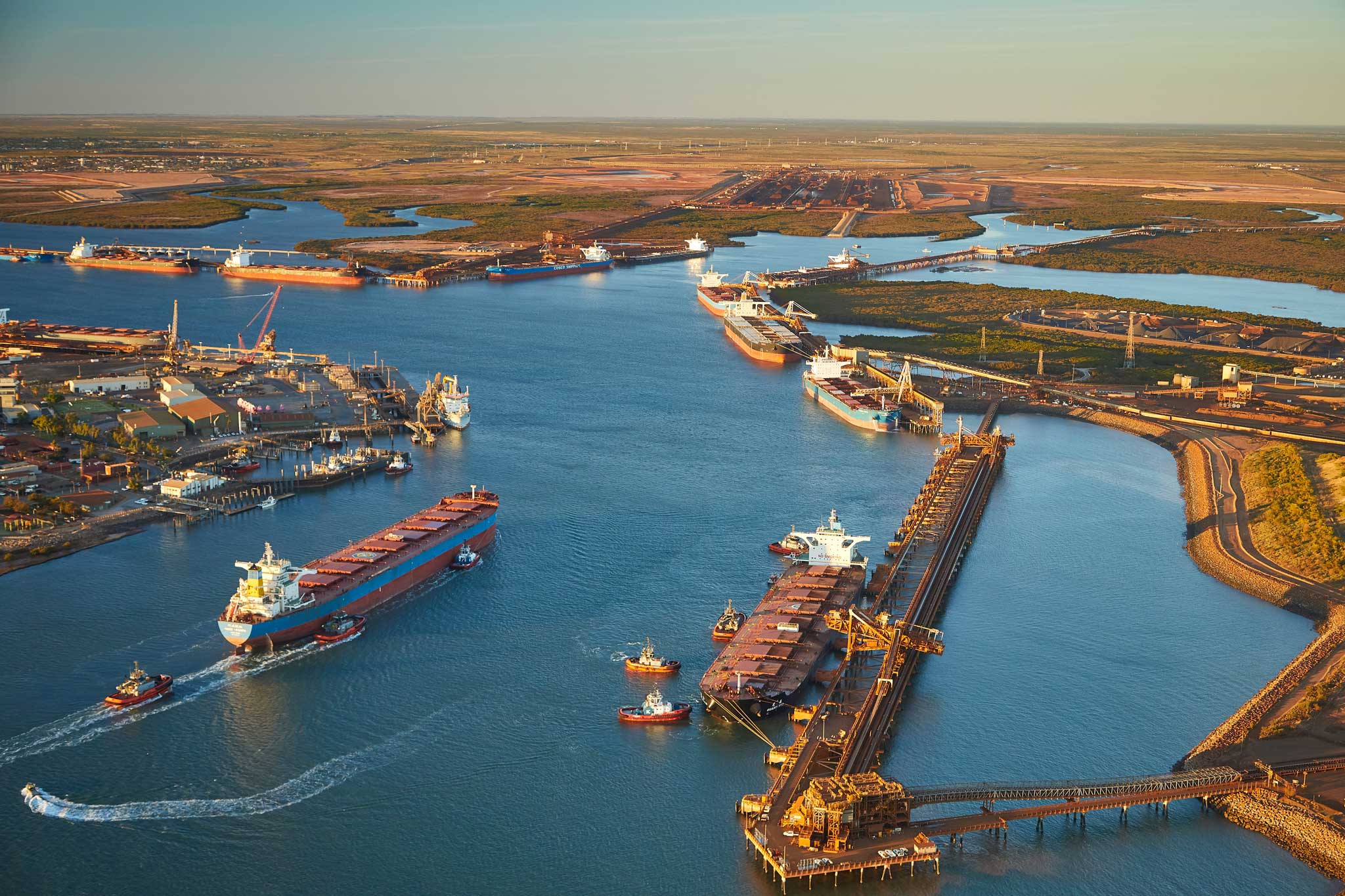
Pilbara Ports recorded 804.1 million tonnes of throughput in FY2026, with Port Hedland continuing to anchor WA’s export profile.
The dashboard notes that Hedland’s August volumes remained robust despite industrial action at BHP’s operations, underscoring the region’s operational resilience and the effectiveness of contingency planning.
The dashboard also tracks Fremantle’s container performance, noting steady volumes but highlighting ongoing constraints linked to road access and vehicle‑length limits.

Industry groups have recently reiterated concerns that the 27.5‑metre limit for freight vehicles continues to restrict productivity at the state’s largest container port.
Fuel security remains a key risk category. The dashboard reflects the Cook government’s decision to extend WA’s emergency fuel powers to March 2027, citing global shipping disruption and geopolitical instability.
WA maintains a 20‑million‑litre strategic diesel stockpile across Kalgoorlie, Esperance, Geraldton and Kwinana to support freight, mining and agriculture in the event of supply interruption.
Weather‑related disruption also features prominently, with the dashboard noting increased exposure to extreme conditions across northern and coastal supply chains.
Workforce availability, particularly in remote regions, continues to be listed as a medium‑level risk.
The dashboard provides a consolidated view of WA’s freight health at a time when operators are navigating global uncertainty, domestic industrial action and infrastructure transitions such as the upcoming opening of the new Fremantle Traffic Bridge.
The Logistics Institute said the dashboard is designed to give industry, government and supply‑chain planners a clear snapshot of freight performance and emerging risks. The tool is expected to be updated again in early October.