-
Posted by Allen Newton
- |
-
27 May, 2026
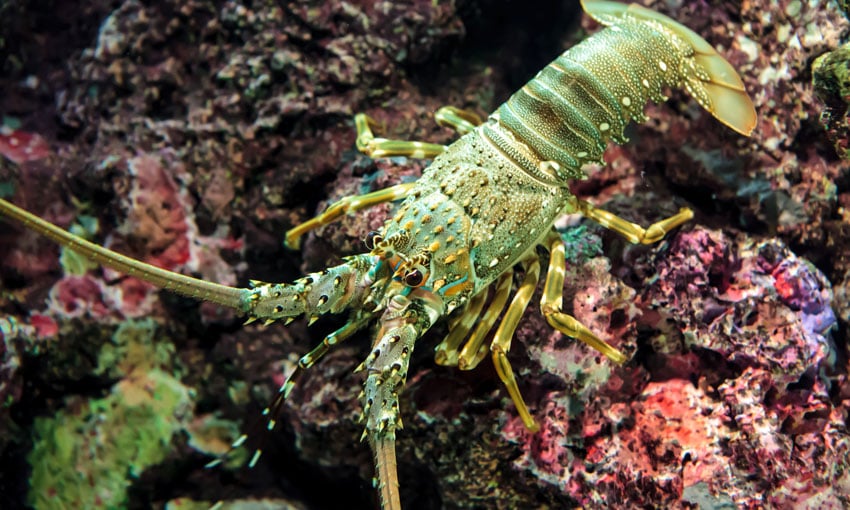
AUSTRALIA’S biggest lobster exporter, the Geraldton Fishermen’s Co-operative (GFC) on Western Australia’s mid-west coast, was hard-hit by China’s ban on the live lobster trade.
It experienced a major revenue shock when China stopped accepting shipments in late 2020, forcing it to diversify by expanding frozen lobster production, developing new markets in the US, Japan, and Southeast Asia and building stronger domestic retail channels.
A brand‑building (“Brolos”) campaign is proving successful returning GFC lobsters to the Chinese market.
Prior to the ban China accounted for ~$750 million of Australia’s annual lobster exports and WA’s western rock lobster industry was the largest and most China‑dependent.
After the ban prices for live lobster fell sharply (from ~$90/kg export value to as low as $30–40/kg domestically. Boats tied up, quotas went unfilled, and processors scrambled to find alternative markets.
GFC’s launch of a range of frozen retail lobster products with leading Chinese retailers, including premium warehouse retailer Sam’s Club and e-commerce platform JD.com is proving successful, complementing its established presence in wholesale and high-end restaurant channels with prices in China now getting back to pre-ban levels.
Part of the reason for that according to Helen Gao, GFC China Operations – general manager is due to a long and extensive market presence in China where Brolos lobster has a significant presence in the importer, wholesaler/food distributor market in China.
“Our aim is to be the preferred brand of rock lobster for all types of buyers in China, including traditional wet markets, leading restaurants and retailers,” Ms Gao said in an Australian Trade and Investment Commission media release.
The release said for more than 70 years, GFC has been connecting Australia’s pristine marine environment with global consumers. Established in 1950 and headquartered in Western Australia, GFC is a collective of fishing families. It is now Australia’s largest producer of rock lobster which is marketed under the Brolos brand.
The co-operative began producing and exporting live and frozen Brolos lobster in the early 1950s and has maintained an international focus ever since.
Today, around 90% of GFC’s production is exported, with Brolos lobster sold in around 20 countries. China, the United States and Japan are its three largest markets, underpinned by strong demand for premium Australian seafood.
GFC began exporting to China in the mid‑1990s. Small shipments were introduced in Beijing in the 1990s through a fishing family introduction.
“Due to a positive response from the Chinese market and growing demand, a strategic partnership with China National Fisheries Company was established,” Ms Gao said.
“China’s appreciation for premium live seafood, growing middle‑class consumption and demand for high‑quality imported products made it a natural fit for Brolos Lobster.”
Ms Gao said GFC’s growth in China was driven by strong distributor relationships, improved logistics and deeper understanding of market demand, progressing from transactional trade to longer‑term partnerships.
"The most valuable lesson we’ve learned is that successful exporting is built on relationships and long‑term commitment, not short‑term transactions.
“Markets change, regulations evolve and external conditions will occasionally disrupt trade, but businesses that invest in trust, transparency and market understanding are far better positioned to navigate uncertainty and recover quickly.
“Having strong local partners and staying connected to reliable sources of market intelligence has been critical to our longevity as an exporter.”