-
Posted by Andrew Hudson
- |
-
14 Sep, 2026
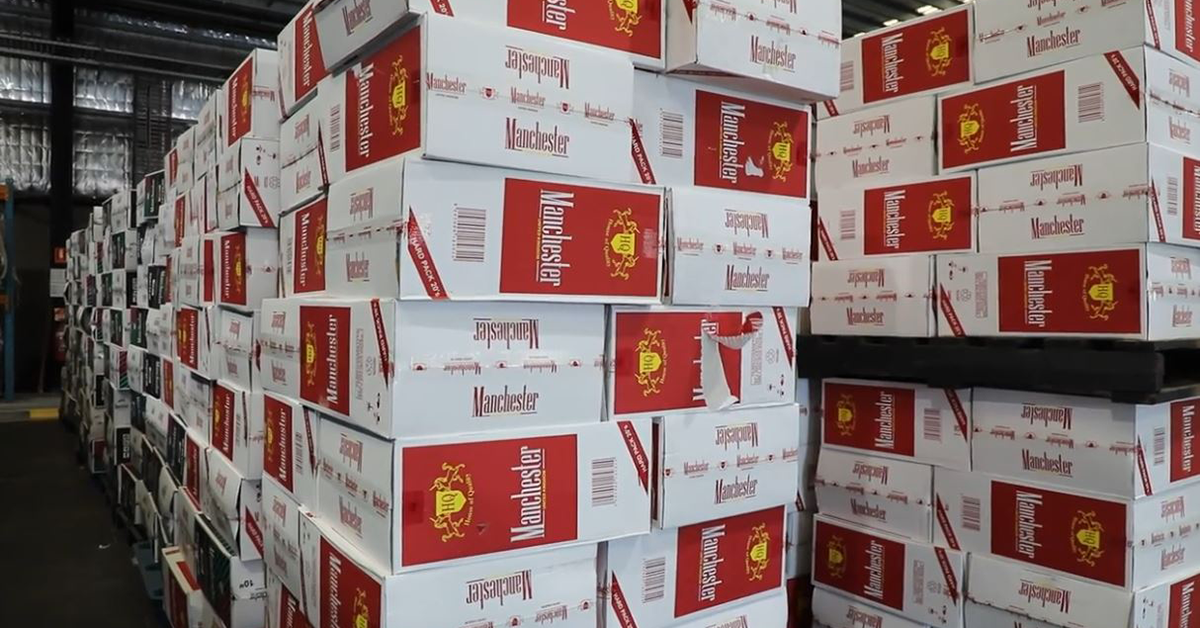
THOSE in the supply chain are subject to extensive legislative and other regulatory controls. There is debate on the ways in which those controls are imposed and varied, especially in relation to the measures to address imported illicit tobacco.
The issue has entered the political environment with the government’s opposition in federal parliament claiming that the existing legislative and regulatory arrangements were not serving the intended outcomes and that improved outcomes would be served by eliminating the restrictive regime on tobacco imports and reducing import duties, enhancing the ability for trade to be conducted by legitimate parties, reducing the incentive for illicit activities.
On 10 September 2026, the Federal government has “doubled down” on the existing regime with the introduction of a Bill containing proposed amendments to the venerable Customs Act 1901 (Act) aimed at augmenting the existing regime and imposing additional obligations on those in the private supply chain as well as increasing liabilities on those in the illicit supply chain. While some of the proposed amendments regarding the licensing of licenced customs brokers and operators of premises licensed by the Australian Border Force (ABF) had been the subject of preliminary discussions with industry associations representing such licensed parties, the other provisions in the Bill had not been discussed with industry described as being Cabinet in confidence until introduction into Parliament.

The Bill to amend the Act is the Customs and Other Legislation Amendment (Illicit Tobacco Enforcement Modernisation and Other Measures) Bill 2026 (Bill) and was introduced by the federal government into the House of Representatives on 10 September 2026 by the Minister for Home Affairs. The Parliamentary website provides the Bill, an Explanatory Memorandum, a Bills Digest and the transcript of the first and second readings of the Bill.
According to the Bills Digest, in his second reading speech, the Assistant Minister for Citizenship, Customs and Multicultural Affairs, Julian Hill MP characterised the Bill as ‘the most comprehensive modernisation of Australia's illicit-tobacco customs enforcement framework since 2018, ensuring laws designed for a very different illicit tobacco market keep pace with increasingly sophisticated criminal enterprises
The Bill follows extensive consideration of the impact of the illicit tobacco industry including by a Senate review from late 2025 which incorporated comments that while tobacco consumption had dropped, most of the purchases came from illicit sources. The ongoing continuing criminal activity associated with the illicit tobacco industry has placed additional pressure on State and Federal governments to take further steps against those in the illicit tobacco industry.
The ABF has provided some guidance to industry which includes the following comments among a lengthy summary of the Bill.
- The Customs and Other Legislation Amendment (Illicit Tobacco Enforcement Modernisation and Other Measures) Bill 2026 strengthens Australia's ability to combat illicit tobacco trafficking, disrupt organised criminal involvement in the tobacco market and protect the integrity of legitimate supply chains.
- The Bill also improves the effectiveness of proceeds of crime investigations and asset confiscation powers. The Bill amends the Customs Act 1901 and the Proceeds of Crime Act 2002.
- Further, the material released by the ABF describes the key aims of the Bill are intended to amend illicit tobacco offences to better target contemporary criminal methodologies and organised crime involvement in the illicit tobacco market;
- close identified legislative gaps that create opportunities for the diversion of tobacco products into the illicit market; improve the efficiency of customs seizure, forfeiture and disposal processes for illicit tobacco products;
- strengthen the integrity of Australia's tobacco supply chain through statutory tobacco-related obligations for customs brokers, depots and warehouses, and expand the National Customs Broker Licensing Advisory Committee to include depots and warehouses, now titled the National Customs Licensing Advisory Committee;
- and enhance the Commonwealth's ability to identify, restrain and confiscate the proceeds and benefits of criminal activity.
The material released by the ABF goes into some details as to likely impact on the illicit supply chains and is at pains to state that the additional compliance obligations will not significantly affect existing compliant operators. However, from my perspective, even while recognising the adverse consequences of the illicit tobacco industry, I am also concerned on the impact on those parties in the legitimate supply chain.
There are already significant obligations on those parties which obligations are expensive to impose and maintain. The numbers of licensed customs brokers are already dropping and increasing obligations and liabilities on them may cause existing licensed customs brokers to leave the profession and deter others from joining the profession.
At the very least, these amendments to the Bill will take time to review and discuss with the ABF. Terms and conditions of trade will require rigorous review as will insurance policies. Members of the legitimate supply chain will need to once again take steps to review practices and amend or introduce new procedures and they will, once again, bear an increased burden and risks in their businesses to comply with government policy
We will work with the International Forwarders and Customs Brokers Association to review the Bill when it is released, in discussions with the ABF and advice to industry on the provisions of the Bill and additional steps to advance compliance.