
-
Posted by Dale Crisp
- |
-
05 Aug, 2026
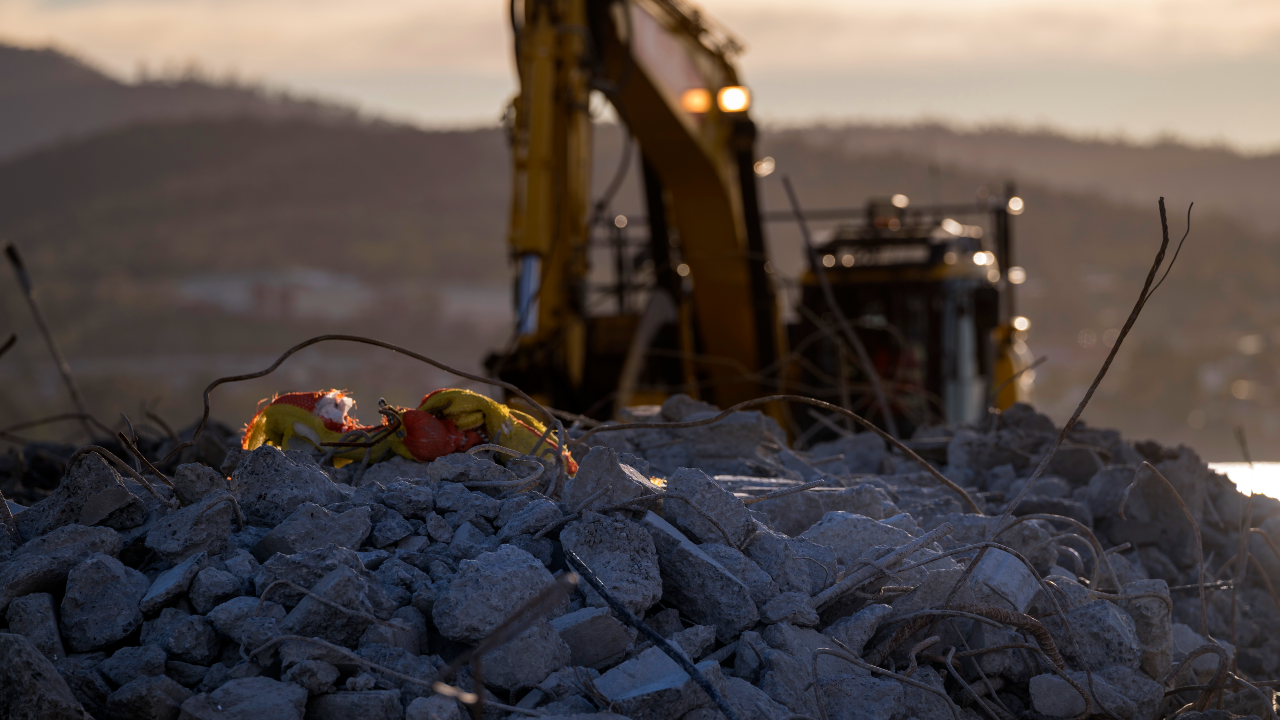
THE NEXT step in the creation of a new Hobart base for the Australian Antarctic Division’s research/icebreaker Nuyina is about to be taken with the demolition of the port’s Macquarie Wharf No 6.
More than 12,900 tonnes of ageing wharf structure will be dismantled over the next five months, as the first stage of the broader Macquarie Wharf Redevelopment Project, one of TasPorts' largest infrastructure investments and a key pillar of its strategy to modernise Tasmania's port network.
Federal Minister for the Environment and Water Murray Watt said the demolition marked a key step in delivering the nationally significant project, which is underpinned by a $188 million investment from the Commonwealth Government.
“The start of demolition on Macquarie Wharf 6 is a critical step in delivering a modern home port for the RSV Nuyina and a stronger gateway to the Southern Ocean and Antarctic,” Mr Watt said.
Member for Franklin Julie Collins said the federal government “is continuing to invest in modern and reliable infrastructure for our Antarctic researchers".
“It’s terrific to see this vital upgrade is underway to ensure our facilities are up to the task of supporting our world-leading Antarctic researchers and scientists,” Ms Collins said. “Hobart is a crucial hub for Antarctic and Southern Ocean science in Australia. We’re proud to be investing in Tasmania to ensure it remains our gateway to Antarctica for years to come."

Tasmania’s infrastructure and transport minister, Kerry Vincent, said the work paved the way to build a fit-for-purpose home for Nuyina and also secured Hobart as Australia's gateway to Antarctica and the Southern Ocean exploration.
TasPorts CEO, Captain Allan Gray, said reaching the demolition phase reflected months of careful planning and preparation by the project team and delivery partners.
“Deconstructing a structure of this size over water is a genuinely complex undertaking. More than 12,900 tonnes of concrete, steel, and timber all need to be carefully separated, broken down and removed.
“Our construction partner, Hazell Brady Joint Venture is demolishing the wharf in sections to prioritise safety and minimise the environmental impact. Once that is done, we move into construction and piling for the new wharf,” Capt Gray said.
Specialised marine equipment has been mobilised on site to carefully dismantle the existing wharf structure, including a 280-tonne crawler crane. Excavators fitted with rock breakers, shears and pulveriser attachments are being used to deconstruct the wharf piece by piece. Falling material is captured in locally made custom bin barges, positioned beneath the wharf deck, before being removed for processing and recycled on land.
“With works taking place on the River Derwent, environmental controls, including protective silt curtains and marine-life monitoring, are in place to protect the local environment throughout the works,” Capt Gray said.
Delivered in stages, the broader Macquarie Wharf Redevelopment Project will deliver upgrades to wharves 4, 5 and 6, providing efficient, resilient, and sustainable infrastructure to support Antarctic, freight, and cruise operations, TasPorts says.
At one stage wharves 5 and 6 hosted Hobart’s container trade ambitions and were equipped with a ship-to-shore gantry.
However, that phase ended when container lines abandoned the long diversion to the southern port.
Practical completion of the Macquarie Wharf 6 project remains on track for August 2028.