
-
Posted by Caroline Tung
- |
-
22 April, 2026
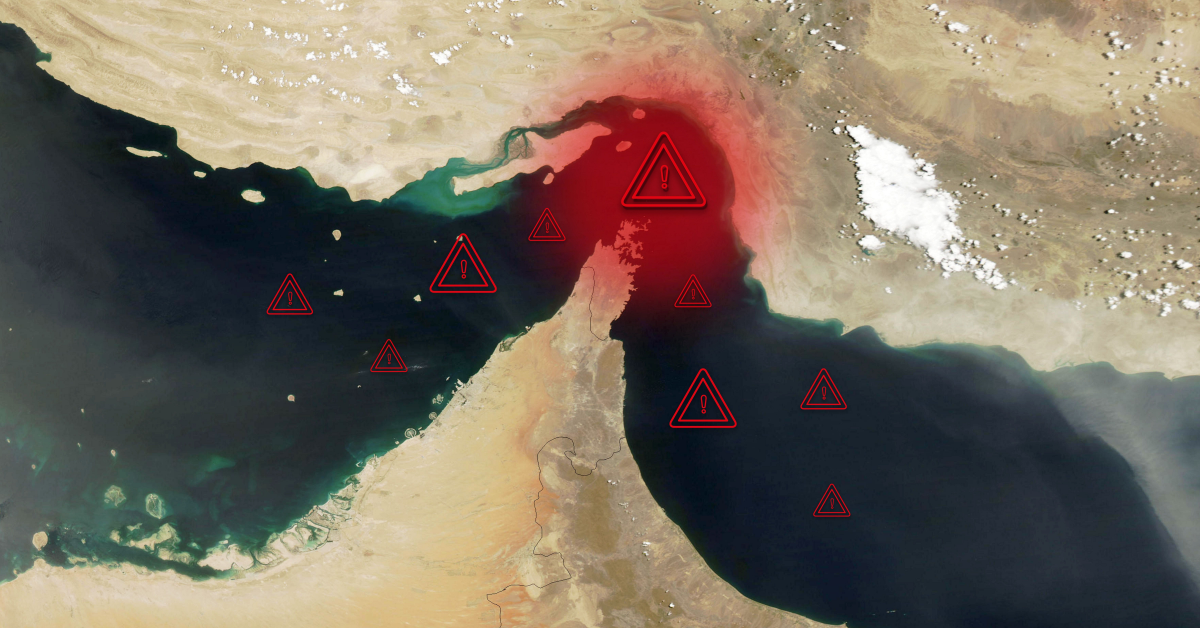
FUEL volatility has become the key driver for global ocean and air freight as the Hormuz crisis continues, global logistics giant DHL says.
The latest DHL Air Freight Market Update Report and Ocean Freight Market Update Report, published in March and April respectively, highlighted the layered impact of fuel volatility, detours, and network friction on the freight market.
Domino effects included higher costs, longer routings and persistent congestion, which are expected to continue even as Asia “continues to power global trade”, according to DHL's expert analysis.
MPC International managing director Peter Creeden said the risks were “not abstract” and “cost increases were already moving through supply chains".
“If the old prices remain high, still 50% above pre-crisis rates, carriers will bake them into surcharge structures,” he said.
"It would become "a line item", like the EU ETS, that shippers absorb and eventually stop questioning.
“Until that settlement lands, and it is genuinely too early to call the timing, expect carriers to hold the line on rate discipline,” Mr Creeden said.
DHL experts said while shippers entered this year with "relatively disciplined capacity and steady Asian export demand", that balance "shifted rapidly as energy prices spiked".
"As a result, container rates moved quickly and are expected to remain high as surcharges are fully implemented and routing distances remain extended," the report stated.

Jet fuel prices are also showing the immediacy of their impact on rates, jumping 64% to US$170 (A$237) per barrel.
Airlines responded swiftly by increasing fuel surcharges, with spot rates reaching US$3.38 (A$4.72) per kilo by week 12, up 26% year-on-year.
Mr Creeden said the Hormuz disruption had “absorbed the overcapacity that was threatening to crater rates through 2026”.
“Major carriers will not voluntarily surrender that. General rate increases (GRIs) and emergency surcharges remain in effect through year-end,” he said.
International Forwarders and Customs Broker Association of Australia’s international freight and logistics manager, Russell Coleman, said ongoing schedule unreliability, emergency surcharges layered on top of rising GRIs, and commodity exposure went beyond containers.
“A diplomatic settlement is likely by the third quarter, but the Strait does not simply reopen. Iran extracts something material from this crisis, most probably a formalised transit toll on all commercial vessels,” Mr Coleman said.
“That permanently changes the geometry of global shipping costs, even after the immediate crisis passes. Smaller operators face the harder arithmetic of doubled bunker costs against thinner margins."
MPC International principal advisor Dominic Enthoven said businesses were encouraged to “start charting a new course”.
“The industry is not navigating a spike or the bottom of a cycle; it is navigating a structural repricing of the world's most critical maritime chokepoint, with no guarantee of a return to what came before,” he said.
“The businesses that hold their position through 2026 will be the ones that stopped waiting for the old map to become relevant again and started working with the new one.”