
-
Posted by James Kurz
- |
-
22 Jan, 2026
PAUL Zalai’s recent industry opinion, Container detention in Australia – time for fair play, not revenue games, raises concerns that I take seriously. As someone working within an international shipping line operating in Australia, I understand the frustration importers and exporters feel when detention charges are applied during unavoidable delays. I agree that detention should incentivise efficiency—not punish inevitability. That said, I believe the issue is more nuanced than portrayed, and I’d like to offer a perspective that reflects the operational realities of global shipping and the broader context in which these charges arise.
Recognising the problem and its root cause
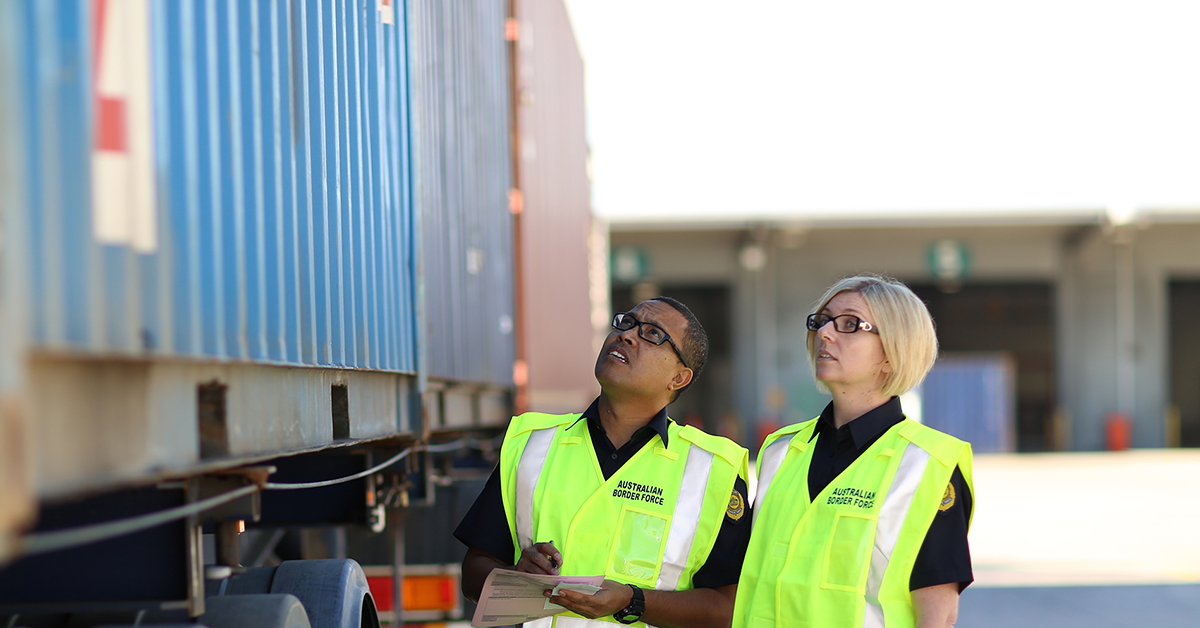
Paul points to recent Australian Border Force holds that have immobilised containers for weeks, sometimes more than a month, while detention charges continue to accrue. I don’t dispute that this feels unfair. But it is important to recognise that shipping lines don’t control ABF processes. When containers are held by government authorities, shipping lines lose access to critical equipment that’s essential to maintaining global trade flows. The real bottleneck in these cases lies with the ABF’s prolonged inspection timelines. Redirecting frustration toward shipping lines, rather than addressing the root cause, risks missing the opportunity to fix what is truly broken.
Why detention fees exist – a necessary discipline, not a “revenue lever”
Detention fees exist to encourage the timely return of containers—vital assets that must be kept in circulation to meet the needs of global trade. Free time is already built into freight rates to accommodate normal delays. When containers are returned late, it disrupts the supply chain and forces shipping lines to deploy additional equipment, often at significant cost. Detention charges help offset those losses. I don’t view detention as a revenue stream. It’s a logistics tool designed to maintain flow and fairness across the network. Without it, the system would risk widespread inefficiencies, leading to container shortages and higher costs for everyone—including the very shippers Paul represents.
That said, I agree detention fees should not apply when delays are truly unavoidable. In cases of extended ABF holds, shipping lines work with customers to review and, where appropriate, waive or reduce charges. These decisions are made on a case-by-case basis, guided by fairness and commercial reasonableness. A blanket suspension policy, however, could be difficult to implement without clear, enforceable criteria.

Addressing regulatory concerns and calls for fairness
I’ve followed with interest the findings of the ACCC, the Productivity Commission and the Senate committee. Their concerns about transparency and fairness in detention practices are valid. I’ve participated in consultations and provided data to support a better understanding of how detention works in practice.
I support reforms that ensure detention charges are applied fairly and proportionately. But I also believe that any regulatory changes must be developed collaboratively, with input from all stakeholders—shippers, carriers, and government agencies alike. A balanced approach is essential to avoid unintended consequences that could disrupt the very trade flows on which we all depend.
The operational reality of government holds
The current ABF delays are a perfect example of why a collaborative solution is needed. When containers are held for weeks, shipping lines lose the ability to redeploy them, and customers face mounting costs. I support the idea of developing a protocol to pause detention clocks during prolonged government holds, provided it’s implemented transparently and fairly. This kind of solution requires cooperation, not confrontation.
Mutual dependence and the importance of collaboration
Members of APSA and FTA are among shipping lines’ most valued customers. Their success is directly tied to that of the shipping lines. I believe that portraying shipping lines as adversaries undermines the trust and cooperation needed to solve shared challenges. I’ve seen firsthand how collaboration during past disruptions—like industrial actions—has led to practical, mutually beneficial outcomes. I encourage shippers to engage early when issues arise. Open communication often leads to fair resolutions, far more effectively than public blame.
Toward a more balanced dialogue
I appreciate the role that DCN plays in shaping industry discourse. Paul’s voice is important, but so too are the perspectives of those of us operating the vessels and managing the equipment that keeps trade moving. I encourage DCN to include viewpoints from shipping lines in future coverage of detention and related issues. A more balanced dialogue will help the industry move toward solutions that reflect the realities and responsibilities of all parties.
Finding fair play together
I share Paul’s desire for a fair system—one that distinguishes between avoidable and unavoidable delays. I’m committed to working with shippers, regulators, and government agencies to develop practical solutions that ensure detention charges are applied justly. I believe that by focusing on the true sources of delay, such as ABF processing backlogs, and by maintaining open, respectful communication, the industry can move forward together.
Australia’s supply chain deserves a system built on trust, transparency, and shared responsibility. I remain committed to that vision.