-
Posted by Dale Crisp
- |
-
02 Oct, 2026
VICTORIA more than retains its pole position in Australia’s freight network, according to the latest Container Logistics Chain Study released by the state’s Minister for Ports and Freight Melissa Horne.
Ms Horne says the study provides a clearer picture of how Victoria's freight system operates, and will support planning for future growth.
“Our freight task continues to grow with containers passing through the Port of Melbourne increasing by 14.7% since 2019.
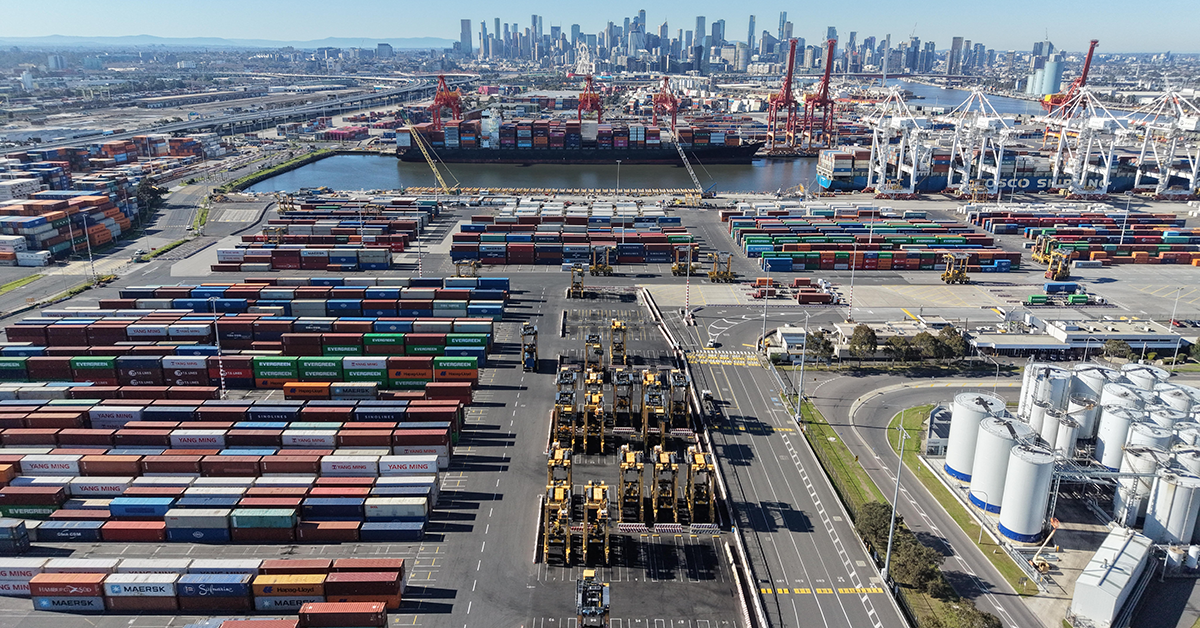
“In 2024, 3.4 million TEU moved through the port, up from 2.96 million in 2019.
“Import containers are being collected quicker, with almost 70% collected within two days of becoming available and an average collection time of 36 hours – getting goods moving to Victorians sooner, and shelves stocked faster at grocery stores.”
Victoria’s largest exports were led by food and livestock, which total more than 25% of export container volumes.
The study found Melbourne's west continues to play a critical role in the state's freight network, with more than 40% of metropolitan import containers destined for major logistics hubs in Laverton, Truganina and Derrimut.
“That’s why the government is reducing inner-west congestion with the opening of the West Gate Tunnel, redeveloping the former Melbourne Market Site opposite the port, and establishing No Truck Zones in the inner west.
“The study highlights the importance of the Victorian Rail Freight Plan, which aims to help move containers to and from the Port of Melbourne across Victoria – taking trucks off roads, cutting emissions and costs for businesses,” Ms Horne said.
“The Labor government has invested almost $600 million in Victoria’s regional rail freight network, supporting heavier axle loads, increased speeds, improved reliability, new and extended passing loops and increased capacity on key rail freight routes.”
Ms Horne said the CLCS study would help make better, long-term decisions about how goods are moved across the state “and ensure we maintain our status as Australia’s freight and logistics capital.
“Victoria handles more than a third of the country’s container trade and contributes $36 billion to Gross State Product annually.
These insights will help us support our freight workforce of 260,000 who keep our supply chains moving every day.’’
Port of Melbourne CEO Saul Cannon said the report would "help industry and government work together to improve the efficiency and resilience of Victoria’s supply chain.”
Container Trade Alliance Australia’s Neil Chambers will analyse the study for DCN – stay tuned.