
-
Posted by Peter Creeden
- |
-
29 May, 2026
TEN WEEKS after the United States and Israel targeted Iran, which responded by closing the Strait of Hormuz to commercial traffic, the global oil market is surprisingly calm.
Brent crude hovers around $105 a barrel, below the $129 peak following Russia's invasion of Ukraine in 2022, and far from the $150-200 range that analysts predicted in March if the strait stayed closed. Stock markets are near record highs, and while economic growth forecasts have been revised downward, they have not collapsed.
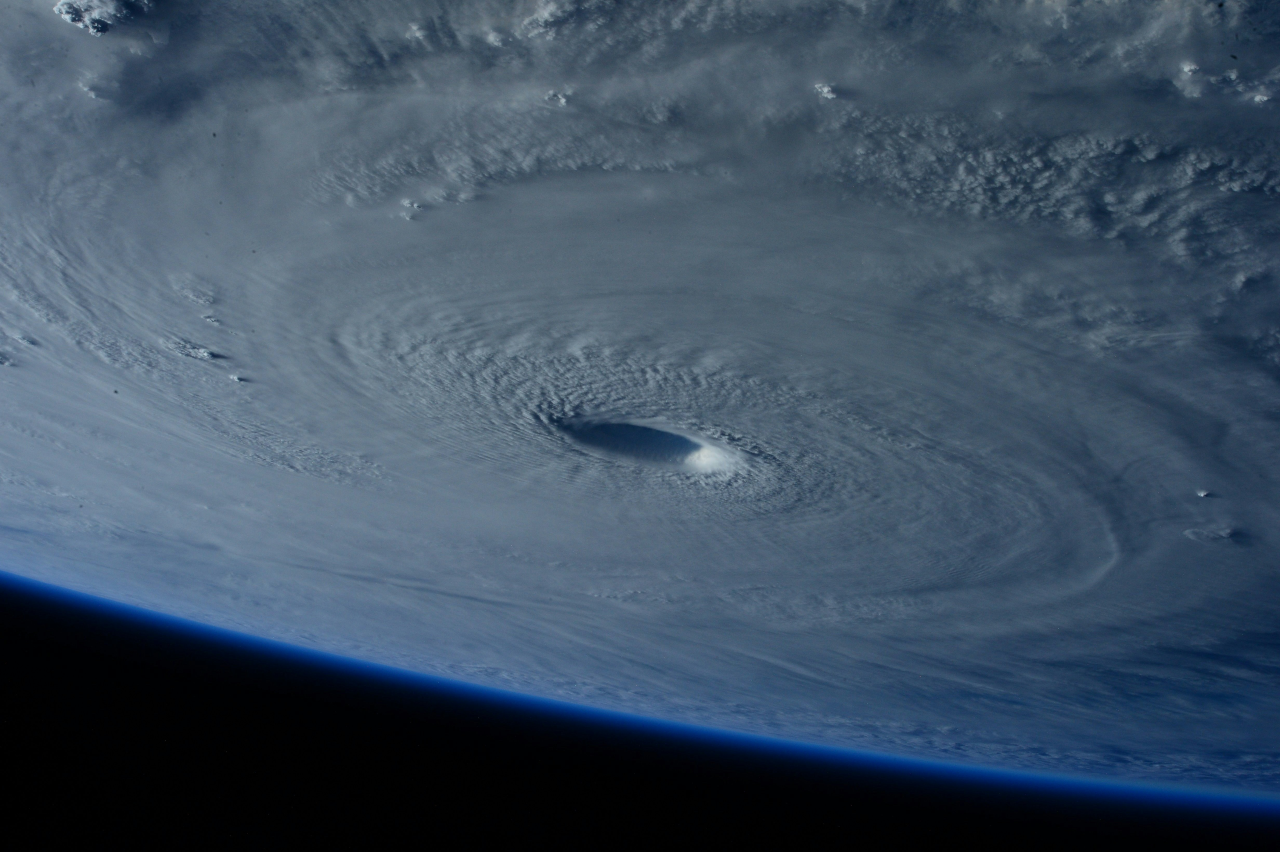
Do not mistake the eye of the storm for smooth sailing
While preparing the MPCI Monthly Report for April, two recent articles from The Economist prompted us to reflect more deeply on the current global situation and prospects. Together, they present a challenging picture for anyone overseeing supply chains in the Asia-Pacific. The April article provided stark data: about 12 million barrels per day of deficit, strategic reserves being depleted faster than ever, and commercial inventories filling a shortfall that they were not meant to sustain long-term. The report clearly indicated that the world was on the brink of a crisis within weeks. This week’s article explains why that reckoning hasn't yet arrived.
Two forces have provided temporary cover. The United States has surged net petroleum exports to nearly nine million barrels per day, the highest ever recorded, drawing on reserves, redirecting refinery output, and repricing its crude to attract buyers. China, meanwhile, has sharply reduced imports, drawing on vast domestic stockpiles estimated at around 1.2 billion barrels, while banning refined product exports to protect its own supply. Together, these two actions have narrowed the visible supply gap and kept crude prices surprisingly subdued.
Both buffers have natural limits, and both are showing signs of strain. China will not indefinitely draw down its strategic reserves. The whole point of a strategic reserve is that you preserve a buffer. When Chinese refineries return from their maintenance season and resume imports, they will re-enter a market already in short supply. American motor-fuel stocks are falling at record speed. If petrol reaches five dollars a gallon, the political pressure on the Trump administration to restrict exports will become acute. An American export ban, several sources told The Economist, is now a live possibility and if imposed, it would roil global energy markets far beyond anything we have seen so far.
For Australia and New Zealand, the implications are not abstract. Facing diesel and jet fuel shortages driven by export restrictions from China and South Korea, Australia has moved quickly to manage the exposure. As a major coal and natural gas exporter, it has leveraged its resource position to secure new refined fuel deals with Brunei, Japan, Malaysia, Singapore and South Korea. Most notably, Foreign Minister Penny Wong secured a jet fuel agreement with Beijing on 29 April, a pragmatic piece of energy diplomacy that would have been unthinkable in a different geopolitical climate. These are the moves of a country that knows exactly how thin are its margins. Relative to many of its Asian neighbours, Australia is better positioned, but that is not the same as being well positioned. This situation is something to watch.
The shipping dimension compounds the picture. The Red Sea has been effectively closed to commercial traffic since late 2023, forcing vessels transiting between Asia and Europe onto Cape of Good Hope routing, adding significant voyage time and cost. The Hormuz closure has now layered a second, more severe disruption on top of an already reconfigured trade lane. The carrier capacity that was heading into 2026 as surplus is now seemingly absorbed. Although the underlying oversupply has not disappeared, it has simply been masked by the disruption. Freight rates, while volatile, have not collapsed as the pre-crisis overcapacity thesis predicted; that reckoning has now been postponed until 2027.
Resolution does not look imminent. Peace talks between the US and Iran have stalled. Even in the most optimistic scenario, a deal struck this week, the strait would still need to be cleared of mines, insurers would need to recertify the route, and the physical logistics of restoring normal Gulf export volumes would take months. The world will be managing the consequences of this closure well into the second half of 2026, regardless of what happens diplomatically in the next fortnight.
We are likely to emerge from the eye of the storm in late June. Our exact position at that point remains unknown. Don't assume the storm has passed. Be prepared for heavy weather. Let's hope we emerge from this eye into a course that is bumpy but manageable.