-
Posted by Daily Cargo News
- |
-
16 Oct, 2026
Port of Brisbane presents the fourth instalment in a newsreel series bringing the port’s history and stories to life through the voices of the people who helped shape its growth.
THE BRISBANE International Cruise Terminal had to contend with some rough waters before it became the success story it is today.
There were logistical challenges, complex stakeholder requirements, a pandemic that paralysed the global cruise industry and a substantial investment in an unknown “field of dreams”: if they built it, would the ships come?
And come they did. Three million passengers and 600 ships so far, and that could be just the beginning.
In a few short years, Brisbane has gone from being bypassed by a new generation of large cruise ships to approaching capacity at its new facility during peak periods.
Brisbane is now an established cruise hub, with the port considering expansion to accommodate demand.
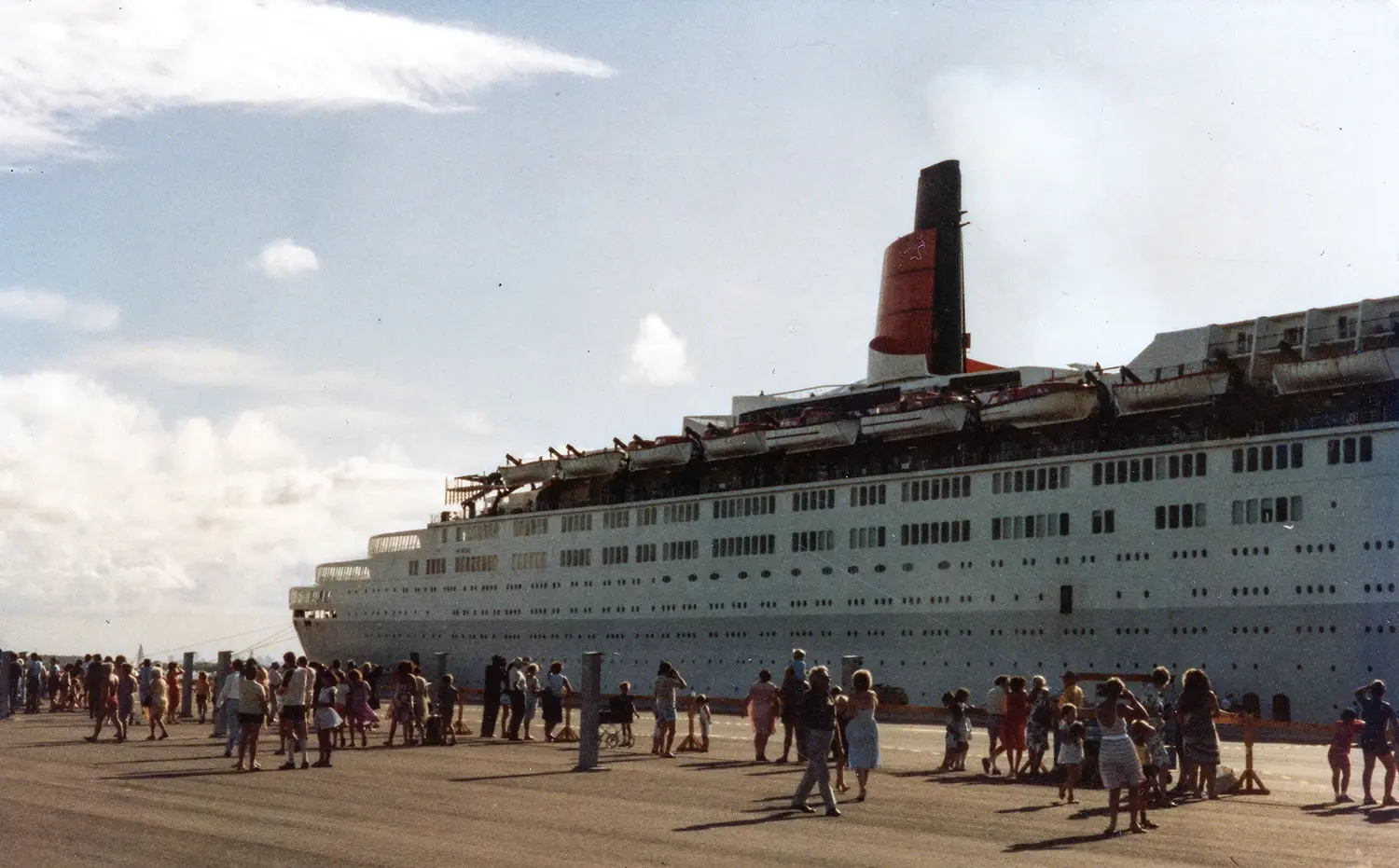
Cruise ships called at Fisherman Islands from the 1980s.
A cruise ambition stretching back decades
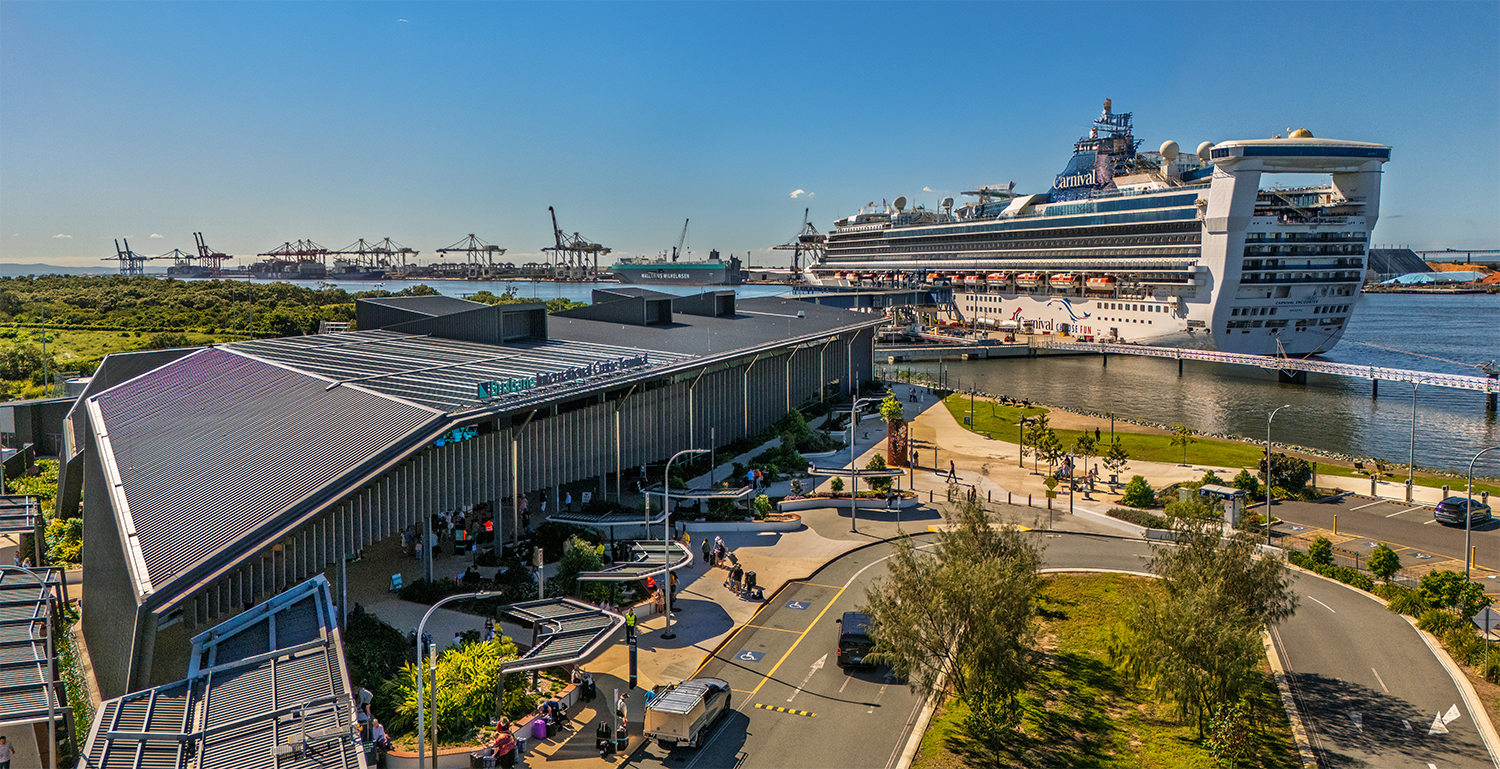
The Port of Brisbane’s $177 million cruise terminal at Pinkenba was completed in 2020 but did not welcome its first cruise ship until June 2022, after Covid-19 restrictions shut down the international cruise industry.
While the terminal is less than a decade old, cruising has been part of the Port of Brisbane story for much longer.
The Queen Elizabeth II called at Fisherman Islands in February 1982, just months after the first container ship arrived at the emerging port precinct in August 1981.
For many years, smaller cruise ships were able to travel further upriver, but the geography of the Brisbane River, the height of the Sir Leo Hielscher Bridges and limitations on turning increasingly large vessels progressively narrowed the options.
Ships longer than about 270 metres had to call at Fisherman Islands, where a multi-user terminal provided an alternative berth.
Faced with the prospect of larger vessels bypassing Brisbane, the Port of Brisbane progressed a market-led proposal with the Queensland government to secure underutilised state land at Pinkenba before fully funding and delivering the Brisbane International Cruise Terminal.
From an idea to something much bigger
Port of Brisbane executive general manager infrastructure Daniel Burley became involved in the project around 2016, when offered a choice between working on a major port motorway upgrade and taking on an emerging cruise terminal proposal that was still far from certain to proceed.
Mr Burley chose cruise.
The original concept had been developed several years earlier around the ships and expected passenger volumes of the time.
Within weeks of reviewing the early plans, Mr Burley concluded the project would need to be significantly larger to accommodate the direction of the international cruise industry.
“I think we determined that our building needed to be twice as big, the wharf wasn't long enough, and we didn't have enough car parking and ground transport for the facility in the original design,” Mr Burley said.
“The project had been conceived in 2010 or 2011 around a specific ship size at the time. When the project was revisited, we wanted to cater for the biggest ships in the world and the initial concept just wasn't bold enough for that.”
The location was largely determined by the river itself.
Deep water extends only a short distance upstream from the site, while the draught and height of modern ships, and the room required to turn them, increasingly restricted how far upriver they could travel.
You've got your wharf, you pull your vessel up, you need to get people off safely and get them into your building- Daniel Burley, Port of Brisbane executive general manager infrastructure
At the same time, handling cruise passengers at Fisherman Islands meant mixing families heading off on holidays with one of Queensland’s busiest concentrations of heavy freight vehicles.
Mr Burley said separating the passenger and freight tasks became an important consideration in developing a dedicated facility.
“You've got your wharf, you pull your vessel up, you need to get people off safely and get them into your building,” Mr Burley said.
“Then the building needs to process people from a customs and quarantine perspective, while behind that you need the ground transport area, and they all need to work seamlessly together to make for an enjoyable and efficient passenger experience.”
There was also no established Australian template for delivering a new greenfield cruise terminal of that size.
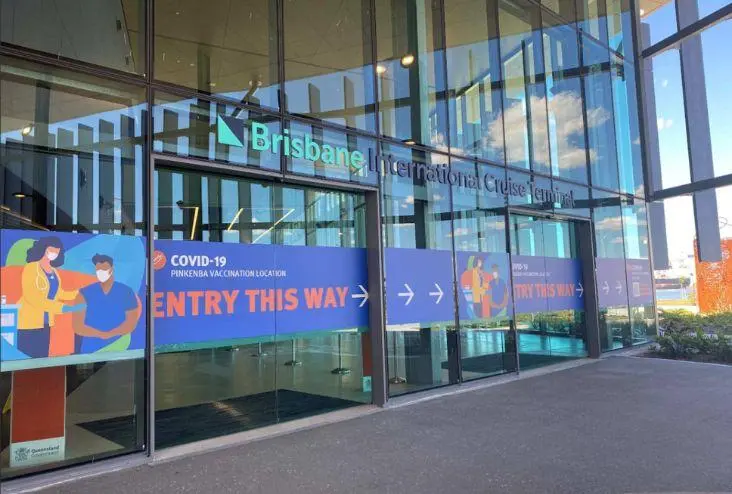
The cruise terminal as a vaccination hub during Covid-19.
Covid-19 changes everything
For almost four years, the project team had been working against the clock to have the terminal ready for the 2020–21 cruise season.
Then the pandemic arrived and priorities changed. Within days, the cruise industry had ground to a halt, with no certainty about when it would resume. The direction went from “go, go, go” to “we’re not opening any time soon”.
Despite the disruption, practical completion was achieved in August 2020. The terminal was ready, but there were no ships.
The new facility instead found temporary uses, including serving as a COVID-19 vaccination hub and hosting visiting naval vessels.
The terminal finally opens
The official opening on 2 June 2022 saw P&O’s Pacific Explorer become the first cruise ship to use the facility.
Mr Burley recalled a surreal moment when looking back from the wharf deck towards the building and accessway and realising it looked just like the artist’s impression created years earlier.
Port of Brisbane chief executive Neil Stephens arrived about 5am on opening morning to find about 50 port staff had beaten him there.
“There were media crews everywhere. There were politicians to mark the moment, including the Premier and Lord Mayor. Everything was going on and it was just a brilliant day,” Mr Stephens said.
At the end of a long day, Mr Stephens sat with senior colleagues and watched the ship depart.
“We sat on a seat in the darkness, watching this ship go off into the night and said, ‘You know, we've got it right here. But you know we're going to need a bigger one.’
“We were exhausted, but we had a ship every day for the next five days – and we've been doing it ever since.”
Seeing the immediate benefits
When cruising finally returned, the turnaround was dramatic.
Mr Stephens said the terminal was almost full during the peak summer season from the outset, with the significance of the facility extending well beyond Brisbane.
Ships homeporting or calling in Brisbane commonly continue to destinations including Townsville, Cairns and Airlie Beach, spreading passenger spending and tourism activity along the coast.
The next opportunity
Mr Stephens said demand was already reaching the point where vessels wanting to visit Brisbane could not always be accommodated.
“But what we were seeing, particularly in the high season, is ships sailing by,” Mr Stephens said.
“They were asking to come in, and we could not get them in. If you've got an average of six vessels a week, you've not got a lot of space to get somebody in.”
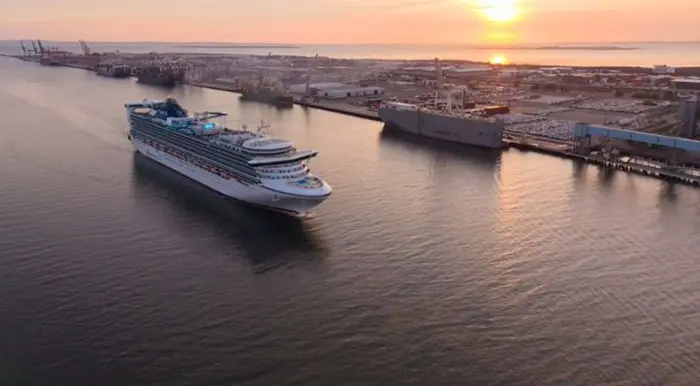
Sailing past Fisherman Islands.
The port has consequently resumed using its multi-user terminal for some smaller vessels and day calls when the cruise terminal is already booked. It is also considering expansion options for the future.
For Australian Cruise Association chair Brendan Connell, who is also the Port of Brisbane’s executive general manager sustainability and corporate relations, the terminal’s next chapter sits within a larger opportunity created by the Brisbane 2032 Olympic and Paralympic Games.
Mr Connell said the Games should not be viewed as a short burst of activity for the cruise sector.
“The Olympics will place Brisbane and Australia in front of a global audience of billions,” Mr Connell said.
“For cruise, Brisbane 2032 should not be viewed as a two or four-week event. It should be viewed as a decade-long opportunity.”
But the groundwork needs to start well before the Olympic flame is lit.
“Cruise lines plan years ahead. Infrastructure takes years to deliver,” Mr Connell said.
“Policy reform takes time. The choices we make today will determine Brisbane and Australia's place in the global cruise market a decade from now.”