
-
Posted by Dale Crisp
- |
-
21 July, 2026
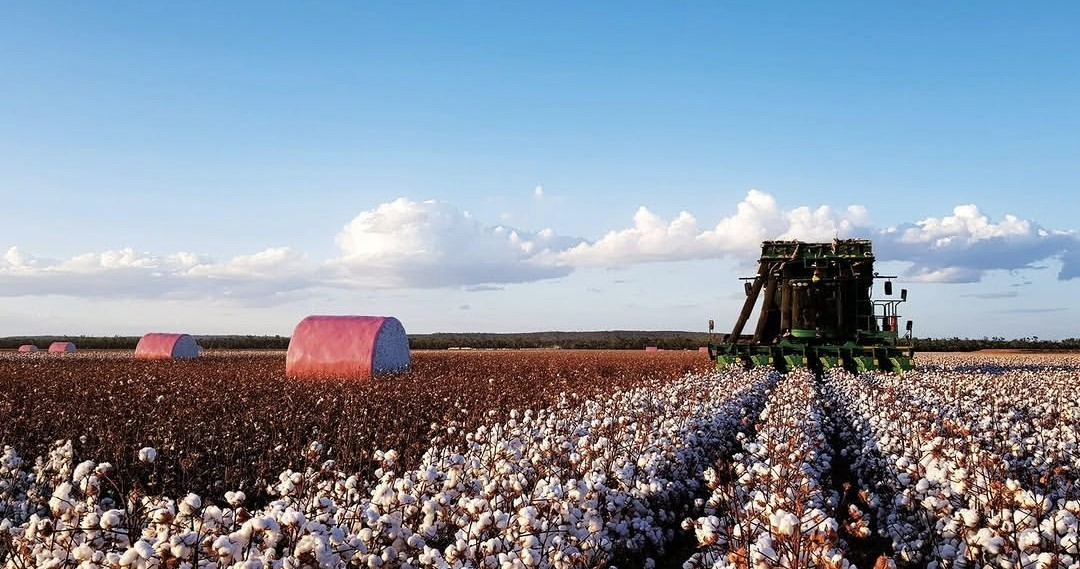
TOGETHER with industry the Queensland Government is pumping $5.3 million into North Queensland agriculture with ambitious goals to produce multiples of current volumes of cotton, pulses and grain.
In collaboration with Cotton Research and Development Corporation (CRDC) and Grains Research and Development Corporation (GRDC), the funds will be invested into a research and development project — “Unlocking Farming Systems for North Queensland” — to enable the production of 100,000 bales of cotton and grow grain and pulse production to $100 million per year, by 2035.
The government says the project aligns with its Prosper 2050 blueprint and target of increasing the value of primary production output to $30 billion by 2030.
Initially the project focus will be on the upper and lower Flinders catchment, where broadacre cropping currently contributes around $13.2 million in gross value of production. This work will be followed by a focus on the Gilbert catchment, where similar opportunities exist.
Minister for Primary Industries Tony Perrett said the initiative would accelerate cotton and grain in the northwest, building on a significant shift underway from a traditionally grazing region.
“In partnership with CRDC and GRDC our scientists will be working with farmers and graziers in the region to understand how to get the best performance out of local soils and conditions to develop a prosperous and sustainable industry," Mr Perrett said.
CRDC executive director Allan Williams said supporting sustainable development in northern Australia was a key priority for the Corporation, while GRDC managing director Nigel Hart said with the right systems in place, North Queensland presented a significant opportunity to grow Australia’s grains and cotton industries.
“This partnership will focus on real-world solutions; helping growers manage risk, make better decisions, and build productive, resilient farming for the future,” Mr Hart said.
“Our role is to ensure research is grounded in grower needs and delivers real on-farm impact in the north.”