-
Posted by Allen Newton
- |
-
30 Sep, 2026
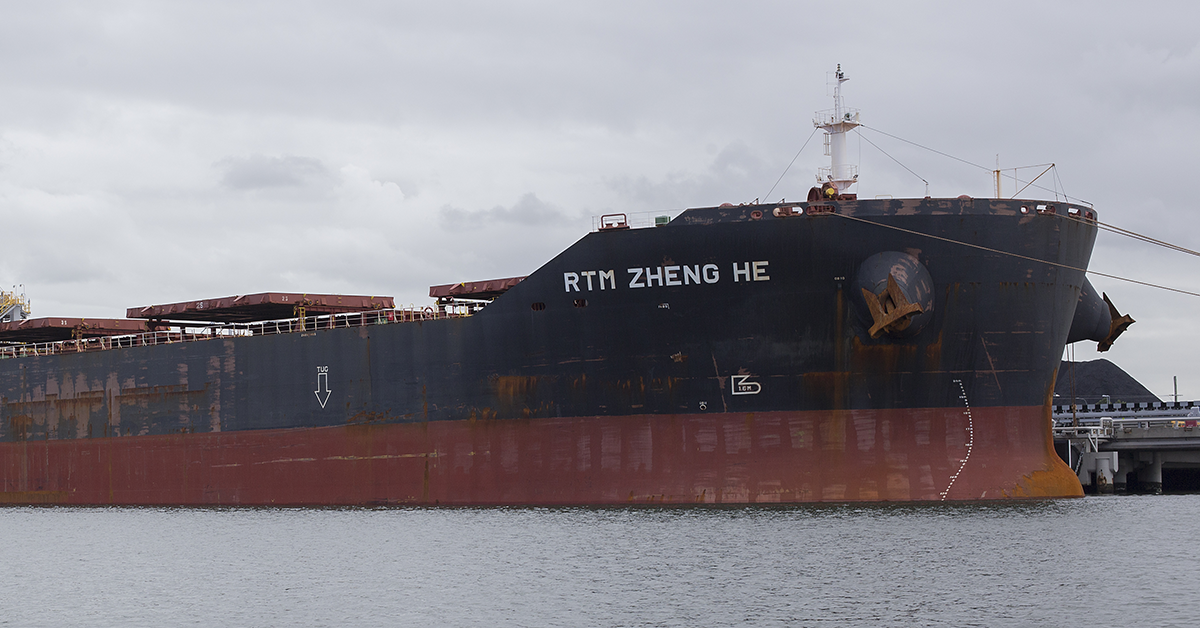
RIO TINTO has sold the last of its eight owned Newcastlemax bulk carriers, completing one of the largest single‑owner fleet disposals seen in the dry‑bulk market in more than a decade.
The move marks a strategic shift away from ship ownership and toward long‑term chartered tonnage as the miner prepares for new decarbonisation requirements and evolving IMO fuel standards.
The sell‑down, which began earlier this year, has seen five vessels acquired by Türkiye‑based Yasa Shipping, two by Swiss commodities trader Mercuria, and one by GTA Shipping, an affiliate linked to HNA Technology Group.
The disposals represent Rio Tinto’s first major bulker divestment in 14 years, reducing its owned fleet to just seven Supramaxes and two Panamaxes.
Yasa Shipping has taken the largest share of the fleet, acquiring five Newcastlemaxes formerly operating under the RTM prefix. The vessels have already been renamed and entered commercial service under Yasa’s growing long‑haul bulk portfolio.
The acquisitions significantly expand Yasa’s presence in the Newcastlemax segment at a time when demand for long‑haul iron‑ore carriers remains strong.
Two vessels were sold earlier in the year to Mercuria, continuing a trend of commodity traders increasing their control over freight capacity. The pair reportedly fetched around US$88 million, reflecting firm values for modern, high‑capacity bulk carriers.

The sell‑down aligns with Rio Tinto’s broader strategy to rely more heavily on chartered tonnage rather than owned ships. The miner expects to operate around 230 chartered vessels carrying 300 million tonnes annually by 2025.
Rio Tinto has also signed charter agreements with NS United Shipping for two methanol‑ready, dual‑fuel Newcastlemaxes due for delivery in 2028, signalling a pivot toward alternative‑fuel capability rather than investing capital in ageing assets.
The disposal program is expected to have several flow‑on effects for the Pilbara export chain:
More flexible chartering strategy may allow Rio Tinto to adjust vessel deployment in response to market conditions.
Reduced owned fleet shifts maintenance, crewing and compliance responsibilities to shipowners, freeing capital for mine and port investments.
Alternative‑fuel charter commitments indicate future demand for methanol‑ready or ammonia‑capable tonnage on Pilbara–Asia routes.
New owners may reposition vessels into different trades, potentially altering availability in the Western Australia–China iron‑ore market.
The sell‑down reflects a broader trend among major miners to avoid long‑term ownership of large bulk carriers as decarbonisation accelerates and fuel‑transition risks increase.
With the Newcastlemax fleet now fully divested, Rio Tinto’s freight footprint is increasingly defined by chartered vessels, fuel‑transition planning and partnerships with shipowners investing in dual‑fuel or alternative‑fuel designs.
Responding to a Daily Cargo News enquiry about the ship sales a Rio Tinto spokesperson said they didn’t comment on specific vessels or transactions. “We regularly review our marine portfolio as part of our asset management strategy to support our role as a major charterer, with a continued commitment to uplift marine safety and crew welfare,” they said.