Tale of the Toern, Albany's first whaler
-
Posted by Allen Newton
- |
-
30 Jun, 2025
THE LAST shore-based whaling station in Australia at Albany on the south coast of Western Australia held its final whale hunt in November 1978.
The closure of the whaling station brought to an end 178 years of whaling in the waters off Albany.
These days the whaling station has been reborn as a unique maritime museum telling the stories of that era, claimed to be the only complete whaling station tourism attraction in the world.
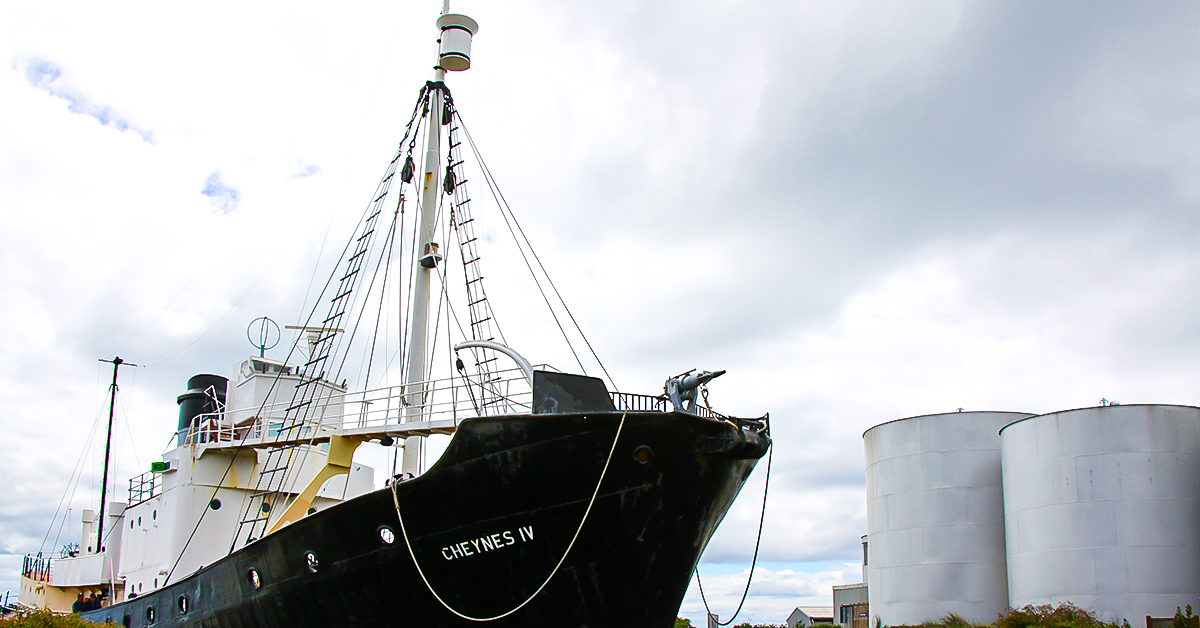
The centrepiece of the museum is the preserved Cheynes IV whalechaser.
Built in 1948 in Sandefjord, Norway, by A/S Framnaes M/V, it was originally named W. Fearnhead before being renamed and acquired by the Cheynes Beach Whaling Company in 1970.
It was the newest and last of the whale chasers used by the company, alongside Cheynes II and Cheynes III, and played a key role in the final years of commercial whaling in Australian waters.
Now, another historic story is set to be told in a unique maritime history project which will unveil the untold stories of the Toern, the first of the Cheynes Beach Whaling Station’s steam-powered whale chasers, and its voyage from Norway to Albany, Australia.
The journey, which took place in 1952, has been brought to life through the ship’s logbook and an interpretive exhibit at Albany’s Historic Whaling Station.
The project, Unlocking the Logbooks, was made possible by a grant from the Australian National Maritime Museum through their 2024 Maritime Museums of Australia Project Support Scheme.
The Toern’s historic voyage marked a significant moment in Australia’s whaling history. After arriving in Albany, the vessel was renamed Cheynes, and its logbook entries shifted from Norwegian to English, documenting the day-to-day activities aboard the ship as it operated in Australian waters.
The Toern was built in Oslo in 1929 by Akers Mekaniske Verksted, and used in Norwegian whaling operations. During World War II, it was repurposed by the Royal Navy as a minesweeper from 1942 to 1946.
In 1952, the vessel was purchased by the Cheynes Beach Whaling Company and sailed from Norway by Captain Rolf Elnan. Upon arrival, it was renamed Cheynes and became the first whale chaser in the company’s fleet.
It operated out of Albany until 1961, playing a foundational role in the early years of the Cheynes Beach Whaling Station.
After its retirement, the vessel was sold for scrap and ultimately scuttled in 1959 off the northern side of Michaelmas Island in King George Sound to form an artificial reef
Now the Toern’s logbooks have been digitised at the new state-of-the-art Digitisation Centre at the University of Western Australia and made available to historians, researchers, and community members.
The project also includes an interpretive display at the whaling museum, featuring content drawn from the first logbook, including images of the ship’s log entries with translations, a detailed route map, and archival photographs, narratives of its journey and beginning of the vessel’s service at the Cheynes Beach Whaling Station in Albany.
General manager of the whaling station, Jen Bane said the project was a significant opportunity to share an important piece of Western Australia's maritime history with the world.
“By digitising these logbooks, we are not only preserving the story of the Toern but also enhancing our understanding of the history of whaling and the people who lived it. Our goal is to offer new insights into the ship's journey, its role in the Australian whaling industry, and its legacy."