-
Posted by Allen Newton
- |
-
10 Jun, 2026
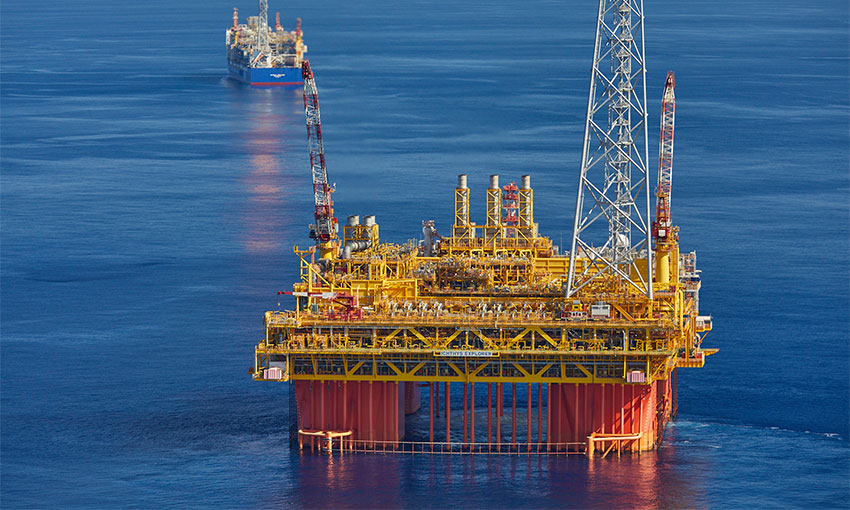
UNIONS are escalating industrial action across Inpex’s Ichthys LNG project — which spans offshore facilities in Western Australia’s Browse Basin and onshore processing operations near Darwin in the Northern Territory — warning of further disruption unless the company improves its enterprise agreement offer.
The Offshore Alliance — a partnership between the Australian Workers’ Union (AWU) and Maritime Union of Australia (MUA) — said workers had begun protected industrial action across all three Ichthys facilities after negotiations failed to resolve key claims on pay, conditions and job security.
The alliance said bargaining had delivered “significant progress” in recent talks but ultimately “fallen short on a number of fundamental claims”.
“Our Inpex members have had enough,” the union said, adding industrial action would continue until a “fair industrial outcome” is achieved.
Union leaders have been increasingly critical of the company’s approach to bargaining, arguing negotiations have stalled despite months of talks.
“The response from Inpex has been underwhelming and shows that the company is not taking the negotiations seriously,” the Offshore Alliance said.
Earlier, AWU assistant national secretary Chris Donovan said the company had failed to engage meaningfully with workforce claims.
“After six months of negotiations, Inpex has failed to agree to even the most basic claims put forward by its workforce,” he said.
“Workers who operate some of the most complex and high‑risk facilities in the country are being asked to accept an agreement that does nothing to address their concerns about pay, conditions and job security.”
The union argues the company’s offer risks eroding real wages and weakening job protections, including safeguards against outsourcing and redundancies.
The escalation follows a protected action ballot in which an overwhelming majority of workers endorsed strike measures, including work stoppages and bans. Workers have since implemented rolling stoppages and operational restrictions, with the alliance warning action will intensify.
“The strike measures will continue and intensify until Inpex presents a fair proposal,” the Offshore Alliance said.
Inpex has confirmed it has lodged an application with the Fair Work Commission seeking orders to suspend or terminate the protected industrial action.
A company spokesperson told Reuters the stoppages risked “significant disruption” to LNG supply and said Inpex had sought urgent intervention under the Fair Work Act to prevent further impacts on production.
Senior vice‑president corporate Bill Townsend told The West Australian Newspaper the company had made “considerable progress” in bargaining but that key issues remained unresolved. He said Inpex preferred to reach agreement through negotiation but the scale of the industrial action had prompted the company to act.
Mr Townsend said Inpex would continue to engage in good faith to achieve a “fair and equitable agreement”, adding the company remained committed to maintaining safe and reliable operations.
INPEX has previously maintained that its enterprise agreement offer is competitive and aligned with industry conditions.
The dispute is being closely watched by energy markets given Ichthys LNG’s scale, with the project producing about 9.3 million tonnes annually and supplying key Asian buyers. Any sustained disruption risks tightening global LNG supply at a time of heightened demand, particularly in Japan and other North Asian markets reliant on Australian gas exports.