-
Posted by David Sexton
- |
-
02 Jun, 2026
GROWING fleets of bulk handling machines are operating beyond their lifespan jeopardising the future of key exports, a new study reveals.
Australia exported some $132.3bn in goods in the March quarter, with mining contributing to 62% of revenue and 10% of Australia’s GDP.
But growing fleets of bulk-handling machines in export industries are operating beyond their lifespan and risking disruptions.
Professional services firm Hatch says with many original manufacturers no longer in existence or supporting the equipment, engineering knowledge, support and long-term maintenance capability is falling.
The gap is reported to be beginning to leave many operators stranded when their ‘orphaned assets’ fail.
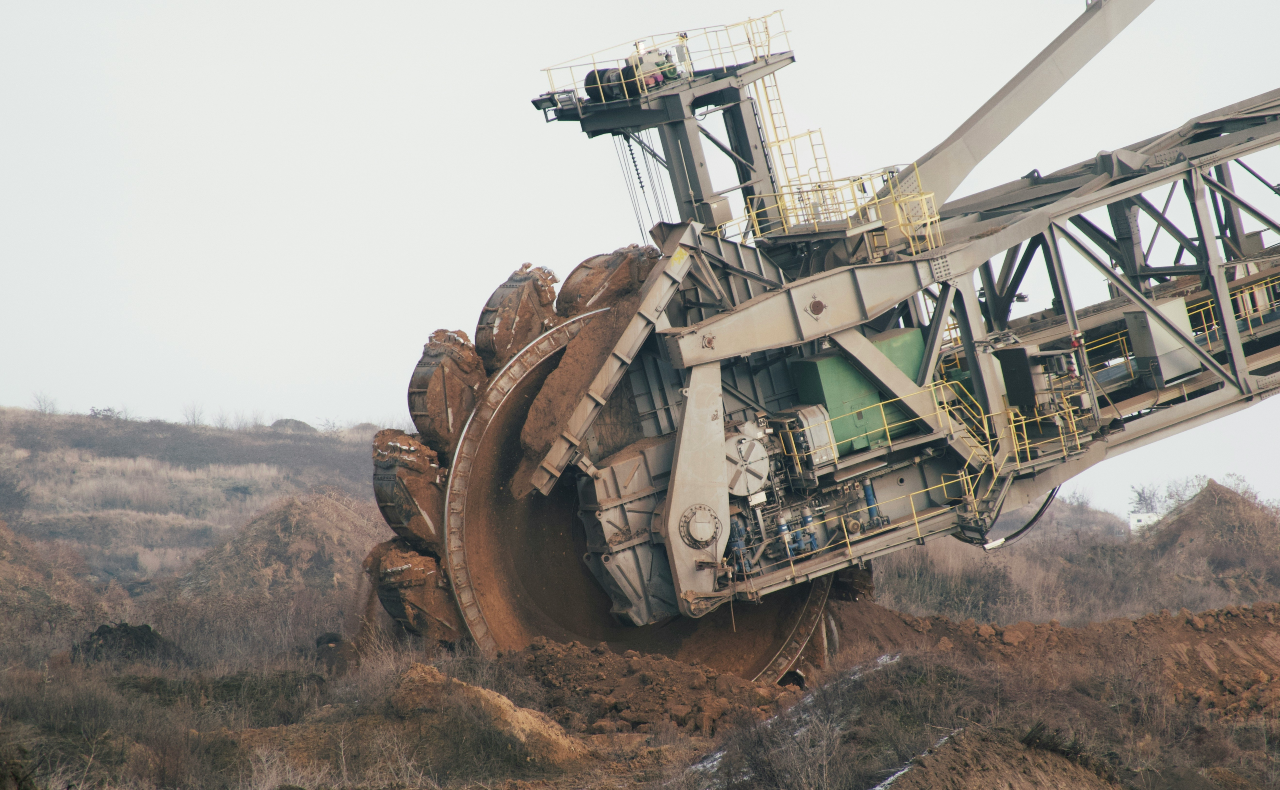
The issue is reported to be increasingly significant across mining, ports and heavy industry, requiring large and expensive machinery such as bucket wheel stacker-reclaimers and shiploaders.
When such machines fail or are unable to meet changing operational demands, the impact can quickly ripple through the economy.
Hatch’s Brisbane-based managing director of technologies, Simon Nitschke, and Matthias Goeing, Hatch’s director of bulk materials handling products in Germany, say many large bulk-handling machines were designed to operate for decades, but ageing equipment could sharply increase the risk of major structural or mechanical failures.
With operators increasingly managing ‘orphaned assets’, such failures could lead to significant losses.
Mr Goeing said important industrial knowledge was disappearing in Australia and globally.
“Over the past two decades, the number of original equipment manufacturers capable of supporting large bulk-handling systems has declined significantly,” he said.
“Many operators have reduced their in-house engineering teams over the past decade, which has caused a huge – and growing – loss of technical knowledge in the area.”
He noted workforce changes, including experienced engineering and technical specialists retiring across the sector and younger talent replacing them without the decades of legacy knowledge necessarily being passed on.
Mr Nitschke said across Australia there were “dozens of multi-million-dollar machines operating in mines and ports that were supplied by companies that no longer exist or no longer support older equipment”.
Hatch says the future will be less about replacing critical assets and more about adapting and modernising them.
“Not only to extend their life: bulk-handling machines were designed decades ago and operators are now having to adapt these machines to different throughput, loading conditions and other requirements,” the company stated.
A recent example involved the rebuild of a bucket wheel stacker-reclaimer. After a major structural failure, Hatch said it helped the operator understand the root cause and avoid a multi-million-dollar machine replacement via a rebuild.
As more ageing systems lose their original manufacturers, Hatch has predicted these solutions to play an increasingly important role in keeping Australia’s export supply chain moving.