
-
Posted by Allen Newton
- |
-
30 Sep, 2026
Australia’s isolation, so long a protection against biological threats, is under increasing pressure to defend itself from overseas intruders which could devastate agricultural industries. DCN takes a deep dive into those threats and steps being taken to counter them.
ON AIR, sea and land Australia’s biosecurity is constantly under threat.
While the current threat of H5 bird flu (H5N1) is making Australia’s poultry farmers and wildlife environmentalists anxious, bird flu is only one of several key biosecurity threats to agriculture.
At the time of publication bird flu had only impacted wild seabirds, but CSIRO’s Australian Centre for Disease Preparedness was keeping a close eye on the disease, holding confirmatory testing nationally.
Federal and state governments have activated surveillance, coastal monitoring and biosecurity response plans and have invested $113 million in preparedness and simulation exercises since 2024.
At our ports, biofouling — the build‑up of marine organisms on a vessel’s hull and niche areas — remains one of Australia’s highest‑risk pathways for the introduction and spread of invasive marine pests.
Once introduced, marine pests are extremely difficult to eradicate and can rapidly alter local ecosystems, displace native species and disrupt commercial fisheries, aquaculture and tourism.
The threat is not limited to international arrivals. Domestic vessel movements can spread established pests between Australian ports, particularly through small craft, offshore support vessels and aquaculture infrastructure. Poorly maintained hulls also increase the risk of chemical contamination: in‑water cleaning can release biocidal antifouling residues such as copper into port waters, affecting sediment quality and sensitive marine habitats. These combined risks make biofouling a priority issue for regulators and port authorities.
Agriculture is under threat from a range of destructive pests that hide away in container crevices with the grain industry particularly vulnerable.
There are breakthroughs, though being made in all these areas with new safer insecticides, in-water hull cleaning by WA-based environmental company Franmarine and more coordinated efforts in prevention from state and federal governments.
FOUR THREAT CATEGORIES
The highest risk pressures fall into four categories: animal diseases, plant pests, invasive species and system strain driven by global trade and climate shifts.
Animal disease risks are led by high‑path avian influenza (H5/HPAI), with national surveillance expanded under a new wildlife management agreement.
Plant pest threats continue to escalate, with industry‑defined High Priority Pests including khapra beetle, leafminers, borers and soil‑borne pathogens capable of causing major losses in grains, vegetables and horticulture. Climate change is increasing the likelihood of establishment and spread.
Articles in this feature
Invasive species and weeds remain a persistent pressure on pasture productivity and native ecosystems, with several species now listed as national established weed priorities.
Across all sectors, biosecurity system strain is a growing risk in itself. Rising import volumes, complex supply chains and labour shortages in inspection and veterinary services increase the chance of an incursion slipping through, but advances are being made to protect the country on many fronts.
New, safer pesticides are being made available for agriculture and treatments are a promising breakthrough, and governments are getting better organised to confront biosecurity issues.
NEW TECHNOLOGY
Australia’s biosecurity system is entering a new phase of technology‑driven reform, with digital tools that can strengthen detection, compliance and supply‑chain transparency.
Next‑generation fumigation‑monitoring technology, flagged by the Department of Agriculture, Fisheries and Forestry (DAFF) in early 2026 and safer insecticides are also making a difference.
Industry feedback shows strong support for real‑time digital sensors that can track fumigation conditions, automate compliance records and provide clearer visibility across offshore and onshore treatment providers.
While the upfront investment remains a barrier for some operators, the technology is widely viewed as a practical step towards safer, more consistent biosecurity treatment standards.
These tools sit within a broader national shift. Under the National Biosecurity Strategy, Australia is prioritising innovation in digital surveillance, rapid diagnostics, climate‑linked risk modelling and automated reporting systems.

The 2026 Monitoring, Evaluation, Reporting and Improvement Framework is now guiding research and investment towards technologies that can detect threats earlier, share data more efficiently and support faster operational responses across ports, freight corridors and agricultural supply chains.
The Association of Biosafety for Australia and New Zealand has highlighted emerging containment and laboratory technologies, alongside updated regulatory standards designed to support safer handling, testing and verification.
Australia’s biosecurity system is gradually shifting from manual, labour‑intensive processes to sensor‑based, digitally‑verified and data‑driven operations.
These new developments though are not Australia’s complete answer to biosecurity which is under mounting pressure from rising trade volumes, shifting climate patterns and increasingly complex supply chains.
HITCHHIKERS BIGGEST THREAT
Hitchhiker pests in sea containers remain the nation’s highest‑risk pathway, with khapra beetle still considered the most serious threat to grain exports and port‑side operations.
At the same time, enforcement agencies are dealing with record levels of non‑compliance across traveller, mail and cargo channels, while climate‑driven pest movement is expanding the range of tropical insects into new regions.
Significant enforcement activity in 2025, demonstrating ongoing issues with noncompliance with 280,000 consignments inspected, 359,000 travellers intercepted; 64 tonnes of illegal meat seized, 40,000 highrisk items detected by biosecurity dogs and major prosecutions for illegal imports of pork, fruit and plants.
Agriculture minister, Julie Collins
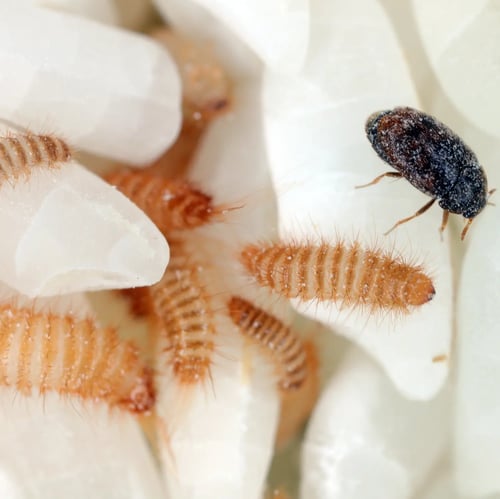
Khapra beetle and larvae. Image: Shutterstock
National reviews warn that emergency‑response arrangements, surveillance capacity and research investment must accelerate to keep pace with these risks. For ports and logistics operators, the challenge is clear: biosecurity threats are becoming more frequent, more mobile and more costly to manage, demanding stronger coordination across government, industry and frontline supply‑chain partners.
Federal agriculture minister, Julie Collins said there had been significant enforcement activity in 2025, demonstrating ongoing issues with non‑compliance with 280,000 consignments inspected, 359,000 travellers intercepted; 64 tonnes of illegal meat seized, 40,000 high‑risk items detected by biosecurity dogs and major prosecutions for illegal imports of pork, fruit and plants.
In April 2026 DAFF convened a meeting of state and territory agriculture ministers who agreed to a national reform agenda for the biosecurity system, issuing a joint statement that directs the National Biosecurity Committee to develop and consult on a comprehensive reform roadmap.
The proposed national reforms focus on strengthening Australia’s biosecurity system and include: continuing to deliver actions in the 2024-26 NBS Action Plan; making national biosecurity governance advisory groups more effective; improving readiness for emergencies including by creating a national preparedness framework; streamlining emergency arrangements governance; updating national research and innovation priorities; and developing a national investment priorities framework to align funding and resources with risk.
Australia’s biosecurity risk profile is shifting as climate change alters the behaviour, range and survival of key agricultural pests. The spread of varroa mite, the expansion of fall armyworm and the south ‑ and westward movement of tropical pests are now central concerns for national and state biosecurity agencies.
Warmer temperatures, longer summers and milder winters are creating conditions that allow pests to survive in regions that were previously inhospitable, while also increasing their persistence in storage and transport environments linked to ports and logistics.
PEST THREATS
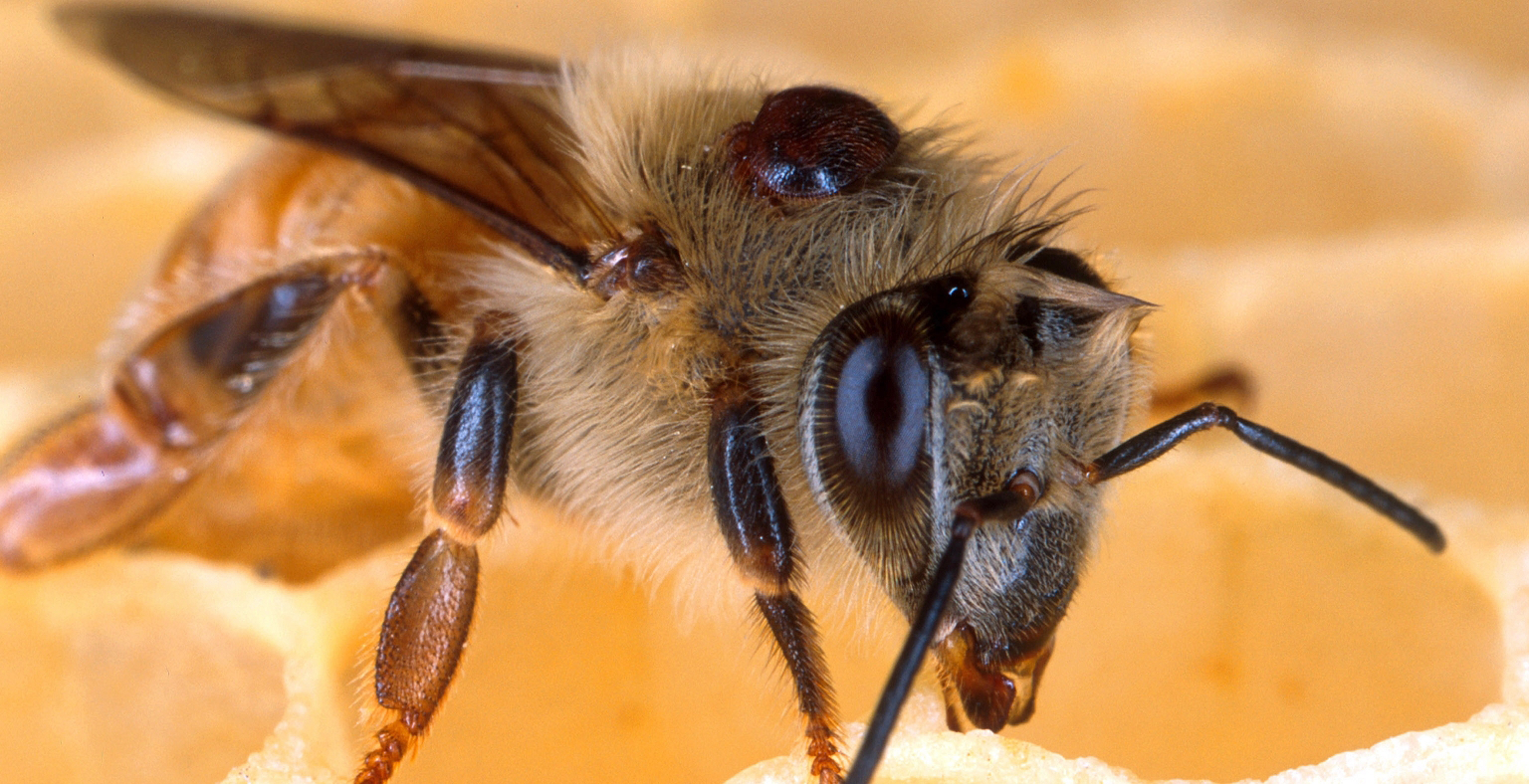
Varroa mite’s establishment on the east coast has shown how quickly a climate‑enabled pest can move through beekeeping, pollination and horticulture systems. Even though eradication efforts have ceased, the ongoing spread of varroa is reshaping pollination services nationally and increasing surveillance pressure on states that remain free of the pest.
Fall armyworm has rapidly expanded across northern Australia since its arrival in 2020, with climate conditions enabling it to push further south and west each year. Its ability to migrate long distances, survive in multiple host crops and adapt to warmer climates makes it one of the most challenging invasive pests for grain, horticulture and fodder producers. The pest’s movement is now a predictable seasonal threat, requiring constant monitoring and rapid response capacity.
A growing number of tropical pests — including fruit flies, storage pests and plant pathogens — are extending their range into temperate zones, moving south and west. Climate modelling shows that warming trends are reducing natural barriers that once limited their spread. Surveillance systems must now detect pests that were previously considered low‑risk in southern states.
Climate change is also increasing pest survival in supply‑chain environments. Warmer average temperatures inside containers, warehouses and transport hubs allow insects to persist longer in residues, packaging, grain dust and crevices. This is particularly relevant for hitchhiker pests such as khapra beetle, where survival rates rise sharply under warmer conditions. As trade volumes grow, these environmental shifts amplify the risk of pests entering through sea containers — already identified as Australia’s highest‑risk pathway.

AGAINST THE GRAIN
The most significant plant biosecurity threat in Australia is to the grain industry, ahead of horticulture, cotton, sugar and other crop sectors.
Dr Manoj Nayak, the science leader for broadacre biosciences and program leader for postharvest commodity protection within Queensland’s Department of Agriculture and Fisheries told DCN potential outbreaks of khapra beetle were his biggest concern.
Globally recognised, the stored‑grain entomologist specialises in insect ecology, resistance management and postharvest protection systems across Australia’s grain supply chain.
Dr Nayak’s work shapes national fumigation standards; resistance‑management strategies for phosphine and alternative fumigants; surveillance and diagnostic frameworks for high‑risk pests; modelling of pest survival in supply‑chain environments and best‑practice guidelines for bulk‑handling operators and containerised grain exporters.
Dr Nayak said because the khapra beetle could lie dormant for up to 10 years, it was of greatest concern to the grain industry, and significant investment was being made into technology to combat the bug.
Three Australian outbreaks have given him sleepless nights, including a discovery of larvae found in imported nappy pants and earlier outbreaks linked to fridges and highchairs which have triggered extensive tracing, fumigation and emergency measures across multiple states.
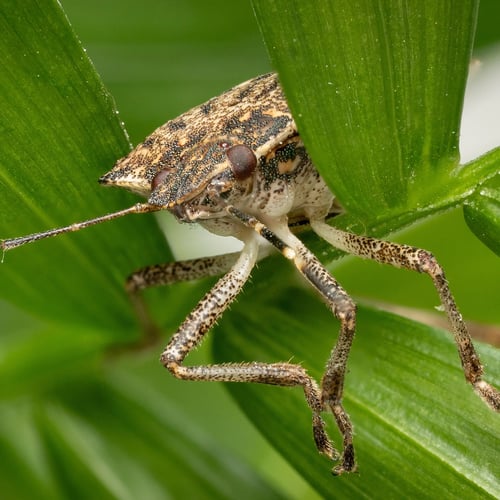
Brown marmorated stink bug. Image: Shutterstock
Another threat to Australian agriculture is the brown marmorated stink bug (BMSB), one of Australia’s highest‑priority biosecurity threats. It is a highly mobile hitchhiker pest that spreads via cargo, containers, vehicles, machinery and vessels, hiding in crevices and sheltered spaces during the northern hemisphere’s autumn and winter.
BMSB feeds on more than 300 plant species, including fruit trees, vegetables, broadacre crops and woody ornamentals. If established, the pest would be extremely difficult and expensive to manage, as it is not easily controlled with pesticides and can form huge overwintering populations.
BMSB is a seasonal hitchhiker, most frequently detected on goods arriving in Australia between September and April, aligning with the northern hemisphere’s overwintering period.
Australian ports and DAFF implement strict seasonal BMSB measures that are continually reviewed and adjusted based on real‑time detections and risk pathways each season.
Checking measures at border detection have so far kept another destructive sap-sucking pest, the yellow spotted stink bug (Erthesina fullo) out of the country. Listed as a National Priority Plant Pest the bug is a highly destructive, sap‑sucking pest native to East and Southeast Asia and considered a major biosecurity threat to Australia. While it is not present now, it has been found repeatedly at border detections.
FRONTLINE FREIGHT FORWARDERS
Freight forwarders and customs brokers sit on the frontline of Australia’s biosecurity system, acting as the first commercial interface for goods entering the country. They ensure consignments are correctly declared, risk‑assessed and compliant with import conditions before they reach the border. Their documentation, lodgements and early engagement with DAFF are often the first opportunity to identify biosecurity risks associated with cargo, packaging, origin or treatment status.
Major opportunities for improvement are not in the intervention required by DAFF, but in the quality of the evidence used to assess container risk and in the consistency in knowledge and technical depth of DAFF officers.
Susan Danks, Sue Danks Tariff Consulting
Susan Danks, director of specialist tariff consultancy and specialist customs brokerage, Sue Danks Tariff Consulting, believes that on the whole the biosecurity system is performing adequately at present.
“Inspection rates are relatively consistent, intervention levels and clearance timeframes are generally proportionate and there is no evident pattern of inspection failures or contamination issues arising across the consignments I’ve seen, or colleagues have mentioned to me. I’d suggest that the major opportunities for improvement are not in the intervention required by DAFF, but in the quality of the evidence used to assess container risk and in the consistency in knowledge and technical depth of DAFF officers,” Ms Danks said.
“Processing turnaround has substantially improved. Document processing through the Cargo Online Lodgement System (COLS) has been noticeably faster in my experience, and I understand that biosecurity assessment turnaround times have substantially improved, now typically running at one to three days. The test of whether that continues of course, will be whether it is sustained through peak season.
“I have not seen or heard of any increase in insect and pest detections, although have been advised of two instances reported by a colleague over a recent two-week period. Contamination, based on my own operational experience across the consignments handled, appears to be decreasing, although this should not be taken as an observation of anything other than my own experience, and not as a broad industry finding.”
Ms Danks said the system could be improved with several initiatives, including:
Reform of the Packing Declaration Process
“Although packing declarations consume a considerable amount of time across the supply chain, I’d suggest that it is questionable whether the current document-based approach consistently provides the department, importers or brokers with reliable evidence as to the actual condition of the container. This is because the use of standard templates tends to produce declarations completed as an administrative exercise rather than as a meaningful assessment of potential risk.
“In discussions with colleagues, I have had suggested to me that a more effective approach may be to require packers to take dated photographs of the container at the time of packing. Such a record could reasonably include: the internal container surfaces — floor, walls and ceiling; the container doors and the packed cargo, photographed prior to the container being sealed.
“Brokers would then be in a position to review the photographic evidence and form a considerably better-informed assessment as to whether a container should be referred to the department.”
Ms Danks said this does not need to replace packing declarations but is a suggestion for a more practical and independently verifiable risk-assessment tool than reliance on answers recorded in a standard declaration. “There are negatives to it of course as its usefulness would depend on the quality of the photos.
Training and Accreditation of DAFF Officers
“A recurring issue is the apparent variation in the experience and training of DAFF officers. In some cases brokers are required to provide considerable guidance or explanation to assist officers in interpreting documents, directions or operational circumstances.
“Additional technical and operational training for officers would be likely to improve consistency, reduce unnecessary referrals and requests for information, save costs and produce more efficient decision-making for both the department and industry.
“A related point arises at depot level. Where attending officers hold accreditation across only a limited range of commodities, a second officer must be booked to inspect the balance of the cargo. This delays release of goods that could and should be cleared by a single attendance. Broadening the range of commodities across which individual officers are accredited would remove an avoidable source of delay.”
Ms Danks said that while the current system is functioning adequately, and recent improvements in processing turnaround are worth acknowledging, the opportunities that remain are practical rather than structural: improving the quality of the evidence on which container risk assessment is based and strengthening the training of officers.
“Both would deliver benefits to DAFF and to industry without any reduction in the level of biosecurity protection,” she said.
This article appeared in the August | September 2026 edition of DCN Magazine