
-
Posted by David Sexton
- |
-
3 July, 2026
CALMER waters for ships visiting Australian ports are a likely outcome of a 2026 El Niño weather season, oceanographer Sarah Ruth Merrigan says.
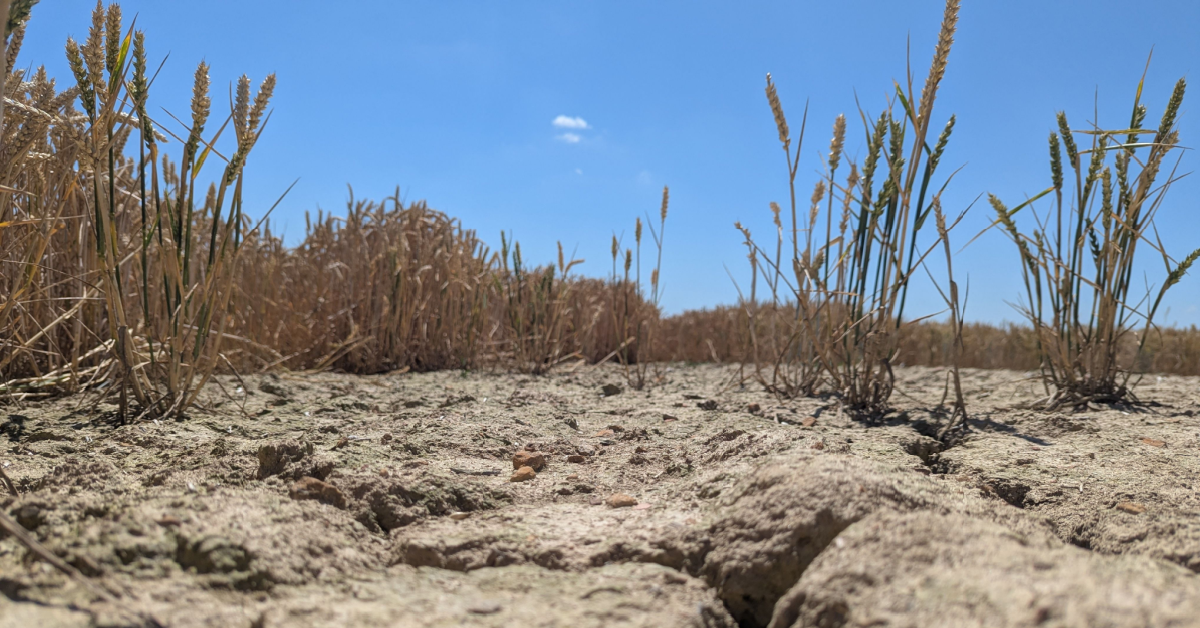
There is a downside, however, with the El Niño phenomenon, typically associated with drier conditions in Australia, tipped to impact production of bulk farm exports.
Dr Merrigan is the science engagement lead with Sofar Ocean, a California-based marine intelligence operation.
Sofar Ocean experts this week hosted a webinar about the impact of weather upon five major shipping corridors.
The webinar heard the eastern Pacific is forecast to see more tropical storms on the Mexico–Central America trade.
The Indian Ocean is said to face monsoon disruption with a weaker than normal monsoon in western India while East Africa is likely to see intensified rain and flooding.
Australia and Indonesia are likely to run drier, hitting some dry bulk exports.
"El Niño typically reduces rainfall across Australia, which cuts wheat production and means fewer cargoes leaving Australian ports,” Dr Merrigan said.
“Demand for Australian coal and liquefied natural gas exports to Asia is harder to call: milder winters would ease heating-driven demand, but hotter summers lift it again.
“Australia sees fewer tropical cyclones on average in El Niño years, particularly off the Queensland coast, and swell heights along the Australian coastline, especially along the southwest, typically drop.
“The trade winds are also likely to weaken, and for vessels working in and out of Australian ports that tends to mean calmer, more predictable conditions."
The National Oceanic and Atmospheric Administration (NOAA) declared El Niño conditions in June 2026.
The Atlantic is the one basin where conditions are expected to ease, as increased vertical wind shear suppresses hurricane formation.
With increased risk of drought and low water levels, the Panama Canal has the potential to be a global disruptor.
“Each corridor brings a different operational challenge,” said Sofar Ocean routing specialist Jessica Topal.
“Panama is the chokepoint most likely to force rerouting at scale, and 2023–24 showed how quickly that can spill out beyond Cristobal and Balboa.”