
-
Posted by Allen Newton
- |
-
24 Nov, 2026
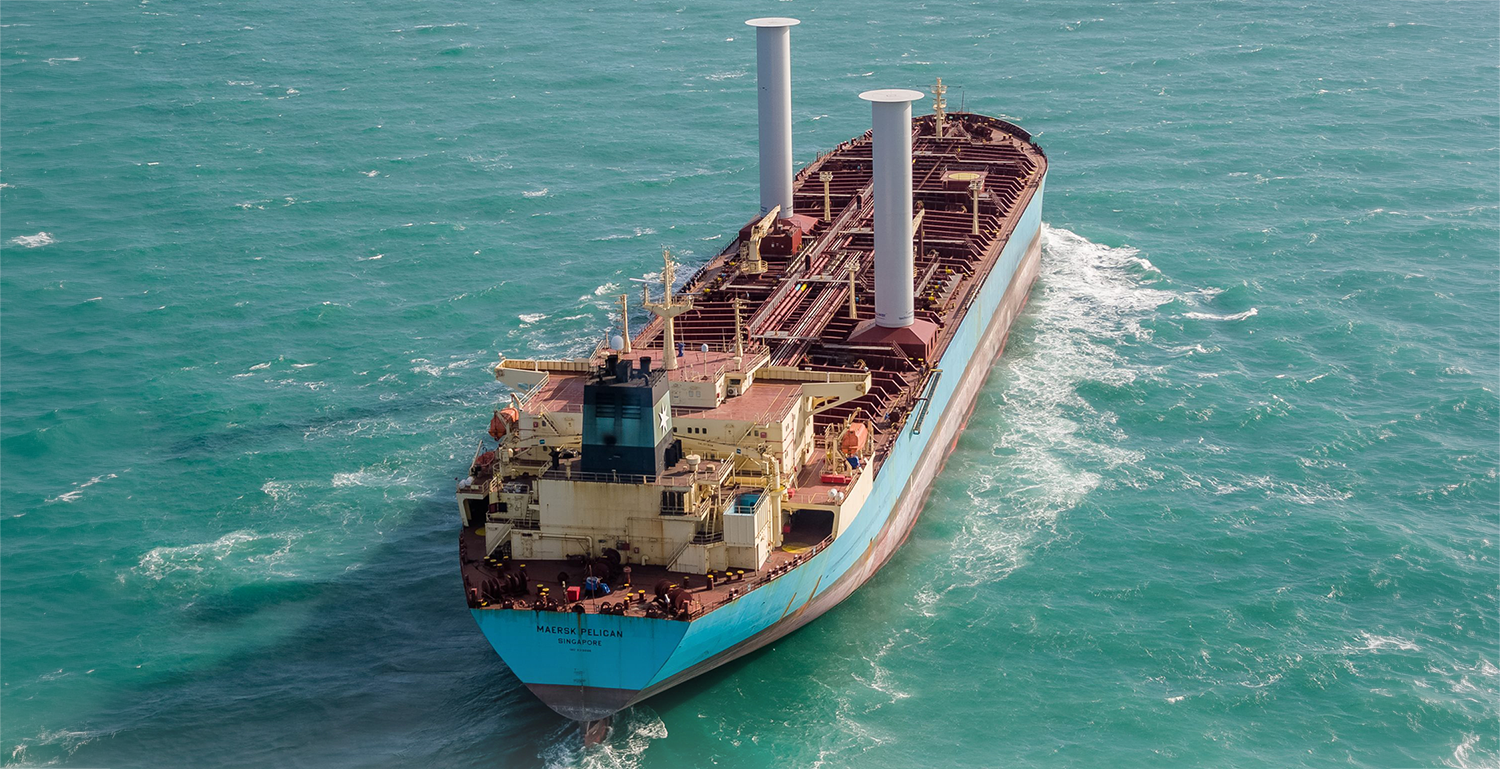
Wind-assisted propulsion could reduce Australia’s shipping fuel demand and ease the transition to alternative fuels, argues International Windship Association secretary-general Gavin Allwright, who says the technology belongs at the centre of maritime decarbonisation planning.
AS AUSTRALIA weighs multi-million‑dollar investments in methanol, ammonia and LNG pathways, one of the world’s leading wind‑propulsion advocates argues the country is overlooking the simplest green‑fuels lever of all: reducing fuel demand at the source.
Gavin Allwright, secretary‑general of the International Windship Association (IWSA), said wind‑assisted propulsion should be treated as a fuel‑shaping technology, not an environmental add‑on — a message he will bring to Australia during a short visit later this year.
“If we can take 20% off that nugget of alternative fuel that needs to be dealt with… that becomes a much easier nut to crack for the industry,” he told Daily Cargo News.
Rather than competing with green fuels, Mr Allwright argues wind propulsion makes them viable by shrinking the volume required, reducing exposure to volatile prices and easing pressure on future bunkering infrastructure.
A fuel‑demand problem, not just a fuel‑supply problem
Australia’s decarbonisation debate has centred on fuel switching. But Mr Allwright says this misses a critical step.
Wind assist, energy‑efficiency measures and voyage optimisation together can remove 40–60% of fuel demand before operators even consider alternative fuels.
“Energy security is really coming up as a prime narrative… and wind propulsion delivers that in spades,” he said.
Articles in this feature
Why wind belongs in Australia’s green‑fuels strategy
- Bulk trades are ideal candidates. Australia’s export profile is dominated by bulkers and tankers — the segments where wind assist has matured fastest.
- Coastal and regional routes are wind‑rich. Australia’s offshore conditions suit rotor sails and suction‑wing systems.
- Ports can integrate wind assist with minimal change. Concerns about windage and pilotage fade once ports gain experience. “You would never bring a ship under sail through a narrow passage,” he said.
- Green corridors need more than fuel switching. Australia’s East Coast–East Asia corridor will require genuine emissions cuts, not just alternative fuels.
The ROI equation
At a $600–700 fuel price, payback sits at three to seven years. In Europe, ETS and FuelEU Maritime have shortened paybacks to two to four years. Even without those costs, fuel volatility makes wind assist a rational hedge.
More than 100 large vessels now operate with wind‑assist systems, and global production capacity has reached 1000 units per year. Mr Allwright said the sector is entering a new phase as usable data becomes available.
A resilience tool, not just a climate tool
Pacific nations are already deploying high‑ratio wind‑propelled vessels because they lack alternative‑fuel infrastructure. “We need ships that can operate today… it’s not about the emissions,” he said.
For Australia, he argues, fuel independence is a resilience strategy.
Wind propulsion reduces demand, stabilises costs and makes every alternative fuel more viable. As Australia prepares for large‑scale investment in methanol, ammonia and hydrogen, Mr Allwright said wind assist should be a first‑order decision, not a late‑stage add‑on.
His visit later this year will focus on this message to shipowners, ports, regulators and researchers shaping Australia’s next decade of maritime energy strategy.
This article appeared in the October | November 2026 edition of DCN Magazine