-
Posted by Dale Crisp
- |
-
30 Oct, 2026
AN ENGINE room failure last May that saw three engineers injured, two with serious burns, in the New Zealand port of Bluff highlights the need to recognise when changed conditions make familiar work more hazardous and to reassess risks before continuing.
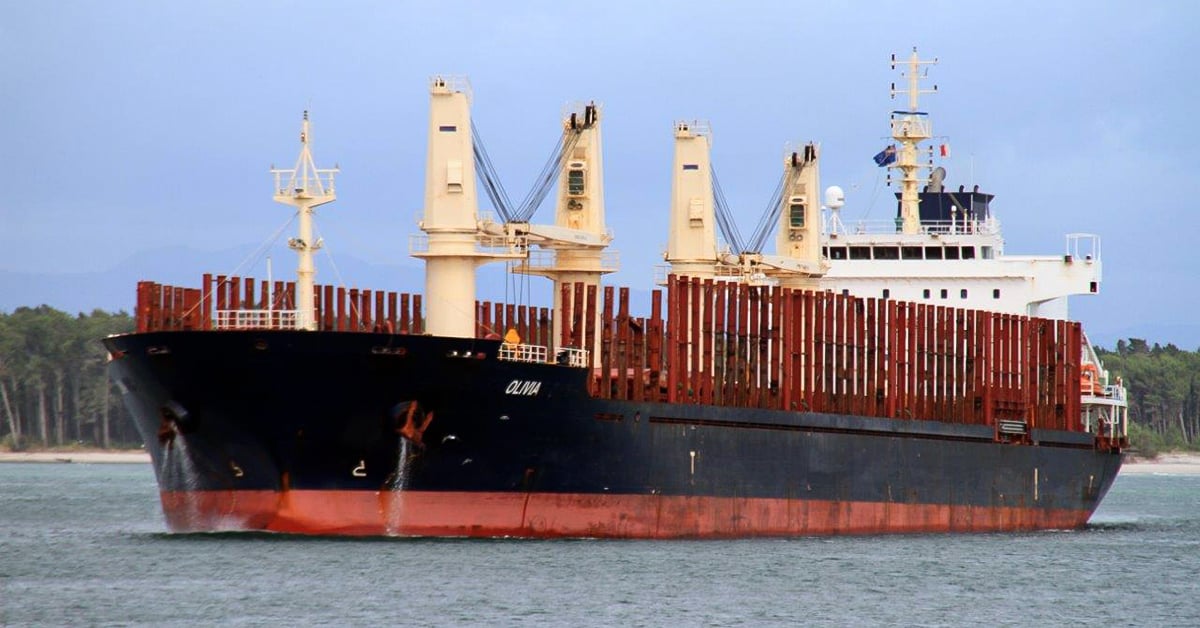
The NZ Transport Accident Investigation Commission's final report issued today [30 October] details the unfortunate situation aboard the handysize Maltese-flagged bulk carrier Olivia on which mandated repairs were underway.
The 20,928 GT, 2013-built vessel was owned at the time by Neco Maritime, commercially managed by Turkish company GSD Denizcilik Gayrimenkul and under the technical control of Fleet Management of Hong Kong. Several months after the incident it was sold to Chinese buyers and now sails as Bao Shine under the HK flag.
Olivia had arrived at Bluff on 23 April 2025 after engine and generator problems at sea. Maritime NZ required satisfactory repairs before the ship could leave. All three generators needed extensive refurbishment, extending a planned five-day port stay to more than a month, TAIC reports.
The operator, Fleet Management Limited, provided additional people and technical support. Engineering work ran around the clock in 12-hour shifts. Most resources and senior engineering expertise were assigned to the day shift for generator repairs; three staff on the night shift were assigned routine cleaning and preparation tasks for the next day shift's activities.

On the night of 23 May, the boiler burner failed. Repeated attempts to restart it had failed and one had caused a blowback with nobody hurt. To fix this, the engineering team decided that accumulated soot should be cleaned from inside the boiler.
In the early hours of 24 May, the night crew used an air lance & a long tube connected to a compressed air hose & to direct a jet of air to blow away soot or other deposits. Unlike the usual cleaning task at sea, when the boiler would have cooled for days, the furnace was still hot and contained residual fuel. No objective check confirmed that it had reached a safe condition.
At about 0255, a blowback threw the three crew backwards. Two sustained serious burns and the third suffered bruising. All three were taken to hospital.
TAIC found the initial burner failure was likely due to a combination of a malfunctioning air-intake flap, a faulty ignition transformer and accumulated soot. And it is likely that heated soot was inadvertently disturbed as the air lance was withdrawn, igniting residual fuel inside the furnace.
"It is very likely that senior engineering officers were fatigued, adversely affecting decision-making. A telephone discussion with the chief engineer, who had been asleep, very likely hindered a shared understanding of the proposed cleaning work and the controls required," TAIC stated.
"The safety management system included controls for unplanned work and boiler maintenance, but they weren’t being used. The crew discussed tools and the cleaning sequence but did not reassess the changed conditions of having to work on the failed furnace which was still hot."
Takeaway
Recognise changed conditions, stop and reassess. Isolate the furnace and verify safe cooling before internal cleaning. Where a generic assessment does not cover the task, involve people with the technical knowledge and authority to assess the actual risks.
TAIC found the operator’s safety management system lacked guidance for managing crew during sustained periods of intensive work. Resources were concentrated on the generator repairs. The night shift lacked capacity to plan and supervise the unexpected higher-risk task and some senior personnel worked beyond their scheduled hours.