
-
Posted by Sanjoy Paul
- |
-
8 July, 2026
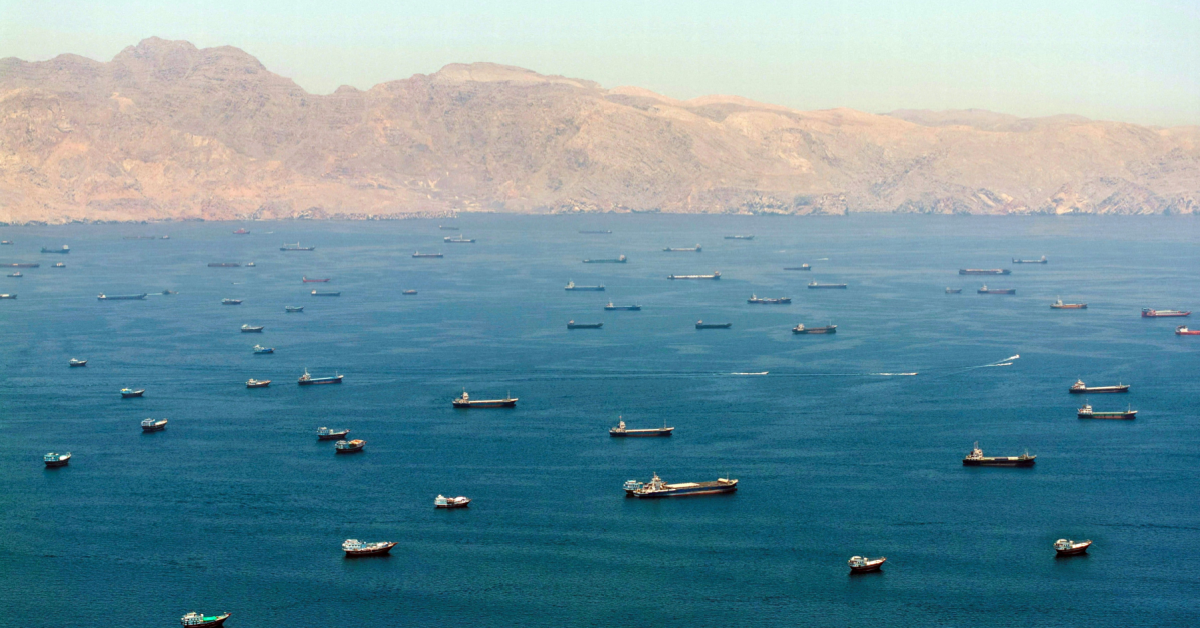
FOLLOWING the memorandum signed between the USA and Iran to end the war, the Strait of Hormuz is expected to reopen for commercial vessels with the hope that the global oil supply soon will be normal. It remains uncertain how long it will take to recover fully and have oil being shipped through the Strait at pre-war levels. During the four-month closure of this vital shipping route, however, global supply chains have learned key lessons that should be carried through in future planning and decision-making.
1. The supply base should be diversified.
About 20% of global oil demand transits through the Strait of Hormuz. Many countries, such as China, Singapore, Japan, and South Korea, heavily rely on crude oil passing through this Strait. The closure of this Strait should make them realise how critical it is to have an expanded supply base. The flow-on effect for Australia is substantial, as it relies heavily upon refined oil from some of these countries. During the disruption, several alternative supply sources, such as Canada and Brazil, have been more activated and supplied crude oil globally to manage the shortages. In the future, these diversified supply sources should continue to be utilised in planning and decision-making, and reduce the reliance on a limited number of sources.
2. Dependency on a single chokepoint is a threat to normal operations.
There are several chokepoints in our global shipping network, such as the Strait of Hormuz, the Suez Canal, the Bab el-Mandeb Strait, and the Strait of Malacca. Supply chain planning should be (re)optimised and (re)planned considering the shipment through these key chokepoints. It is important to know the impact of a disruption or closure in a chokepoint on the entire supply chain operations. Accordingly, the planning and decision-making should be restructured.

3. Establishing alternative transportation routings is very crucial.
A key lesson from this long-lasting closure of the Strait is that alternative transportation routings are crucial. In this particular case, several source countries, such as Saudi Arabia and the United Arab Emirates, utilised pipelines to bypass the Strait of Hormuz. However, the limited capacities of pipelines and port infrastructure hinder the ability to obtain the full benefits. Source countries should focus on improving the capacities of pipelines and port infrastructure and continue to utilise them for future transportation of oil to bypass the key chokepoints. An alternative option improves supply chain resilience and helps manage the disruption more effectively.
4. Scenario planning should be done proactively.
Supply chain plans should be very dynamic due to changes in the external environment. Considering the different possible scenarios in the supply chain, such as supply capacities, disruptions in the network, and supply shortages and delays, proper planning should be done for appropriate decision-making. Proactive scenario planning helps understand the impact of potential disruptions and supports the development of alternative strategies.
5. A strategic reserve or buffer is a key strategy.
A reserve of oil for more than 90 days, as per the guidelines from the International Energy Agency, is crucial to ensure enough buffer during a shortage of supply. More reserve would be better. Some countries have a reserve of oil for more than 160 days. Australia has a reserve of around 35-40 days. A lack of domestic infrastructure could be a bottleneck to improving the reserve for many countries. The government and private sector should work together to expand the infrastructure to improve the capability to store oil.
6. Investing in improving domestic capabilities for efficient refineries.
Even though crude oil can be sourced from multiple sources, it is important that local refineries can process it. For example, Australia’s refinery capacity is about 20% of national demand. It means Australia needs to import the remaining 80% of refined oil from overseas countries. To manage future supply disruptions, Australia should focus on improving domestic capabilities for efficient refineries to contend with global competition, along with diversified supply sources for crude oil. It applies to many other countries that heavily rely on imported refined oil.
7. Expediting the transition to renewable energy.
Indeed, we can’t fully rely on renewable energy sources. However, we can reduce the demand of oil through transitioning toward electrifying transportation, logistics, and manufacturing operations. It will help the management of oil supply chains more effectively. Supply chain practitioners occasionally forget the lessons learned when a crisis is over. However, it is worthy to take a note of the lessons learned and applying them to future supply chain planning and decision-making.