-
Posted by Sunil Krishnakumar
- |
-
03 Sep, 2026
AS SHIPPING accelerates its transition towards lower and zero greenhouse gas fuels, the industry is entering one of the most significant periods of operational change in its history. Methanol, ethanol, ammonia, hydrogen and biofuels all have a role to play in helping shipping meet the ambitions set out in the IMO's greenhouse gas strategy. Yet while these fuels may reduce emissions, they also introduce new and unfamiliar safety risks that must be carefully understood, managed and regulated.
This is the safety paradox of decarbonisation. The very fuels and technologies designed to support shipping's path to net zero can also create new hazards for vessels, crews, ports and supply chains. This should not be seen as a reason to delay progress. Rather, it is a reminder that innovation must be matched by robust safety governance, practical procedures and effective crew training.
A new safety equation
The uptake of alternative fuels, particularly those with zero or near-zero greenhouse gas emissions, will be critical to achieving international decarbonisation goals. However, with the exception of drop-in options such as some biofuels, these fuels require fundamental changes to ship design, machinery, bunkering infrastructure, and onboard operating procedures.
The International Renewable Energy Agency estimates that more than half of the world's zero-carbon fuel trade could be transported by sea by 2050.
At the same time, shipping is facing growing pressure to decarbonise. Although the sector accounts for less than three per cent of global carbon dioxide emissions, demand for lower-carbon shipping is increasing from regulators, cargo owners, charterers, financiers and insurers alike. Green financing initiatives and emissions-linked insurance incentives are adding further momentum to the transition.
For some sectors, the move to alternative fuels will be easier than for others. Ships operating on fixed schedules and established routes are generally better positioned to invest in alternative fuel technologies because they can plan bunkering around ports with the necessary infrastructure and secure longer-term fuel supply arrangements. By contrast, vessels operating in tramp trades may find it more challenging to justify the significant investment required for retrofits or newbuilds when fuel availability remains uncertain.
Alternative fuels are also expected to become an important part of global energy trade. The International Renewable Energy Agency estimates that more than half of the world's zero-carbon fuel trade could be transported by sea by 2050. In some cases, vessels carrying fuels such as ammonia or hydrogen may ultimately be able to use those cargoes as fuel, creating new opportunities while also introducing additional safety considerations into vessel design and operation.
While the shipping industry has extensive experience transporting many of these substances as cargo, using them as fuel creates an entirely different set of challenges. Practical experience will be essential in understanding how these fuels behave in everyday operations and in shaping future safety frameworks.
Risk assessment
Each fuel presents a distinct risk profile.
Methanol is one of the most mature alternative fuel options currently available, but it still presents hazards. It is toxic if ingested, highly flammable and burns with an almost invisible flame, creating challenges for detection and firefighting. It requires dedicated safety procedures and detection systems. In comparison, ethanol has low acute toxicity, but needs careful consideration based on its high flammability, low flashpoint and corrosive effect on certain materials.
Ammonia introduces different concerns. It is highly toxic to humans and marine life, corrosive, and potentially dangerous even in relatively small quantities if released. Crew exposure, leak prevention and emergency response planning are therefore critical considerations. The operational risks associated with ammonia demand robust safeguards and well-developed response procedures.

Hydrogen brings another set of challenges. It is extremely flammable, difficult to contain and must be stored at cryogenic temperatures of around -253°C in liquid form. This creates risks associated with leaks, material embrittlement, fire and explosion. Safe handling requires specialised systems and crews trained in cryogenic operations.
Even biofuels, often viewed as a simpler solution because some can be used as drop-in replacements, require careful attention. Variations in quality and stability can affect performance and create operational challenges if not properly managed.
In many respects, these products could be considered hazardous chemicals first and fuels second. Understanding their physical and chemical properties is fundamental to managing the risks associated with their adoption.
Evolving regulation
The regulatory landscape is evolving, but maturity varies significantly across fuel types. Interim IMO guidelines currently exist for methanol and ethanol, ammonia, and hydrogen. Among these, methanol has benefited from greater operational experience, enabling regulators and industry stakeholders to refine safety requirements based on real-world use.
Class societies such as ABS, Lloyd's Register and DNV have also published interim rules for vessels using alternative fuels. However, while guidance for methanol is increasingly developed, ammonia and hydrogen frameworks remain less mature and often rely on project-specific risk assessments.
Several important gaps remain. For ammonia, questions around toxicity management, leak response and crew exposure continue to evolve. For hydrogen, challenges include cryogenic storage, leak prevention, material compatibility and fire safety. Addressing these issues will be essential if alternative fuels are to move beyond pilot projects and achieve widespread adoption.
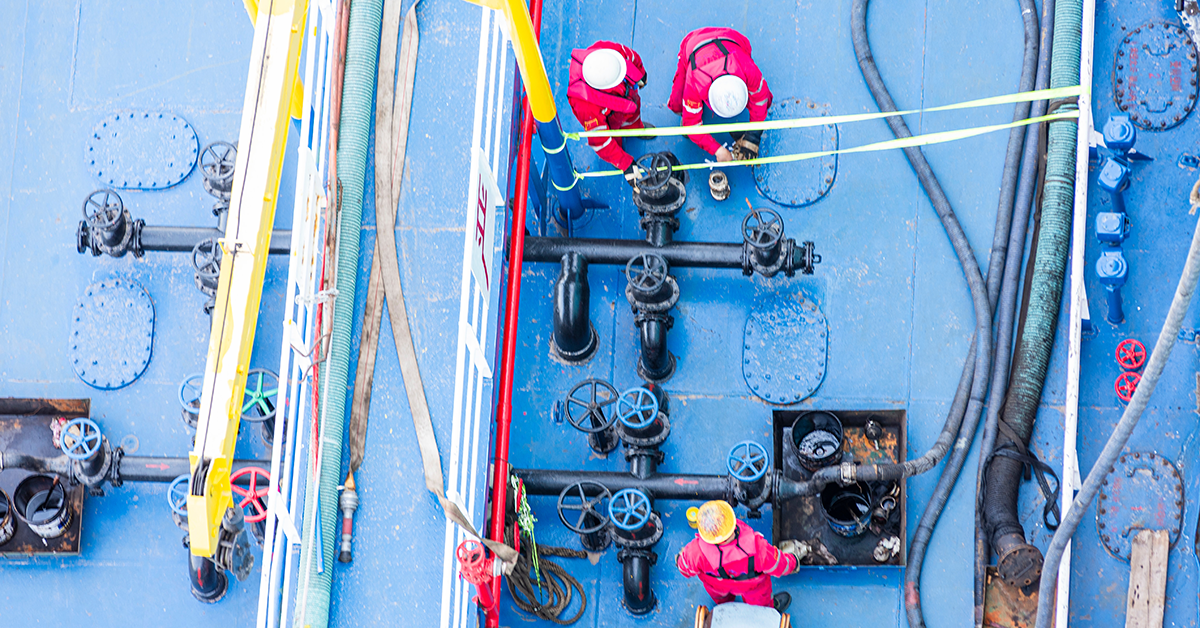
Alongside regulatory development, there are significant operational implications. Crews must adapt to new bunkering procedures, enhanced monitoring requirements and different emergency response protocols. Traditional firefighting and spill response methods may not always be appropriate. Existing drills and contingency plans will need to evolve to reflect the characteristics of each fuel.
Training shortfalls
From a training perspective, the industry is only partially prepared. LNG and methanol are supported by more established regulatory frameworks and training pathways. Ammonia and hydrogen, however, remain at a relatively early stage of adoption, with training often limited to pilot projects or vessel-specific programmes. This leaves crews facing unfamiliar hazards without the same maturity of standardised procedures that currently exist for conventional fuels.
Crews must be properly trained, equipped and supported by procedures that are fuel-specific, practical and regularly tested.
This is where practical guidance becomes particularly important. As new fuels enter service, operators need resources that translate emerging regulations into practical onboard procedures. The International Chamber of Shipping's Deck Procedures Guide reflects this changing operating environment by providing guidance on alternative fuels and emerging technologies.
As crews encounter hazards ranging from ammonia toxicity to hydrogen’s cryogenic risks and methanol's invisible flames, clear guidance on bunkering, fuel handling, emergency response and personal protective equipment becomes increasingly valuable. Such resources help bridge the gap between regulatory requirements and day-to-day operations onboard.
Ultimately, decarbonisation will not be delivered safely through technology alone. Success will depend on people. Crews must be properly trained, equipped and supported by procedures that are fuel-specific, practical and regularly tested. In this respect, industry guidance plays an important role in supporting safe adoption and promoting consistency across the sector.
There are also practical measures operators can take today. Training programmes should go beyond theory and include realistic exercises covering bunkering, leak detection, emergency response and fuel-specific hazards. Vessels should undertake comprehensive hazard identification and risk assessment processes, such as HAZID (Hazard Identification) and HAZOP (Hazard and Operability Study), to ensure both vessel design and operating procedures adequately address the risks associated with each fuel.
Collaboration will also be essential. Operators, class societies, flag states and regulators must continue sharing lessons learned from pilot projects and early deployments. Equally important is the development of a strong safety culture onboard, where crews are encouraged to report near misses, raise concerns and engage actively in risk management.
Safety transition
Looking ahead, the industry's experience over the next three to five years will help shape future regulation. Operational data from early adopters is expected to inform updates to IMO guidelines and class society rules, with many interim requirements eventually finding their way into mandatory international frameworks. Future safety frameworks are also likely to expand beyond a traditional focus on flammability to include greater consideration of toxicity, cryogenic risks, environmental impacts and human factors.
The direction of travel is clear. Shipping must decarbonise, and alternative fuels will be a critical part of that journey. However, the transition cannot be viewed solely through the lens of emissions reduction. It must also be supported by operational readiness, effective regulation and a comprehensive understanding of the new risks these fuels introduce.
Safety and sustainability must advance together. The industry's route to net zero will only succeed if innovation is matched by robust safety frameworks, practical guidance and continuous operational learning. Resources such as the ICS Deck Procedures Guide will continue to play an important role in helping operators translate evolving requirements into safe and effective operations. Decarbonisation is not just a fuel transition. It is a safety transition too.