
Pilbara Aboriginal Strike anniversary recognises maritime impact
-
Posted by Allen Newton
- |
-
04 May, 2026
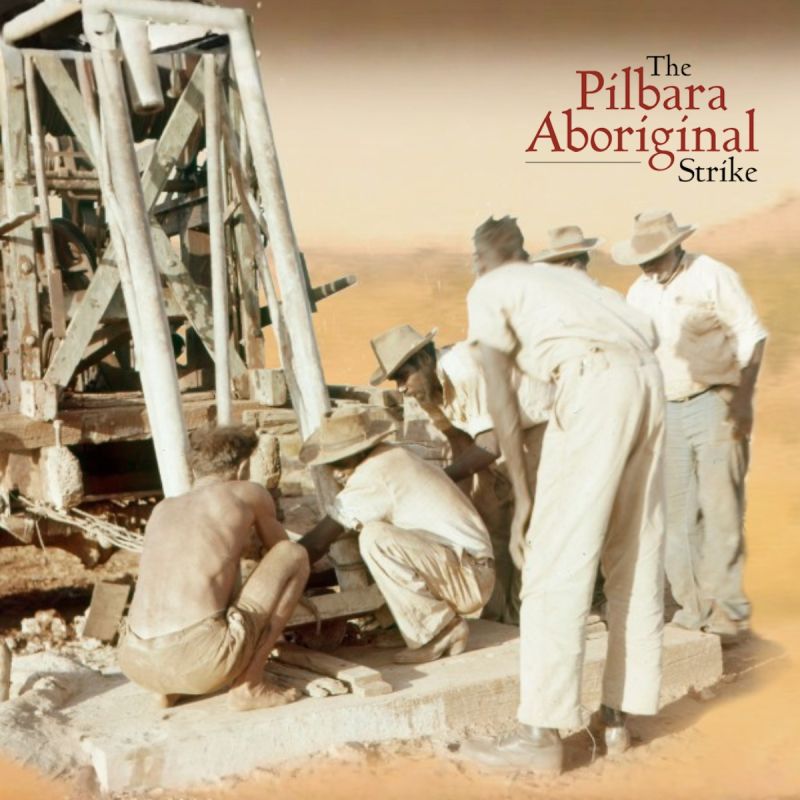
PILBARA Ports has celebrated the 80th anniversary of the Pilbara Aboriginal Strike which helped pressure government to improve conditions for Aboriginal workers.
The 1946 to 1949 strike marked Aboriginal pastoral workers across the Pilbara walking off stations to protest unfair pay and harsh working conditions.
The Seaman’s Union of Australia, the Anti-Fascist League, the Committee for the Defence of Native Rights, the Council for Aboriginal Rights, and the Communist Party of Australia, threw their weight behind the strike to bring national attention to improving conditions and the release of imprisoned strikers.
In a LinkedIn post Pilbara Ports said the actions of the strikers demonstrated strength, unity and determination.
“Most importantly, the Pilbara Strike helped to lay the foundations for future Aboriginal rights and land rights movements,” the post said.
It marked what Pilbara Ports said was a very important day, as it plays a significant part in the history of places where Aboriginal workers gathered, organised and were supported by the maritime union.
The strike helped forge alliances between Aboriginal workers and maritime unions, particularly, the Seamen’s Union of Australia and the Waterside Workers’ Federation and had direct and lasting consequences for the maritime sector, especially in WA’s north.
During the strike these unions refused to load “black‑banned” wool from struck stations, provided material support and fundraising and amplified the strike nationally laying the groundwork for later union‑backed campaigns for Aboriginal rights, including equal wages in the 1960s.
The Pilbara in the 1940s relied heavily on coastal shipping for wool and livestock exports, delivery of supplies to remote stations and movement of labour and goods between ports such as Port Hedland, Cossack, Onslow and Broome.
With hundreds of workers withdrawing their labour, pastoral output collapsed, reducing cargo volumes through northern ports which forced irregular shipping schedules, reduced coastal freight, and increased reliance on government‑controlled transport to maintain essential supplies.
For small northern ports, the strike was one of the earliest examples of how labour movements inland could ripple through maritime logistics.
After the strike, Aboriginal groups in the Pilbara formed co‑operatives that mined mica, alluvial tin and other minerals, which required negotiating freight access, chartering small vessels and exporting minerals through Pilbara ports.
It was the first time Aboriginal groups in WA engaged directly with maritime trade as independent economic actors and marked a shift from being labourers in a colonial supply chain to participants in regional export logistics.
The strike highlighted the vulnerability of WA’s northern supply chains and contributed to later government interest in modernising Pilbara ports, improving labour conditions in remote industries, and recognising the economic role of Aboriginal communities in regional development.
While indirect, it helped shape the social and industrial landscape in which the modern Pilbara maritime economy — iron ore, LNG, coastal shipping — eventually emerged.