-
Posted by David Sexton
- |
-
06 May, 2026
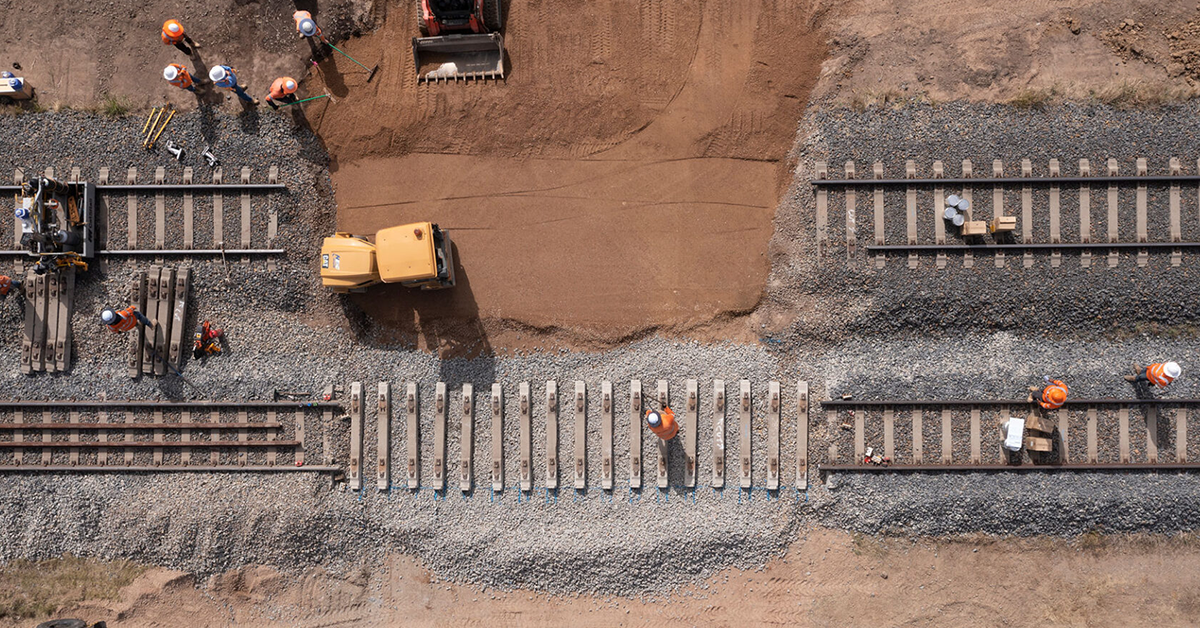
INDUSTRY has broadly supported the federal government’s move to pause construction of Inland Rail beyond Parkes while redirecting money elsewhere in the rail freight network.
However, key industry figures say the connection with Queensland eventually should be built.
Pacific National chief executive Brett Grehan backed the focus on improving the performance and capacity within the ARTC network, while emphasising the importance of Inland Rail as a long-term investment for Australia.
“The ARTC interstate network is a critical national infrastructure asset that needs sustained, long-term investment.
“Inland Rail to Queensland continues to be a transformational project for east coast freight and national supply chain resilience,” Mr Grehan said.
“We recognise the government’s decision to pause delivery and prioritise investments that deliver near-term benefits and expect that the preservation of the rail corridor will ensure the future delivery of the Inland Rail project.”
Aurizon managing director and chief executive Andrew Harding said the federal government decision to pause work on the Inland Rail was prudent and fiscally responsible.
“Prioritising improving the existing network makes sense and will deliver more immediate benefits to the national economy,” Mr Harding said.
“Of course, we would like to see Inland Rail completed at some stage, but while there still remains uncertainty around the cost and elements of the project, the focus for now on preserving the corridor north of Parkes is a sensible decision that will help facilitate construction in the future.”
The Queensland government was critical, however, transport minister Brent Mickelberg declaring the Commonwealth’s decision as “disappointing and shortsighted”.
“This is a lost opportunity to support Australian produce, recent events have been a reminder of how fragile supply chains are,” Mr Mickelberg told DCN.
“Now is the time to be strengthening [supply chains], not eroding them.”
Chief executive of the Australian Logistics Council, Hermione Parsons, welcomed additional funds for the ARTC network, while maintaining the Parkes decision reflected cost realities.
“Beveridge to Parkes provides a defined and deliverable section of the network," Dr Parsons said.
"The decision north of Parkes is also important. Preserving the corridor and protecting terminal sites keeps the pathway open.
“Extending that connection into Queensland, including to Toowoomba, remains strategically important to completing a national freight network.”
Dr Parsons said the establishment of a dedicated coordinator within ARTC was also welcomed.
“The network does not operate in silos. Coordination across infrastructure managers is essential for harmonisation.”
Chief executive of the Australasian Railway Association, Caroline Wilkie, said while they understood the impact of project cost escalations, full completion of the route must remain on the agenda.
“Whilst the rail industry still strongly supports the completion of the Inland Rail project, we recognise that the escalating projects costs need to be balanced against broader infrastructure priorities,” Ms Wilkie said.
“We welcome the continued preservation of the rail corridor and intermodal sites to ensure we can get this project back on track in the future.
“Inland Rail remains an essential project for Australia’s freight network and the industry is committed to completing its delivery to Parkes.
“The ARA will now engage with government to identify what additional investment is required on the ARTC east coast network to address the impact of Inland Rail not being completed to Brisbane.”