
Tariff story “not over” despite US Supreme Court IEEPA ruling
-
Posted by David Sexton
- |
-
23 Feb, 2026
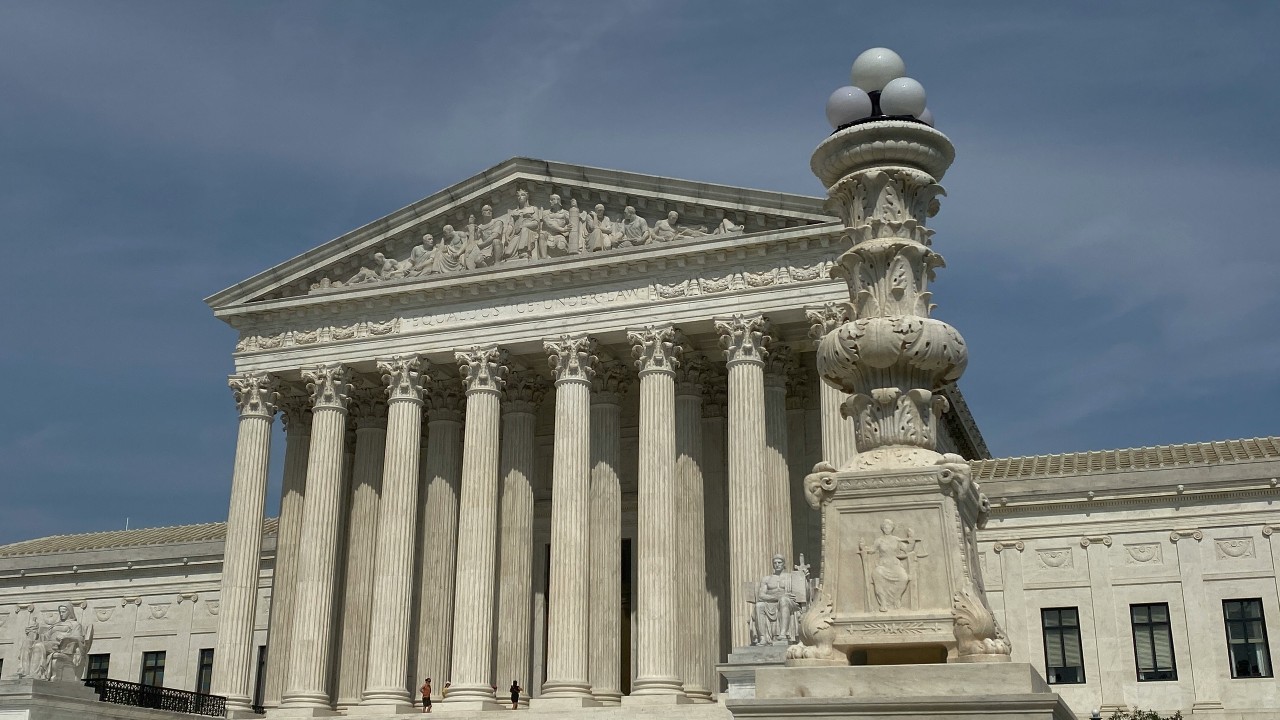
A RULING by the US Supreme Court to strike down President Trump’s proposed International Emergency Economic Powers Act (IEEPA) raises more questions over tariff policy, analysts say.
In a 6 to 3 majority decision the court ruled the IEEPA Act did not authorise the President to impose tariffs during peacetime “national emergencies” and that IEEPA did not overrule the core concept that the power to impose tariffs rested with Congress.
Since the court’s ruling, President Trump announced over the weekend he would raise a temporary tariff to 15% on US imports from all countries, the maximum level allowed under the law.
The President has also said his administration would litigate against immediate refunds.
Partner for Rigby Cooke Lawyers Andrew Hudson said the decision gave rise to some preliminary issues including:
-
Whether the tariff collection provisions of US Customs and Border Protection (USCBP) will immediately stop collection of the IEEPA tariffs or whether there will be delays implementing technology changes.
-
The decision did not address the remedies against the collection of the IEEPA tariffs, in particular, how refunds were to be paid.
-
The decision did not affect other provisions allowing the imposition of other tariffs by the President. Existing legislation such as the Trade Expansion Act of 1962 and the Trade Act of 1974 continue to authorise the President to impose tariffs in specified circumstances.
-
The decision did not invalidate existing tariffs under Section 232 of the National Security (Trade Expansion Act, 1962) and under Section 301 of the Unfair Trade Practices (Trade Act, 1974). The section 232 tariffs ready include sectoral tariffs imposed on such exports as aluminium and steel which adversely affect Australian exporters already.
-
There is also a proposal for higher tariffs on imports of machinery which could also affect Australian exports. President Trump has affirmed existing measures and the proposal to initiate other investigations which could lead to more tariffs.
-
The decision casts doubt on the various trade agreements entered by the US with other countries based on reductions in the IEEPA tariffs for imports of goods from those other countries. Will those agreements now be voided or will other arrangements come into effect?
“The decision should best be treated as being confined to a ruling on the constitutional validity of the IEEPA tariffs. The immediate responses by President Trump indicate that tariffs will continue to be fundamental to his policy agenda," Mr Hudson said.
He said it was unclear how other countries that had imposed retaliatory tariffs on US goods based on the IEEPA tariffs would respond.
“However, it is important for Australian exporters whose goods were subject to the imposition of IEEPA tariffs on entry to the US to seek expert advice from our US colleagues on what steps can be taken for those tariffs to be recovered,” he said.
In an email newsletter, Westpac economist Ryan Wells said a decision on refunds was “a decision that will be left to a lower court”, noting its possible impact upon government finances and bilateral responses, with the EU saying it may delay ratifying its trade pact.
IFBCAA manager border and biosecurity Brad Leonard said it was unclear what would happen with the $US170bn already collected.
“This is a constantly changing situation, so it’s too early to advise precisely on what the future holds, however, the most likely outcome is that U.S. Customs and Border Protection (CBP) would process any refunds to the U.S. importer of record, that is, the party that paid the duty,” Mr Leonard said.
“Overseas exporters would generally only benefit if the importer chose to pass on the refund, or if their contracts require it.”
Meat and Livestock Australia managing director Michael Crowley said they were aware of the US government’s decision to introduce a 15% baseline tariff on all imports.
"It is important to note that Australian beef will remain exempt under the Section 122 tariffs surcharge, maintaining a 0% tariff following the announcement made in November 2025," Mr Crowley said.
"Unfortunately, Australian sheepmeat and goatmeat will see tariffs increase from 10% to 15% under the new arrangements.
"MLA will work with industry and the Australian government to navigate the challenges this new tariff hike will impose."