Taskforce created to strengthen cattle exports to Indonesia
-
Posted by Allen Newton
- |
-
20 May, 2026
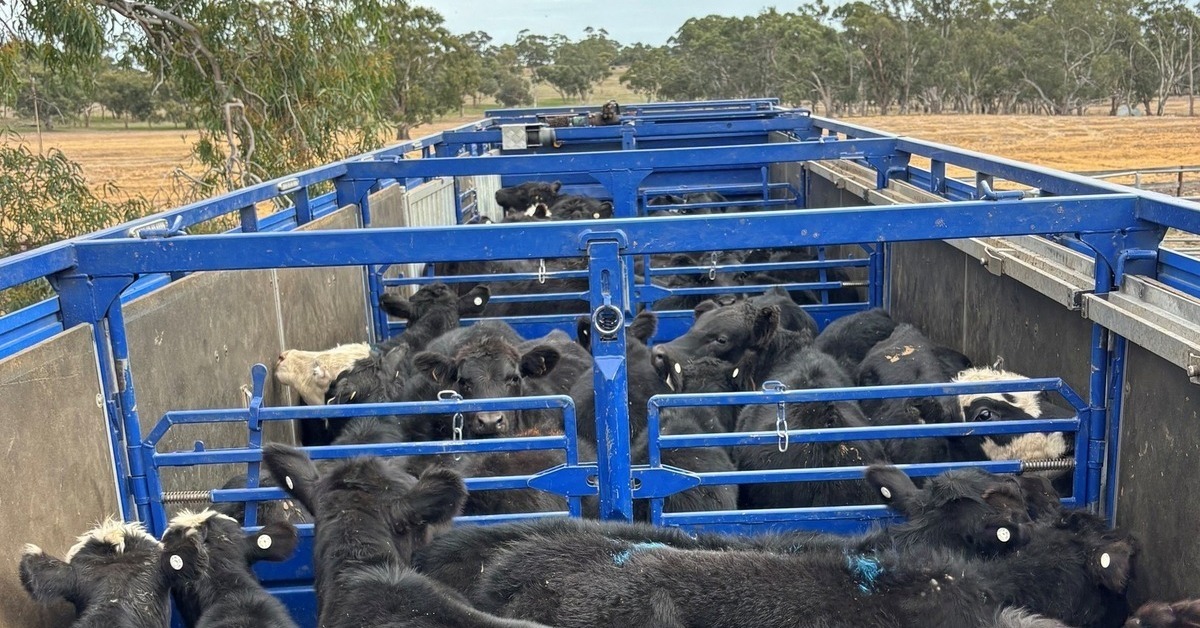
THE AUSTRALIAN cattle industry is making moves to strengthen its most important export market, Indonesia.
The Australian red meat and livestock industry has launched the Indonesia Live Cattle Industry Taskforce, a strategic advisory body designed to enhance collaboration with our northern neighbour.
A Meat & Livestock Australia (MLA) media release said the Taskforce would work closely with the Livestock Export Program (LEP), which is jointly funded by the MLA and LiveCorp, and administered by MLA. It focuses on improving animal health and welfare, biosecurity, supply chain efficiency and long-term market access.
Taskforce chair Greg Pankhurst, who has been appointed by MLA, said the initiative reflects a coordinated commitment to supporting both Australian industry and Indonesian partners.
“Indonesia is a vital partner for northern Australian cattle producers, while our cattle and beef help underpin both food security and the resilience of Indonesian supply chains,” Mr Pankhurst said.
Australia’s live cattle exports to Indonesia have continued to strengthen, with official Department of Agriculture, Fisheries and Forestry data showing the market accounted for the clear majority of national shipments over the past year.
Meat & Livestock Australia figures indicate 561,734 head were exported to Indonesia in FY2024–25, a 32% year‑on‑year increase and representing around 72% of Australia’s total live cattle trade. Monthly DAFF statistics show the momentum carried into 2026, with 57,749 head shipped in April alone, including more than 56,000 feeder cattle.
Industry analysts say improved Indonesian feedlot demand, easing northern supply constraints and stabilising prices have supported the rebound. Exporters expect volumes to remain firm heading into the dry‑season mustering period, though currency pressures and regulatory settings in Jakarta remain key variables for the trade.
According to Mr Pankhurst the Taskforce brought together experience, practical knowledge and strategic insight to help shape programs that benefit producers, exporters and Indonesian customers.
“This includes continued leadership in animal welfare, greater productivity in feedlots, stronger engagement with Indonesian government and industry and the long-term stability of the trade," he said.
Indonesia’s beef market relies on a combination of domestic production and imports, with around 19% of beef supplies produced from imported Australian bred cattle finished in Indonesian feedlots.
The media release said this provided direct employment and supports smallholder farmers who sell feed and other inputs, bolstering local communities.
Mr Pankhurst said Australia was a trusted supplier for Indonesian customers and strengthening this partnership is essential.
“The Taskforce will help MLA and LiveCorp ensure that programs align with Indonesia’s needs. Our priority is to ensure that investments through the LEP are well targeted, effective and backed by strong collaboration with industry," he said.
“It will provide strategic advice, engage with producers and exporters, review market challenges and support partnerships that improve welfare, commercial outcomes and community confidence, and monitor progress of LEP investments to identify future opportunities which benefit both countries.”
The Indonesia Live Cattle Industry Taskforce aims to bring together "a balanced group" of representatives from across the northern Australian cattle and the live export supply chain.