
-
Posted by Priyabrata Chowdhury & Sanjoy Paul
- |
-
9 April, 2026
It has been more than a month since the effective closure of the Strait of Hormuz, which carries about 20% of global oil and gas. Global energy supply chain needs have been severely impacted.
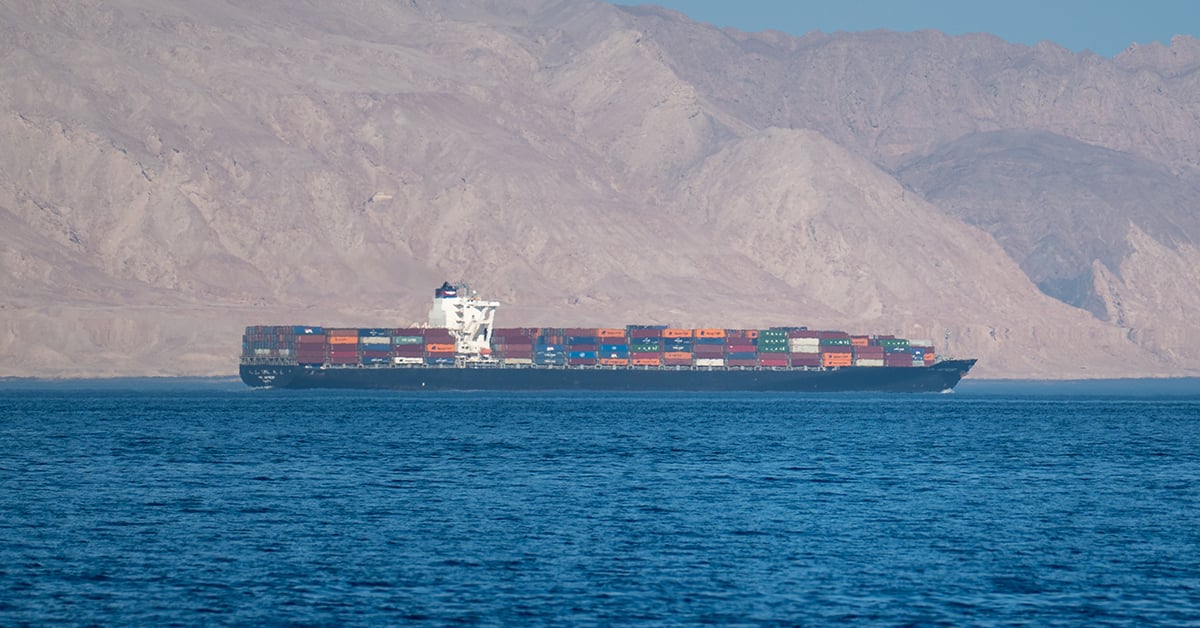
The concerns have been further elevated as analysts warn another critical shipping route through the Red Sea also could be disrupted. This Red Sea shipping concern was raised recently as Houthis have also entered the Middle East conflict by launching missiles towards Israel. The Houthis have a history of disrupting global trade, attacking commercial ships passing through Red Sea in 2023 and 2024.
Around 30% of global containerised trade transits the Red Sea. Thus, any shipping disruption, in addition to the current crisis at the Strait of Hormuz, could severely impact global shipping of many critical goods and dependent supply chains. The tensions in these two shipping corridors significantly threaten Australian trades, with many of our critical goods passing via these two maritime corridors.
Australia’s exports are threatened
Australia exports around 6.2% of its products to the Middle East using these two shipping corridors. Both the Strait of Hormuz and Red Sea shipping corridors are critical for exports, although the latter is probably more important in this regard. The Red Sea shipping corridor connecting through the Suez Canal is a major shipping route to access European markets.
Several valuable products, such as 54.3% of oil seeds, 15.2% of gold, 13.8% of barley, and 11.5% of copper ores, are exported via the Red Sea. On the other hand, 70.5% of Australian meat excluding beef, 38.4% aluminium ores and concentrates, 13.4% oil seeds, and 27% of barley are exported via the Strait of Hormuz. The simultaneous disruption in these two shipping corridors is therefore a significant threat to Australia’s exports.
Australia’s imports are also threatened
The disruptions threaten imports more severely than exports. Imports from Middle Eastern countries using these two shipping corridors are 12.9%, more than double the export share. Like exports, the Red Sea corridor is used more often for imports compared with the Strait of Hormuz.
Around 69.6% of Australia’s medicaments and a significant percentage of pharmaceutical products are imported through the Red Sea corridor. The disruption severely threatens Australia’s fertiliser supply, as 36% of our fertiliser passes through the Strait of Hormuz and 12% pass through the Red Sea. Different types of vehicles, household equipment, crude petroleum, vital chemicals, and measuring instruments are imported through either of these two shipping corridors.
Our domestic productions and households are impacted
The ripple effects of the disruptions in shipping corridors threaten to have a catastrophic consequence on Australia’s domestic production and consumption. Some of the imported key materials come through these routes and are vital for producing Australian goods and services. For example, the Strait of Hormuz disrupts Australia’s access to the key fertilisers and oils, which creates a genuine shortage of fertilisers and oils and drives up their prices.
This shortage significantly disrupts Australia’s ability to produce agricultural products, including fresh vegetables and fruits, barley, pulses, and oats. It is anticipated that this could also increase the prices of many essential food products for Australian households. Consequently, it may disrupt the country’s ability to export critical food products as Australia contributes heavily to the global food supply.
Disruption also occurs in other areas. Since the war started, many Australian meat processors have slowed export volumes, creating an oversupply in the local market. Should shipping disruptions continue, the possibility exists of wastage and the closure of meat processing companies.
How Australia can prepare
The outlook remains uncertain. It is unclear when the Strait of Hormuz will fully reopen. There is also a risk of further shipping disruption through the Red Sea. With all these uncertainties, Australia needs to prepare for a prolonged crisis.
It should explore alternative global shipping routes, such as via the Cape of Good Hope to connect with European countries and conduct economic analysis to assess their feasibility. It’s better to have a ‘plan B’. Businesses should seek to diversify sources for imports and new markets for exports.
Domestic capabilities also should be strengthened. This is especially important for critical goods such as oils, fertilisers, and medicines. For example, an improved local refinery capability, along with diversified crude oil sources, can help respond to the oil shortage more effectively. The mass adoption of renewable energies can ease some pressure on oil consumption, with savings passed to critical sectors including transport, agriculture and emergency services. Getting prepared and building resilient supply chains against future disruptions are the main lessons learned from the crisis.