
-
Posted by Allen Newton
- |
-
24 June, 2026
WESTERN Australia’s ports are heading into a period of structural change as new modelling from the Bankwest Curtin Economics Centre (BCEC) shows the state’s export mix will shift sharply during the next two decades, with implications for iron‑ore royalties, LNG exporters and the future freight task.
The WA’s Resources Sector in Transition report finds fossil‑fuel exports could fall from $39 billion today to around $11 billion by 2050 under an accelerated net‑zero scenario, while transition minerals and processed materials could exceed $100 billion in annual value.
For WA ports — particularly Port Hedland, Dampier, Fremantle and the emerging Kwinana industrial precinct — the BCEC modelling points to a long‑term shift in vessel mix, berth utilisation and landside logistics.
Iron ore remains the cornerstone of the Pilbara freight task, but its share of total export value declines across all scenarios. Meanwhile, higher‑value processed products, battery‑grade materials and rare‑earth concentrates are projected to grow strongly, increasing demand for container capacity, multi‑user bulk berths, common‑user storage and precinct‑level energy infrastructure.
The report notes that WA’s future competitiveness will depend on “value, not volume”, with downstream processing and industrial capability becoming central to export growth.
Iron ore currently delivers more than 80% of WA’s royalty revenue, and BCEC warns that the state’s fiscal position remains “highly exposed” to commodity cycles and Chinese demand.

Under all scenarios, crushed iron ore continues to generate large volumes, but its relative contribution to state revenue declines as the commodity mix changes. BCEC modelling shows that modest adjustments to royalty structures — including graduated rates for higher‑value processed products — could generate billions in additional long‑term revenue without discouraging downstream investment.
The report cautions that “today’s prosperity does not guarantee tomorrow’s revenues”, urging governments to plan for a future in which royalty receipts are more volatile and less dominant.
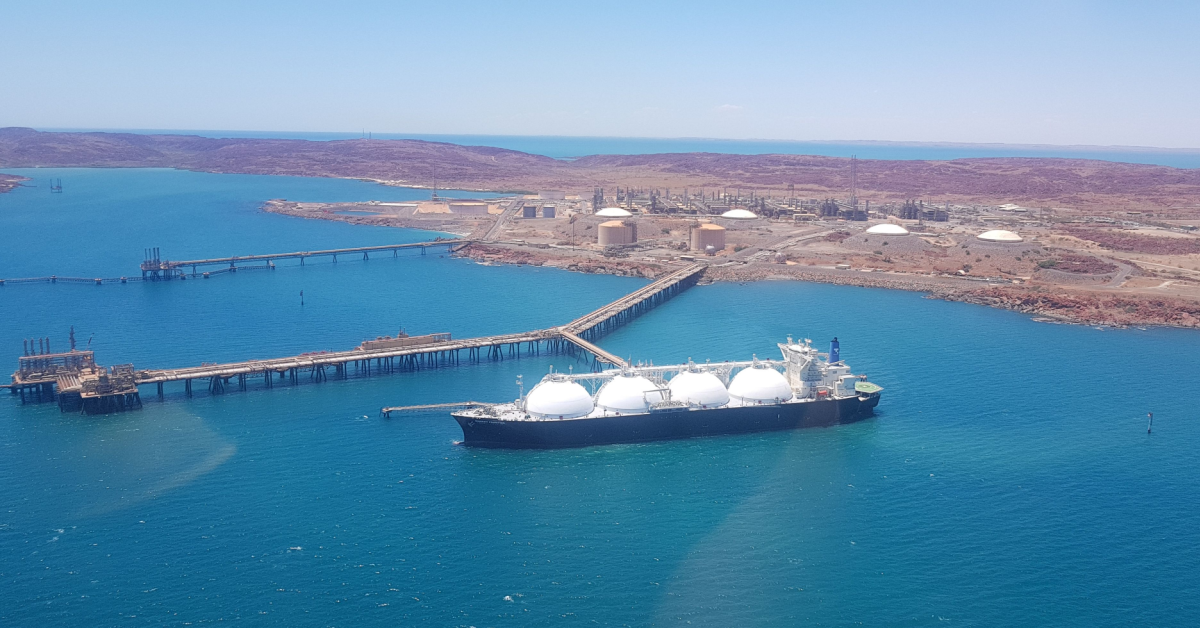
For LNG exporters operating through Dampier, Ashburton and the North West Shelf, the BCEC modelling highlights a widening gap between baseline and accelerated transition pathways.
While LNG remains a major export through the 2030s, the report identifies growing uncertainty around long‑term demand as global decarbonisation accelerates and competing jurisdictions expand supply.
The modelling shows fossil‑fuel export value falling sharply by 2050, raising questions about future throughput at LNG‑focused port terminals and the long‑term contribution of LNG to state and Commonwealth revenues, including PRRT and company tax.
Major undeveloped projects — such as Browse — carry “multibillion‑dollar implications” for future revenue streams, BCEC notes.
The strongest growth outlook lies in lithium, nickel, rare earths and battery‑grade materials, with BCEC projecting transition‑mineral value to more than triple by 2050.
For ports, this means m ore multi‑commodity bulk movements, increased containerised exports of processed materials, demand for renewable‑energy‑powered industrial precincts and greater emphasis on supply‑chain certainty for global OEMs.
The report argues WA is “exceptionally well placed” to become a trusted supplier of critical minerals and low‑emissions industrial products, provided the state invests in enabling infrastructure, skills, R&D, and common‑user processing hubs.
For the maritime and logistics sector, the BCEC report signals a freight transition already underway:
Bulk iron ore remains dominant, but its share of total export value declines, LNG faces long‑term demand risks, affecting future port throughput, critical minerals and processed products surge, reshaping port infrastructure needs and royalty exposure remains high, prompting calls for fiscal reform.
The report concludes that WA’s next phase of prosperity will depend on how effectively the state “converts resource wealth into enduring economic capability” — a shift that will be felt first and most visibly across the state’s ports and export corridors.