Challenge for sorghum exporters as China lifts US tariff
-
Posted by David Sexton
- |
-
08 Dec, 2025
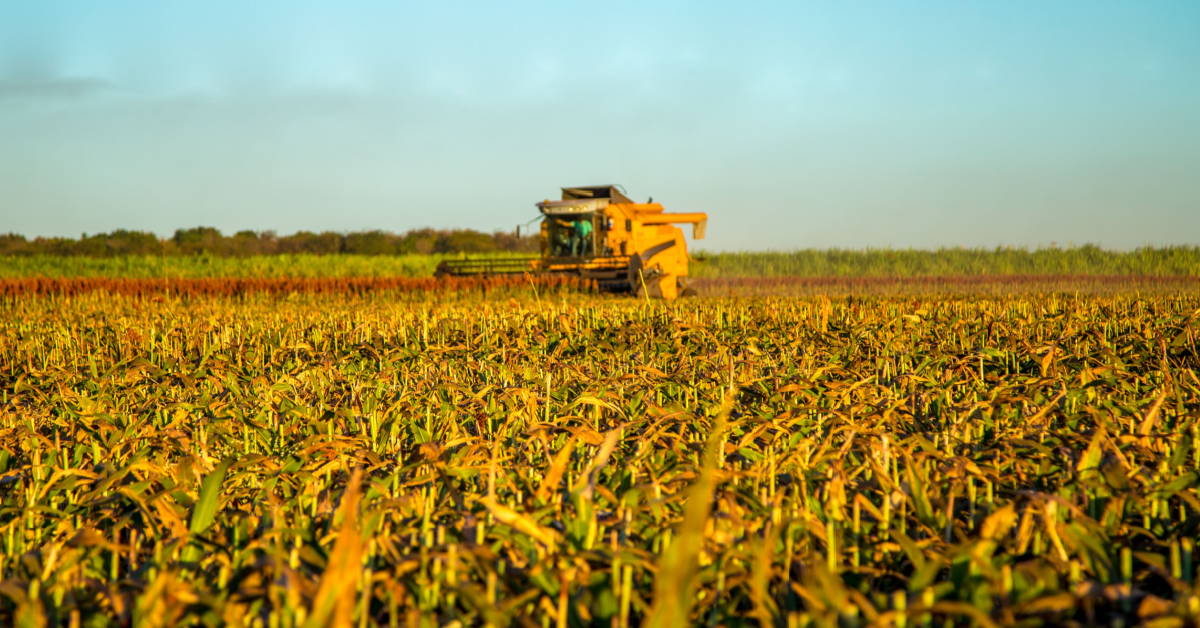
A DECISION by China to reopen its market to US sorghum may lead to “downward pressure” on volumes and prices of the same commodity from Australia, the Australian Bureau for Agricultural and Resource Economics and Sciences (ABARES) says.
According to ABARE, Australia sends 93% of its exportable sorghum volumes to the middle kingdom.
Retaliatory Chinese tariffs on US sorghum imports were introduced in March 2025.
This further strengthened strong Chinese import demand for Australian sorghum and supported Australian sorghum export values during 2025.
“The US is the world’s largest producer and exporter of sorghum, with most exports usually going to China, however export sales to China stopped once trade tensions escalated with total US sorghum exports falling 59% in 2024–25,” ABARES stated.
“It has recently been announced that China will suspend all retaliatory tariffs on US agricultural products and resume purchases of US sorghum.
“If significant purchases of US sorghum are made, this may put downward pressure Australian export volumes and prices.”
Sorghum is used globally for animal feed, human food, sweetener, beverages and biofuel. In Australia, it is typically grown on the Darling Downs region of Queensland, the Liverpool Plains in New South Wales and a smaller area around Kununurra in Western Australia.
ABARES recently released its commodity report for the 2025-26 December quarter, valuing the overall agricultural sector at $100bn.
Total Australian production of grains, oilseeds and pulses is forecast to rise by 8% to 70.7 million tonnes in 2025–26.
According to ABARES, winter crop production in northern New South Wales, Queensland and Western Australia is forecast to increase, remaining well above average, particularly in WA.
Australian pulse production is forecast to rise by 16% to 6.3 million tonnes with lower chickpea production in 2025–26 expected to be “more than offset” by record lentil production.
According to ABARES, Australia exported a record 2.1 million tonnes of chickpeas in 2024–25, with 70% of the volume going to India.
In May last year, India announced a tariff free period for Australian chickpea imports (a 66% tariff previously applied) to boost domestic supply.
“India’s domestic production was affected by poor seasonal conditions, resulting in high domestic prices,” ABARES stated.
“The increased demand for Australian exports resulted in chickpea prices increasing to more than $1000 a tonne, as exporters competed to secure supply from growers.”
Despite the lower rate, monthly chickpea export volumes to India have since fallen significantly, as have prices, as India’s import demand eases in line with better domestic production.