
-
Posted by David Sexton
- |
-
2 April, 2026
A RECORD result for non-coal at Newcastle highlights the strength of the port’s diversification strategy, chief executive Craig Carmody says.
Port of Newcastle reported more than 11.12 million tonnes of non-coal cargo in 2025, surpassing the previous record of 10.13 million tonnes in 2021.
The result was said to have been driven by a surge in key export commodities including wheat, along with growing volumes of project cargo supporting major renewable energy projects.
Mr Carmody said the result reinforced a long-term commitment to broadening their trade base.
“These record volumes are more than numbers – they reflect the strength of our partnerships, the commitment of our workforce, and the progress we’re making towards a more diversified and sustainable future for our port and our region,” he said.

Wheat exports increased 396% year-on-year to reach 2.9 million tonnes, buoyed by what was described as favourable seasonal conditions across northern cropping regions.
Exports of meals and grain to destinations including the UAE, Bangladesh, Japan, and Vietnam also grew 19% on 2024 volumes to more than one million tonnes.
Port of Newcastle handled more than 160 million tonnes of cargo in total, including more than149 million tonnes in coal.
“Coal continues to underpin a significant portion of our trade, providing energy security to our global customers,” Mr Carmody said. “Change doesn’t happen overnight and as markets like Asia continue to diversify, we remain a critical energy export gateway.”
The port recorded 2340 vessel visits in 2025, including 574 non-coal and nine cruise vessels.
“What many people may not realise is that the Port handles 25 different cargo types, from aluminium, cement, and fuels to fertiliser, steel, and project cargo, which are all helping to drive growth in diversified trade,” Mr Carmody said.
“We’ve seen particularly strong demand for the import and export of machinery and project cargo, with more than 431,000 tonnes moving through the port in 2025.”
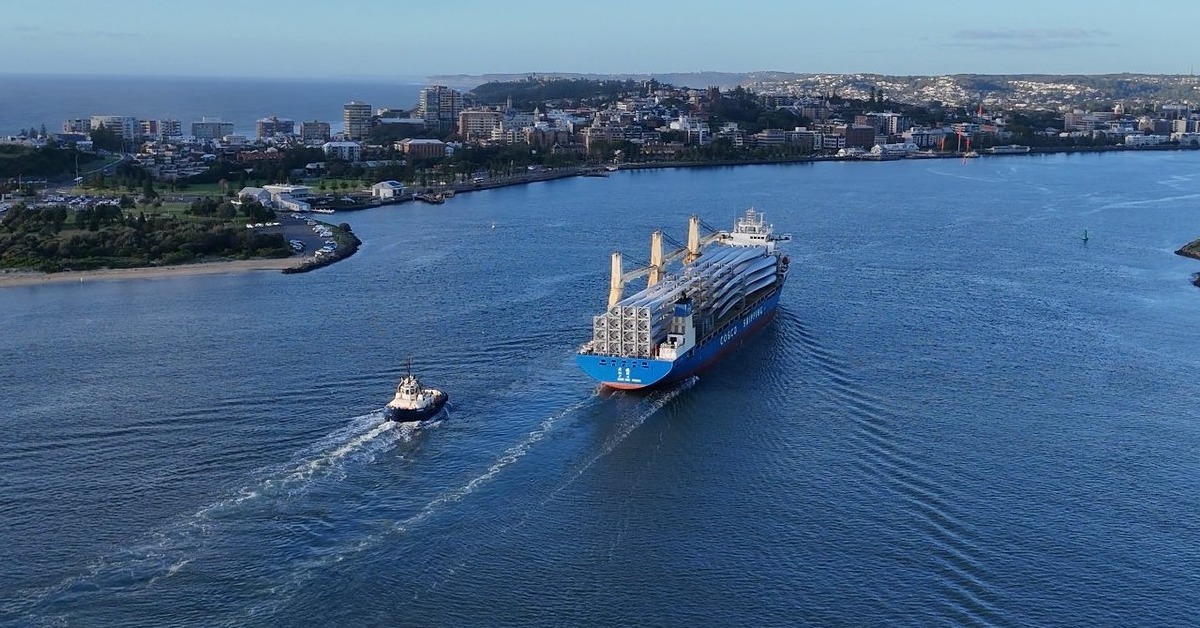
A major contributor was the arrival of wind turbine components for the Uungula Wind Farm within the Central-West Orana Renewable Energy Zone.
Mr Carmody said the record results underlined Newcastle’s “critical role” as a key logistics hub.
“The port continues to evolve as a critical gateway for Australia’s energy future,” he said.
“Over the next decade, this will not only contribute to the Port’s ongoing diversification but play an essential role in powering the nation’s transformation to cleaner energy.”