
-
Posted by Sanjoy Paul
- |
-
27 March, 2026
As the world is battling with a shortage of oil supply due to the closure of the Strait of Hormuz, in Australia, the flow-on effects reach far beyond fuel stations and motorists.
The consequences on its food supply chain are immediate and terrifying. Almost 80% of energy consumed by Australian farmers comes from diesel, with the fact that about 90% of our diesel is imported. A shortage of oils has a devastating impact upon our agricultural operations. Tractors, harvesters, and irrigation systems rely heavily upon oils. The foundation of our food production could be heavily disturbed if any of these systems becomes inoperational.
The consequences of oil shortages do not stop here. Many modern fertilisers are petroleum-based. About 90% of Australia’s nitrogen-based urea is imported, of which more than half comes from the Middle East.
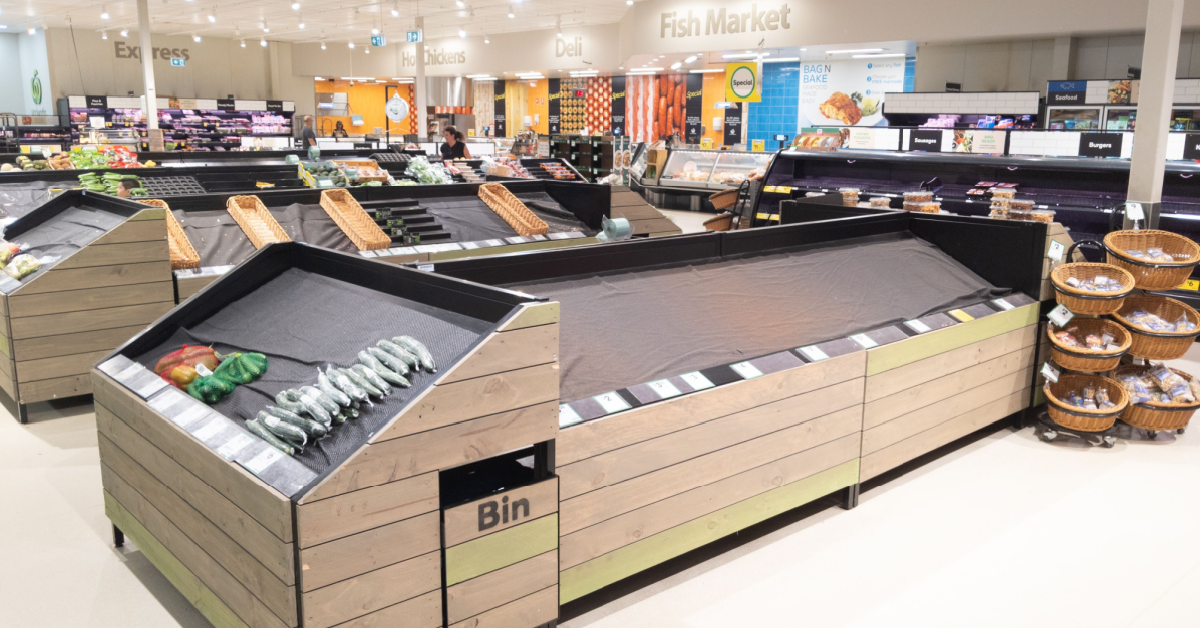
If the fertiliser supply runs low due to the disruption and export restrictions from other countries, including China, it will result in lower crop yields. Lower crops could further result in food shortages. The flow-on effects are extremely adverse. If insufficient crops are produced, supermarket and food shelves soon could be empty.
Transport and logistics, vital for getting food from farm to plate, are equally at risk. Almost 90% of fresh produce is transported on trucks, which are heavily dependent upon diesel to move produce across the country. More than 99% of Australian freight trucks run on diesel. Oil shortages make it harder to keep these vehicles on the road. If the oil supply becomes insufficient, deliveries soon will be slow, and the reliability of Australia’s food transport will be put to the test. It could further lead to wastage of food if not transported on time, as most of the fresh produce is perishable.
Even when food reaches the stores, the impact of increased oil prices is inevitable. The increased transport and fertiliser costs will be reflected in the final price. Consumers will notice the price difference at the store checkout, as groceries and food products stretch household budgets.
Eye-watering consequences
The long-term consequences of oil shortages are eye-watering. If agriculture, transport, and logistics are all impacted by chronic oil shortages, our future cropping seasons could hang in the balance. Farmers could be forced to scale back, leading not only to higher food prices but food unavailability. Over time, the ongoing oil shortages could force farmers and businesses to rethink what to grow and how to distribute food products. It will be a determinant of what food items will be available on our dinner tables and at what cost.
In summary, the consequences of oil shortages are not limited to fuel or fertiliser. It is about the security of our food production and supply and the well-being of every Australian. As the situation progresses, it is clear that our ways of living could be affected. That’s why it is more important than ever to find alternative solutions and strategies that protect our future food production, its supply chains, and keep fed our communities.
Addressing the challenges
Several short, medium, and long-term strategies can be considered.
In the immediate term, working from home and the use of public transport are options to save on oil consumption that could be diverted to farmers in regional areas. In the medium to longer term, the creation of a strategic oil reserve can serve as a safety stock against supply disruptions.
Additionally, diversifying supply sources is important to ensure that if one route is disrupted, alternatives are available to maintain the flow. Another key long-term strategy is to expand local refinery capabilities. By improving the oil refining capacity, Australia can reduce its dependence on imported refined oils and respond more effectively to global supply disruptions.
Looking further ahead, the adoption of renewable energies represents an effective and sustainable solution to substitute oil-based energy systems. By transitioning towards renewable energy sources and adopting them for agriculture, transportation, and logistics operations, Australia can reduce its reliance on oil in the future. This transition will help Australia’s food production and its supply chain to become more secure against future disruptions.