Port operations resume after cyclone hits North Queensland
-
Posted by David Sexton
- |
-
12 Jan, 2026
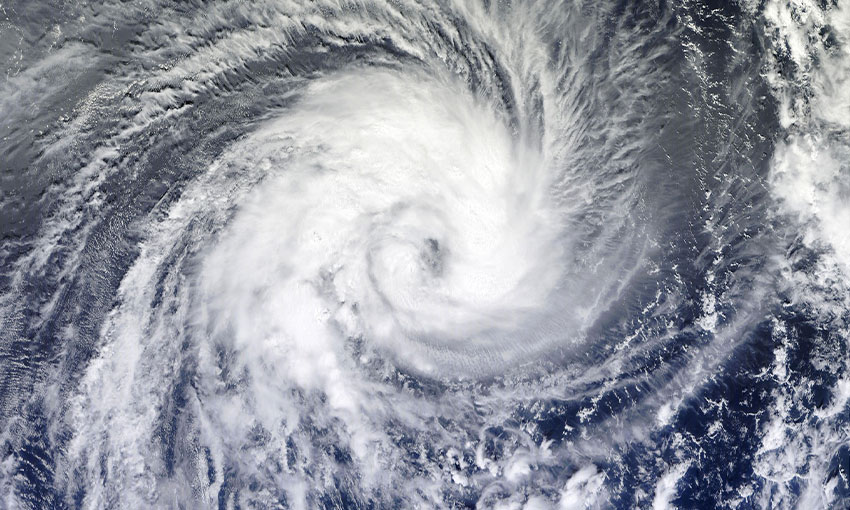
PORT and maritime operations have resumed across northern Queensland after being impacted by Tropical Cyclone Koji over the weekend.
A spokesperson for Maritime Safety Queensland said all Queensland ports had now re-opened. In particular:
- Port of Mackay reverted to status ALL CLEAR as at 0800 Monday 12 January.
- Whitsundays reverted to status ALL CLEAR at 0940 Monday 12 January.
"Maritime Safety Queensland continues to monitor the ex-TC Koji severe weather event, and its potential impacts across Queensland’s coastline and waterways," the spokesperson said.
"MSQ will continue making waterway assessments of impacts to navigation aids such as buoys and beacons, obstructions to navigation channels and stranded vessels as conditions allow."
A Port of Townsville spokesperson said operations had resumed following a brief closure in preparation for the cyclone.
“The port returned to Condition Green at 7am on Sunday 11 January after the Townsville area was removed from the warning zone, with the port officially opening at 8am,” the spokesperson said.
The regional harbour master had closed the ports of Townsville and Lucinda as a precaution at 6pm on Thursday 8 January.
“Shipping operations resumed early on Sunday afternoon. Some supply chains remain disrupted with heavy rain and flooding continuing to impact the North-West corridor,” the spokesperson said.
The regional harbour master also closed the port at Cairns, and both Great Barrier Reef pilot services ceased operations in the Torres Strait.
Koji was downgraded to a tropical low on Sunday, however, while the risk of strong winds may have diminished, significant rainfall and flooding is still possible.
Premier David Crisafulli told Nine Media report on Monday of the risk of some “really significant rainfall in patches”.
Flooding has already contributed to significant stock losses in parts of Queensland and associated economic impact.
According to WeatherZone analysis from late last year, conditions in northern Australia are expected to favour a near to slightly above average number of tropical cyclones in the region across 2025-26.
“There should also be a higher-than-average proportion of severe tropical cyclones, meaning that once systems do form, they have an increased risk of intensifying rapidly,” WeatherZone reported.