-
Posted by David Sexton
- |
-
07 Oct, 2026
KEY Australian ports in Victoria and New South Wales have been praised for their efforts towards sustainability, as part of the 2026 GRESB Infrastructure Asset Assessment.
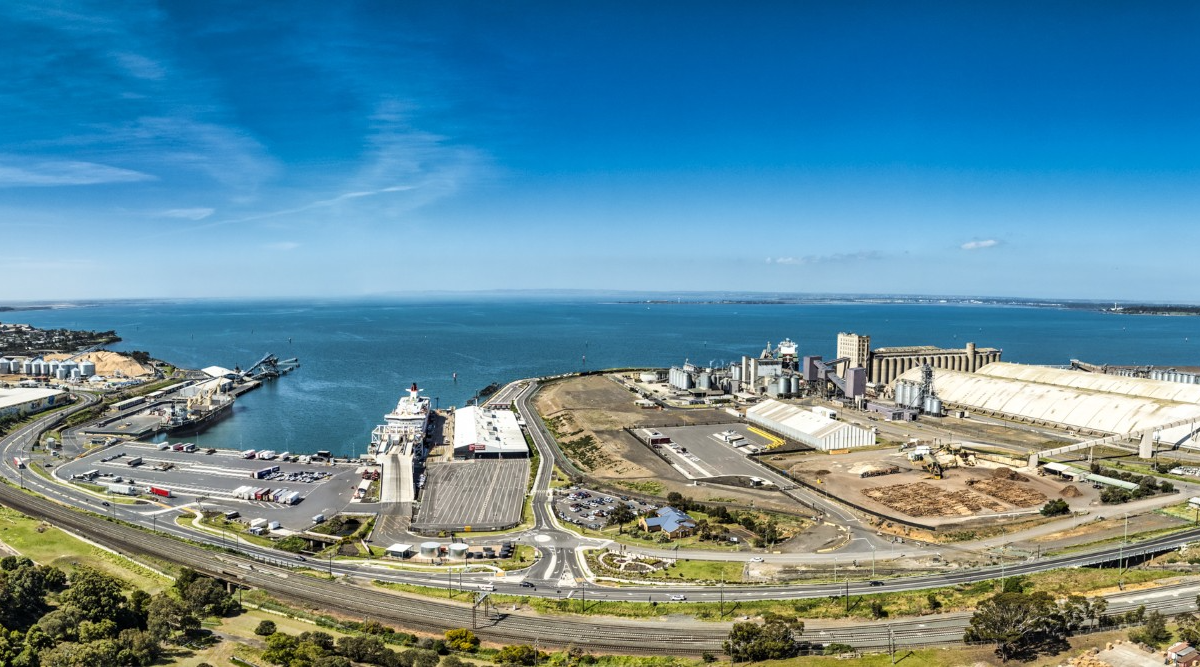
GeelongPort recorded 100 out of 100 and secured its sixth consecutive 5-Star GRESB Rating.
Geelong also ranked first among its Bulk Goods Port peers and retained its status as a GRESB Sector Leader.
The result was said to recognise GeelongPort’s sustained leadership in environmental, social and governance performance, and the discipline with which sustainability is embedded across its governance, operations and long-term planning.
GeelongPort chief executive Brett Winter said achieving a score of 100/100 was “a significant accomplishment”.
“Achieving it two years in a row is a powerful statement about the calibre of our people and the standards we set for ourselves.
"This result confirms GeelongPort is not only meeting global best practice, but helping define it. As a regional port, competing and succeeding on the world stage is something every member of our team can be proud of,"he said.
"Our ambition is to be Australia's most sustainable port. Maintaining a GRESB score of 100 demonstrates we are delivering on that commitment and continuing to raise the bar."
Port of Melbourne was again recognised as a GRESB Sector Leader, marking its fourth consecutive year in a leading position.
Port of Melbourne chief executive Saul Cannon said they were “proud to have retained our 5-star GRESB rating for a fifth consecutive year and achieved the maximum score of 100 points for the third year running”.
“This sustained result reflects the commitment of our people and the value of strong partnerships across our operations,” Mr Cannon said.
“We will continue to pursue net zero by 2030 for our Scope 1 and 2 emissions, while working with stakeholders and industry to drive practical progress across the port sector.”

The 2026 result was said to build upon Port of Melbourne’s continued sustainability progress, including the following recent milestones:
• Continuing on our pathway to Net Zero by 2030, with PoM already having achieved a 60% reduction since 2022.
• Renewing PoM’s ISO Compliance of its Integrated Management Systems with certifications for Quality, Environment, Occupational Health and Safety, and Asset Management
• Achieving “Tier 2 Advanced Workplace” status in the Mental Health First Aid Australia Workplace Recognition Program, reflecting a range of workplace mental health training and initiatives
Port of Newcastle, meanwhile, received an overall score of 99.6.
Key details included:
• Maintained a 5-star rating for the sixth-straight year
• Ranked 1/569 in Management Score
• Ranked 2/7 in the peer group ranking Bulk Goods Port
• Ranked 4/23 in the Transport: Port Companies sector (globally), which is one place higher than in 2025.
“Port of Newcastle continues to be a global leader in sustainability not because we talk about it, but because of the way that it has been embedded into our business and our culture,” chief executive Craig Carmody said.
“We are proud to have retained our 5-star rating for a sixth consecutive year and to have been ranked first globally for our Management Score.
“When it comes to sustainability, we know that there is always more to do, and we will keep looking for opportunities to improve.”
GRESB is the world’s leading environmental, social and governance benchmark for infrastructure investments.
It is used by more than 850 infrastructure funds and assets globally, representing more than $1.6 trillion in infrastructure investment.