-
Posted by David Sexton
- |
-
18 Sep, 2026
PRACTICAL realities of freight decarbonisation were explored at the VTA Alternative Fuel Summit 2026 in Melbourne this week, focusing on the technologies, fuels and infrastructure that will impact Australia's transport sector.
Hosted by the Victorian Transport Association (VTA), and held at MegaTrans 2026, the summit featured presentations and panel discussions covering electric and hydrogen vehicle pathways, fleet transition economics, infrastructure requirements, emissions management, alternative fuels, investment certainty and emerging transport technologies.
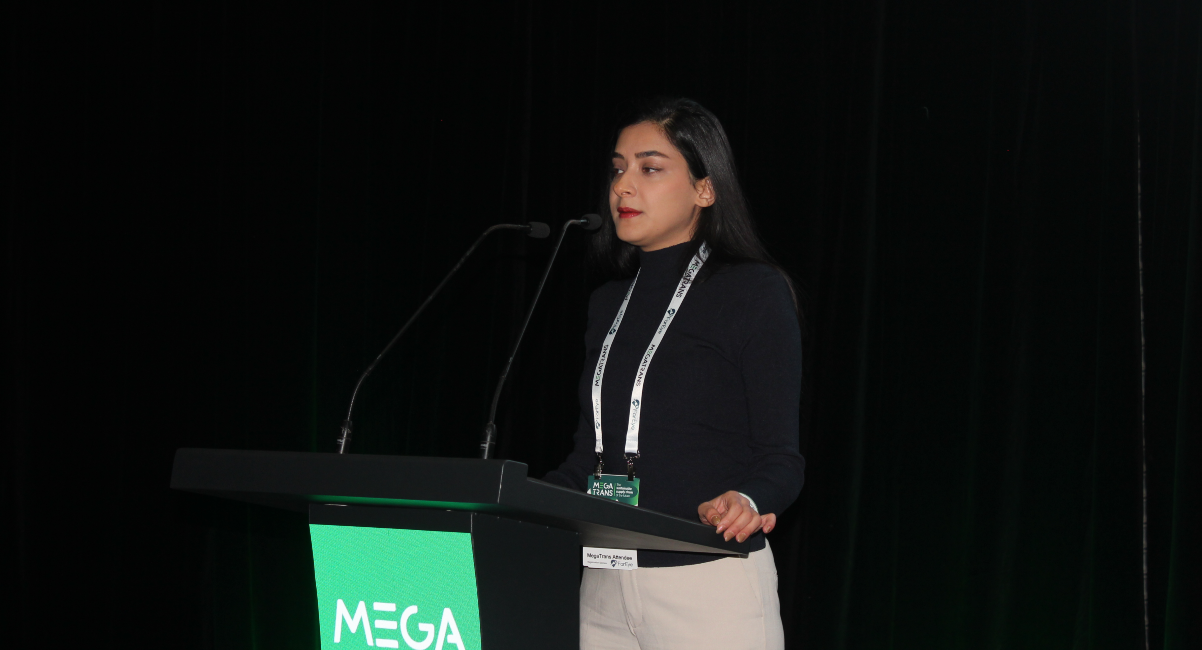
Opening the summit, master of ceremonies and VTA commercial manager David Ritchie said the conversation around alternative fuels had fundamentally shifted.
"What was once a discussion about future possibilities has become a discussion about present-day business decisions,” he said.
“Rising fuel costs, customer expectations and technological advancement were accelerating industry interest in alternative fuels and lower-emission technologies.
For many businesses, decarbonisation is no longer simply an environmental discussion. It is increasingly becoming an economic one,” he said.
VTA chief executive Peter Anderson said any transition pathway must also support a productive and commercially viable transport sector.
"Sustainability only works when it is sustainable in every sense of the word. Good intentions alone do not buy trucks,” he said.
“They do not build depots. And they do not pay wages. Any transition pathway must support a viable and productive freight industry."

Throughout the day, speakers explored the challenges facing the heavy vehicle sector.
Discussions highlighted that no single technology would meet the needs of every freight task and that multiple solutions would be required across different applications.
“The VTA is committed to providing members with evidence-based information rather than advocating for a single technology outcome,” Mr Anderson said.
"Our role is not to promote a single technology or prescribe a particular pathway. Our role is to help members understand their options.”
A key focus of the summit was the importance of practical, real-world experience.
David Ritchie highlighted the Victorian Electric Heavy Vehicle Trial, delivered by the VTA in partnership with the Victorian government, as an example of moving the industry conversation from theory to practice.
Delegates also heard how electric vehicles, renewable diesel, biodiesel, hydrogen and other emerging technologies could play complementary roles in reducing emissions across the freight sector, depending on operational requirements and fleet profiles.
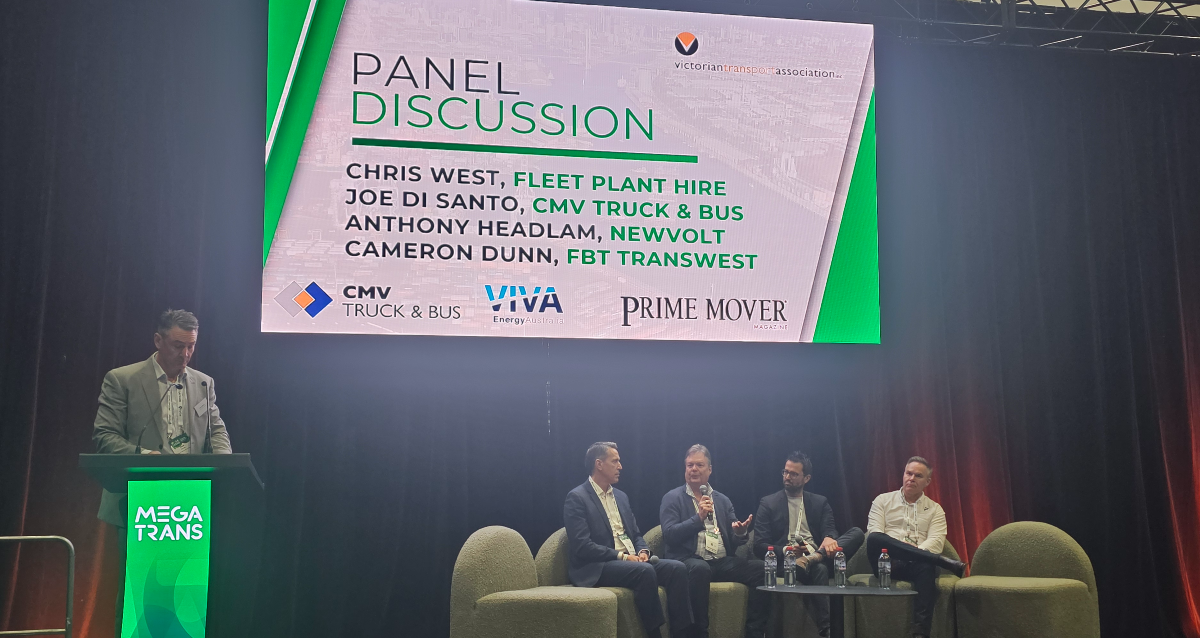
Mr Ritchie said one of the industry's greatest challenges remained ensuring infrastructure investment kept pace with technology adoption.
He said industry collaboration would be critical to achieving long-term emissions reductions while maintaining freight productivity.
"The transition to lower-emission freight cannot simply be mandated. It must be supported. It must be practical. And it must recognise the operational realities that transport operators face every day."
Concluding the Summit, Mr Ritchie said the question was no longer whether change was coming.
“The question is how we prepare for it,” he said. “Today's Summit was about learning from experts, understanding the opportunities, recognising the challenges, and developing practical pathways that allow businesses to reduce emissions while continuing to deliver the freight task that underpins the Australian economy.”