
-
Posted by David Sexton
- |
-
03 Mar, 2026
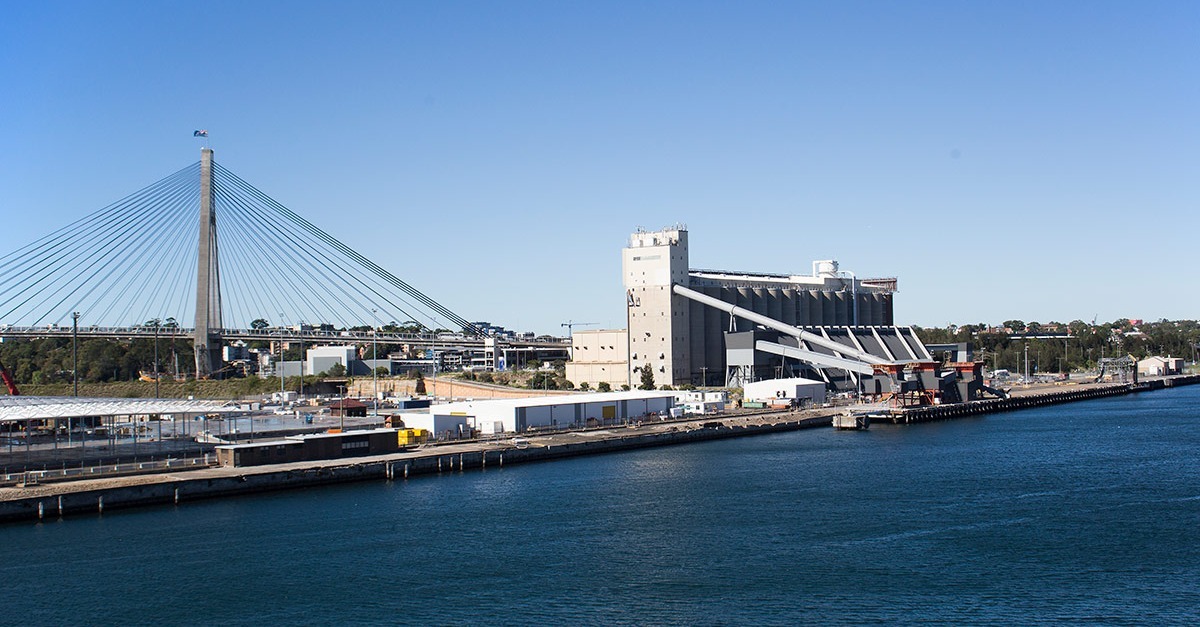
BULK operations are to end on Glebe Island no later than 2030, as the government of New South Wales opts to prioritise housing over industry.
The decision means Port Kembla in the Illawarra will now form the basis of bulk operations in the greater Sydney region.
In a joint ministerial statement this week, the government announced a $270m commitment to improve road connections around Port Kembla and to investigate increased rail freight capacity.
Features of the government’s plan are:
-
Consolidation of working harbour operations, mostly into White Bay, ensuring the precinct will continue to provide critical services for the harbour, including boat maintenance and marine construction and as a base for tugboats.
-
A new staging area to be established in White Bay, securing the future of the New Year’s Eve fireworks, and other cultural events.
-
The cruise terminal is to be retained in its current location.
-
Deepwater berths to be retained to preserve Sydney Harbour’s strategic operational capability, and the removal of the existing 1970s industrial silos.
Highlighting the plan’s benefits, Premier Chris Minns acknowledged some industry grief.
"We understand that not everyone will welcome change, but cities don’t stand still," Mr Minns said.
“If Sydney is going to remain a place young people and families can afford to live in, we have to use well-located land better and plan for the future.”
State transport minister John Graham said the plan struck "the right balance of building thousands of well-located homes with world-class transport, whilst maintaining a functioning working harbour”.

Maritime Industry Australia chief executive Angela Gillham said MIAL, together with other members of the Sydney Working Port Coalition, “is disappointed with this decision from the Minns government”.
“A working port within a major city is an incredibly valuable and efficient supply chain asset, able to deliver high volumes of materials close to the point of use—and once it’s gone, it’s gone,” Ms Gillham said.
“We remain unconvinced that this is the right decision for Sydney in terms of costs, environmental sustainability and long-term supply chain resilience.”
CSL Australia (a fellow member of the Sydney Working Port Coalition) government relations and external affairs director, Emily Pointon, said they were “extremely disappointed in the decision by the NSW government to close Sydney Harbour’s last remaining port facility for the discharge of bulk cargo”.
“This is a blow to efficient, cost effective and environmentally sustainable supply chains delivering cement, gypsum and sugar into the heart of Sydney,” Ms Pointon said.
“The ramifications of this decision are vast, including increased cost of building products and construction materials, increased carbon emissions, road congestion and costs to relocate existing shoreside facilities.
“This is a huge loss to Sydney’s maritime heritage and culture that spans over 200 years.”
Ports Australia chief executive Mike Gallacher said while no one wanted to see port land repurposed, “I fully appreciate the pressures on government to try to look at what land is available to meet the demands of the community wanting housing”.
Mr Gallacher said the supply chain was resilient and he was confident challenges could be overcome and other ports would be viable bulk options in the long term.
Read DCN's The Beacon articles about Glebe Island: