

-
Posted by David Sexton
- |
-
19 June, 2026
GOVERNOR of New South Wales Margaret Beazley delivered a keynote address at the Mission to Seafarers Sydney Welfare luncheon on Friday (19 June), reflecting upon challenges experienced by mariners working far from home.
The lunch, held at Parliament House, also saw the announcement of $1.5m from the Seafarer Welfare Fund, the money being directed to a range of important charities.
Speaking to the gathering, Her Excellency reflected on the 145th anniversary of the Sydney Mission which was founded in 1881.
“Today, [the Sydney Mission] is one of the largest seaport welfare organisations in the world.”
She reflected upon change in ships, ports and the world itself, but that global trade was still dependent on upon shipping.
“I ask myself this question: when did I walk into a supermarket and think to myself, most of these goods have been brought here by ship, from seafarers working, again as we’ve heard, sometimes three quarters of the year away from their home.”
Sydney Mission chief executive Clayton Strong said 99% of NSW freight was moved by sea, “so seafarers remain key to us all”.
“Your presence today is a comforting sign that seafarers are recognised by us as key, when they are mostly invisible to the nation,” he said.
Seven NSW charities and not-for-profits have been named recipients of the Seafarer Welfare Fund, which has reached a $1.5 million milestone in its third year supporting frontline services for seafarers powering the State’s trade, with the announcement made today at the annual Mission to Seafarers Parliamentary Lunch.
Marking the halfway point of the five-year, $2.5 million agreement between Port Authority of NSW, NSW Ports and Port of Newcastle, the Seafarer Welfare Fund provides long-term support for services, projects and programs for the more than 400,000 seafarers visiting NSW.
This includes access to critical communication services, transport, accommodation, recreation, mental health and wellbeing support, and pastoral care.

The 2026 recipients are Mission to Seafarers Eden, Mission to Seafarers Port Kembla, Mission to Seafarers Sydney, Apostleship of the Sea Sydney (Stella Maris), Tas Bull Seafarers Foundation, Hunter Workers Rehabilitation and Counselling Service, and Mission to Seafarers Newcastle.
Port Authority of NSW chief executive John McKenna said global conflicts were increasing pressure on seafarers, reinforcing the need for strong welfare support when they arrive in port.
“With 99% of NSW trade moved by sea, seafarers are the unseen engine of our economy - keeping goods flowing to and from businesses and homes every day,” Mr McKenna said.
“The conflict in the Middle East is adding further strain on seafarers and the shipping industry, making access to reliable care and support more important than ever.”
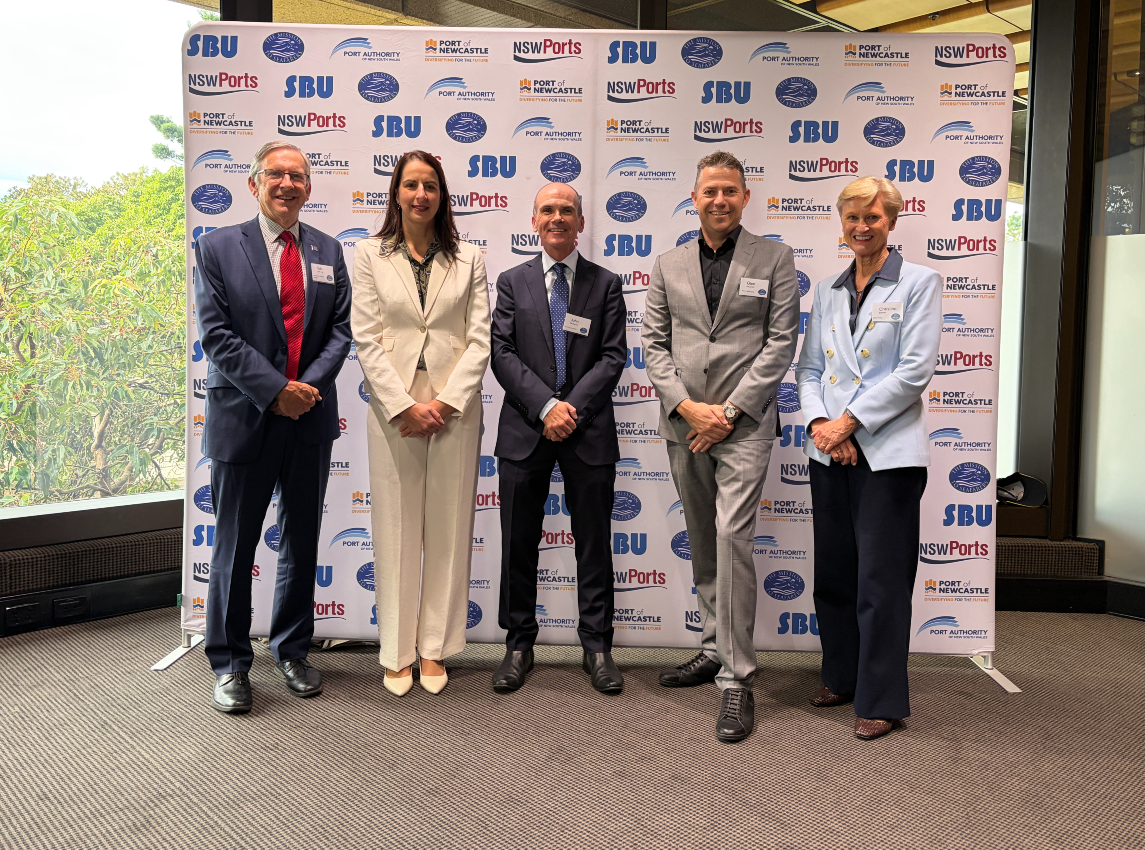
NSW Ports chief executive Marika Calfas said supply chains relied upon the essential contribution of seafarers.
“In recognition of their role, we partner with organisations who make a difference to the well-being of seafarers when they arrive in port.
“We made a five-year commitment to the Seafarer Welfare Fund in 2024 to provide longer-term certainty of funding and resources to enable a number of organisations to deliver practical and essential services.”
Ms Calfas said since the Seafarer Welfare Fund began in 2024, one of this year’s recipients, Mission to Seafarers Sydney, had reported an increase in the ship visits it conducts yearly – with more than 808 ship visits in 2025, which was up from over 600 in 2024 and 370 in 2023.
Port of Newcastle chief executive Craig Carmody said the Seafarer Welfare Fund was delivering practical support.
"Through the Seafarers Welfare Fund, we are ensuring seafarers have access to timely and trusted support,” Mr Carmody said.
"It's a practical demonstration of how the industry can work together to set an appropriate standard for the way we care for seafarers when they dock in NSW."
Funding from the third round is to support frontline services including operational expenses, transportation, chaplaincy and pastoral care, and telecommunications for seafarers including mobile SIM cards and WiFi units.