-
Posted by David Sexton
- |
-
05 Mar, 2026
A STRATEGIC fleet and investment in Australian shipping should be government priorities in the wake of the latest round of hostilities in the Middle East, Maritime Industry Australia says.
The industry group says instability in the Middle East is “a stark reminder” of Australia’s vulnerability to global supply chain disruptions.
DCN has reported this week about the risks this conflict poses for the Australian economy largely in terms of higher fuel prices.
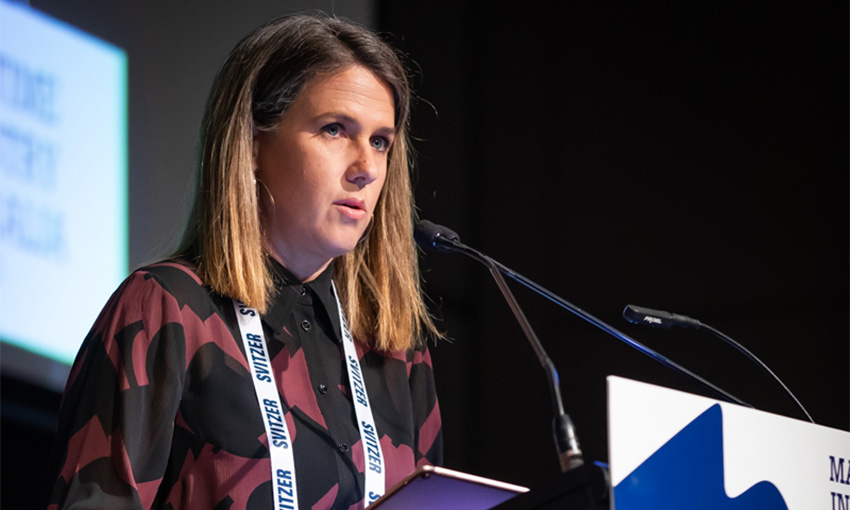
MIAL chief executive Angela Gillham said building Australia’s sovereign commercial maritime capability, in terms of skills and assets, was essential to ensuring national resilience in a changing global environment.
“MIAL continues to advocate for policy reform that supports the development, growth and sustainability of sovereign commercial maritime capability," Ms Gillham said.
"The geostrategic environment increases in complexity daily and Australia must be in a stronger position to secure our essential supply lines and provide civil capacity to support the activities of our defence forces.
“From over 100 ships 50 years ago, Australia now has only 9 large ships under the Australian flag and zero ships that trade internationally.
“This is important, because our large island at the end of the global supply chain currently has virtually no strategic control over its critical supply lines.”
Ms Gillham said federal government “words of support” for growing Australian sovereign maritime capability were welcome, “but after four years in power, and in an increasingly tense geopolitical environment, to date there has been no demonstrable progress”.
“MIAL calls on the Australian Government to prioritise reforms that attract investment into our sovereign shipping industry and expedite progress on the strategic fleet pilot project as a matter of urgency,” she said.
The Maritime Union of Australia also called on the federal government to "act decisively and urgently".
The union said fuel sovereignty was more than an "abstract policy debate".
“The closure of the Strait of Hormuz during the recent attacks on Iran is a stark warning of the volatility of Australia’s access to global fuel supply chains,” said MUA national secretary Jake Field.
“We mustn’t gamble our economic stability on uninterrupted access to foreign fuel markets. We cannot assume that geopolitical tensions will always resolve before our reserves run dry,” he said.
See below for coverage of how the Middle East conflict is likely to impact Australian freight and logistics: