-
Posted by Manny Fest
- |
-
11 November, 2025
ON 17 October, the International Maritime Organization’s (IMO) Marine Environment Protection Committee (MEPC) announced a twelve-month delay in adopting its much-anticipated net-zero framework.
The decision has attracted criticism from environmental and industry groups, including the Clean Shipping Coalition and the International Chamber of Shipping, which had urged the IMO to maintain momentum toward decarbonising the maritime sector.
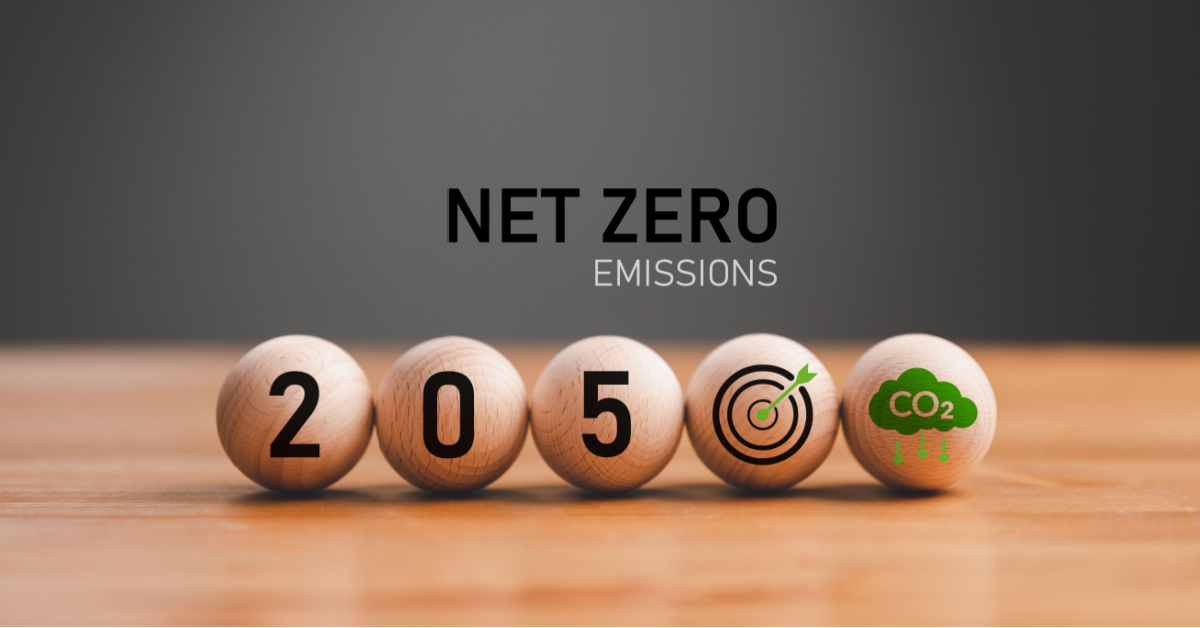
This disappointment is understandable. The IMO’s strategy to achieve net-zero global emissions by 2050 underpins much of the industry’s decarbonisation efforts. Yet, the committee faces significant headwinds ranging from political pressure from the U.S. government, to concerns about market readiness and the need for fair, globally applicable standards. The delay underscores a broader truth: meeting the 2050 net-zero target will require coordinated commitment from governments, shipping companies, cargo owners and consumers alike.
The postponement also comes against a backdrop of deepening geopolitical and economic tensions. Trade disputes among major economies including the United States, China and the European Union have disrupted supply chains through tariffs, reciprocal port fees and shifting global alliances. These developments have forced companies to reconfigure logistics networks, raising operational costs that ultimately trickle down to consumers through higher prices.

In this context, the idea of a global carbon pricing system for shipping does seem increasingly relevant. With the IMO framework on hold, attention is shifting toward the European Union’s Maritime Emissions Trading Scheme (ETS), which requires shipping companies to monitor, report and pay for their greenhouse gas emissions. The EU’s approach may offer a commercial pathway for compliance while keeping pressure on the industry to accelerate decarbonisation.
Meanwhile, the sector continues to advance its fleet modernisation efforts. According to Alphaliner data, as of October 2025, about 72% of new vessel orders are designed to operate on alternative fuels which is a clear shift away from conventional fuel use among larger ships. While this transition helps mitigate environmental and regulatory risks, it also introduces new challenges. Compliance with diverse regional regulations, limited availability of zero-and near-zero-emission fuels, and the need for supporting infrastructure development are all likely to increase costs across the supply chain, adding further inflationary pressures.
Despite these challenges, momentum continues to build. The Getting to Zero Coalition reported more than 60 green shipping corridor initiatives worldwide at the end of 2024, providing testbeds for regulatory, commercial and operational innovation. These initiatives could help create clearer pathways for adopting alternative fuel technologies and achieving net-zero emissions across the maritime sector by 2050.
While the industry has made notable progress through decades of negotiation toward a comprehensive strategic framework, sustained collaboration and policy alignment will be essential, as the environmental and economic costs of inaction far outweigh the challenges of transition. The IMO’s twelve-month pause, therefore, is not merely a setback, rather an opportunity to come together and pave a way forward. The coming year will be crucial for refining the framework, balancing political and commercial realities, and ensuring that the maritime industry, which is responsible for more than 80% of global trade, charts a credible and equitable course toward a net-zero future.